Banff National Park With Kids
Banff with kids is unforgettable - easy trails, wildlife sightings, and huge mountain views. Ages 5-12 are perfect for the experience.
For families, the best paid day is the one that fits the youngest child’s stamina, seating needs, and tolerance for a long schedule. Match One Guided Day to Your Family
Last updated: April 29, 2026
Your Experience Plan: Start with the short wildlife drive for an easier day; compare the gondola, sleigh ride, and lake tour only after checking age and equipment constraints.
Banff With Kids: Quick Facts
| Park entry for kids | Free for youth 17 and under, always |
| Discovery Pass (family/group) | $167.70 for up to 7 people in one vehicle – Verified March 2026 |
| Best ages | 5-12 sweet spot; toddlers very doable with carrier; teens love it |
| Best family hike | Johnston Canyon Lower Falls (2.7 km RT, catwalks, waterfalls, cave) |
| Best family hotel | Douglas Fir Resort (indoor waterslides, kitchen, free Roam passes) |
| Bear spray | Required on all trails; rent ~$10-15/day or buy ~$40-60 |
| Gondola for kids (6-15) | $37 adult; under 6 free; Junior Explorer Cruise available |
| Canada Strong Pass | Free park entry for everyone June 19 – September 7, 2026 |
| Campground evening programs | Free Parks Canada interpretive shows at Tunnel Mountain + Johnston Canyon campgrounds, June-August |
Prices verified March 2026. All amounts in Canadian dollars (CAD).
Is Banff National Park Good For Families With Kids?
 Yes, Banff is one of the best national parks in North America for families. The trails range from stroller-flat to genuinely challenging, the wildlife encounters are real and memorable, and the scenery requires no qualifying statement. Families with children of all ages visit successfully every year. The key variables are planning, realistic daily distances, and building in enough buffer for the unexpected.
The first thing we tell families is to stop worrying about whether Banff is appropriate and start thinking about how to pace it. The park has been welcoming children since it was established in 1885. Johnston Canyon has wooden catwalks over rushing water that kids find genuinely thrilling. The Banff Gondola summit has ground squirrels that will eat out of your hand if you let them, which Parks Canada would prefer you didn’t but understands why you might be tempted. Moraine Lake looks like someone turned up the colour saturation on the entire world, and children react exactly the way you’d hope they would when they first see it.
The honest challenge isn’t whether Banff works for kids. It’s that adults often try to do too much. A day hike that takes a couple without kids three hours can take a family of four with a seven-year-old most of the day. That’s fine. The difference is in the planning: choose two things per day, not five. Give the trails time to breathe. The families we’ve guided over the years who come home saying it was the best trip of their lives are almost never the ones who saw the most. They’re the ones who slowed down enough to let the place actually land.
Wildlife viewing with kids has its own magic. A bear on the Bow Valley Parkway at dawn becomes a story that gets told for years. A pika on the talus above treeline, calling out from between the rocks, is the kind of thing a nine-year-old asks about for months afterward. Banff doesn’t manufacture these moments. It just has a lot of them.
Park entry for youth 17 and under is always free. The family/group Discovery Pass covers up to seven people in one vehicle for $167.70 annually, which makes it one of the better value decisions for any family trip of five days or more. And from June 19 to September 7, 2026, the Canada Strong Pass means everyone gets in free.
What Are The Best Kid-Friendly Activities In Banff?
 The top family activities in Banff are Johnston Canyon, the Banff Gondola (under-6s ride free), the Lake Minnewanka Junior Explorer Cruise, Cascade Ponds and Johnson Lake for swimming, the Cave and Basin National Historic Site, and the free evening interpretive programs at campground theatres. Wildlife drives along the Bow Valley Parkway work at any age. The Banff Park Museum is a reliable rainy-day option.
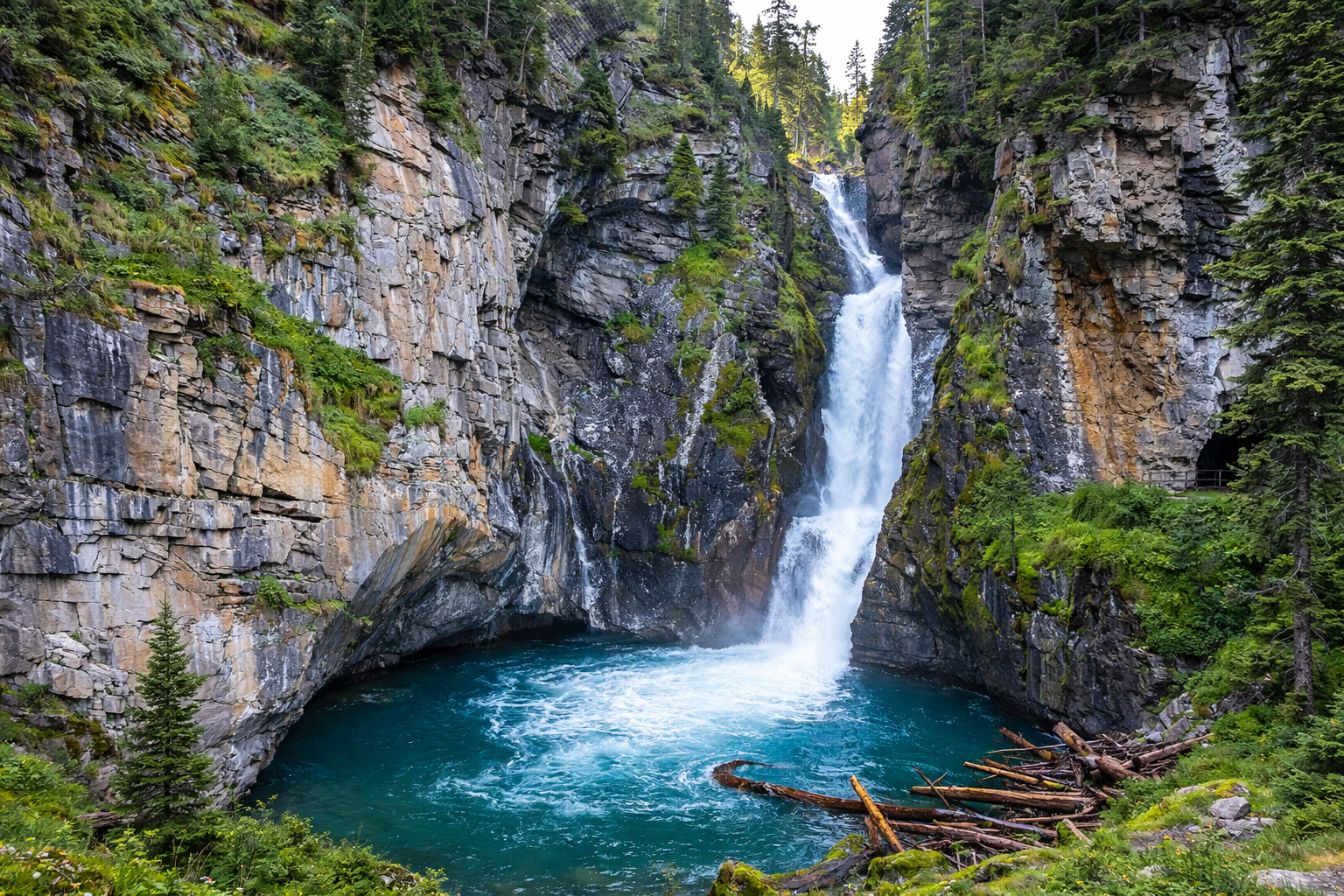
Johnston Canyon is the single most consistent crowd-pleaser for families. The catwalks bolt directly into the canyon walls. You walk above rushing water on a narrow metal walkway with railings, then pass through a low rock tunnel to the Lower Falls where the mist gets you wet and kids love every second of it. Round trip to the Lower Falls is about 2.7 km. If your group has the legs for it, continuing to the Upper Falls adds another 2.7 km and a dramatic 30-metre drop. Both are outstanding. The Lower Falls alone is enough for most kids under six.
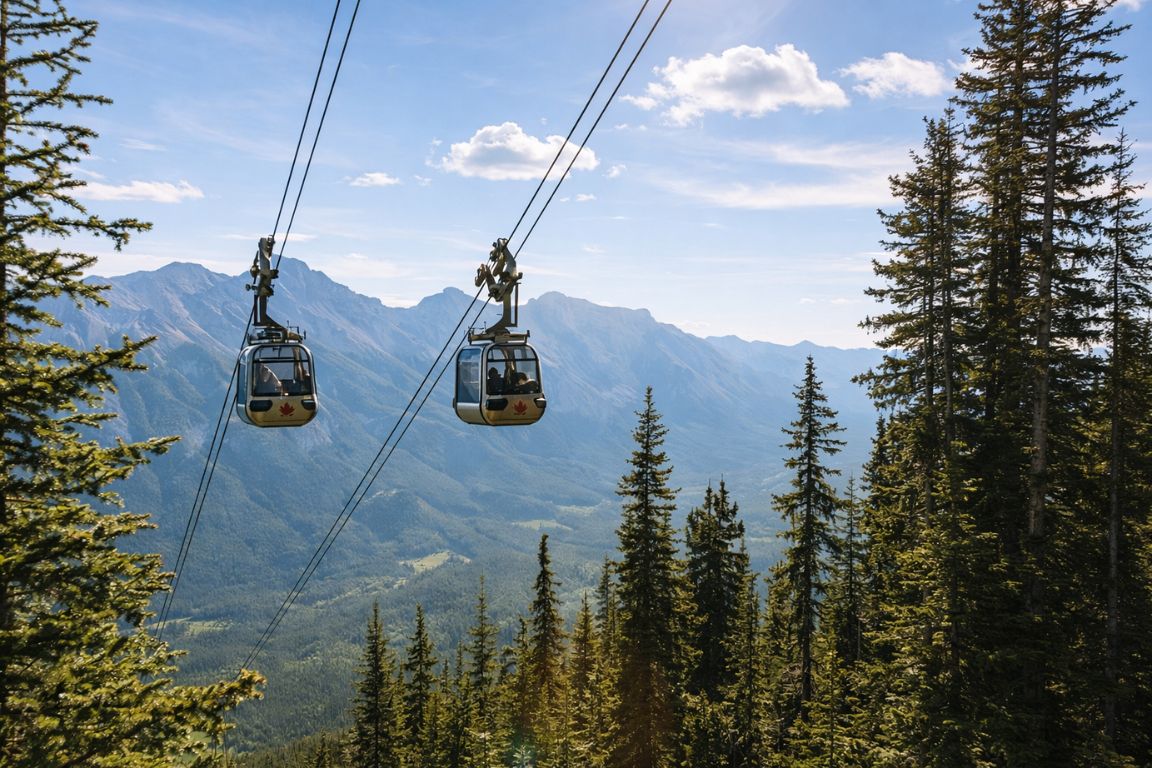
The Banff Gondola summit deserves more credit than it usually gets as a family experience. The ride takes eight minutes and kids who are afraid of heights sometimes discover they aren’t anymore. At the top there are ground squirrels, a boardwalk, interactive exhibits that hold attention, and a multi-sensory theatre. Rocky Mountain bighorn sheep occasionally wander through. Children 6-15 pay $37, under 6 ride free. Within two hours of opening, each adult ticket comes with free admission for one child plus a treat, which is worth timing your visit around. Book at least 48 hours ahead.
The Lake Minnewanka Junior Explorer Cruise is a specific kids-focused offering with treasure hunts and games. It runs alongside the standard adult cruise and operates from May 8 to mid-October. Children 6-15 pay $36 and under 6 ride free. The lake itself is the largest in the park, and the boat moves past scenery that genuinely holds attention.
For younger children who need somewhere to run rather than hike, Cascade Ponds has flat grassy areas and a shallow pebble beach. Johnson Lake has one of the only sandy beaches in the park, warmer water than the glacial lakes, and a trail loop that takes 40 minutes. Both are low-stakes options when you need the kind of afternoon where the goal is just movement and fresh air.
The Cave and Basin National Historic Site is underrated. Kids can explore with an Xplorers booklet that turns the visit into a scavenger hunt. The hot spring snail that lives in the cave is genuinely unusual and holds the attention of children who care about animals. The site explains how three railway workers discovering this cave in 1883 led to Canada’s first national park, which is a better origin story than most things.
Free evening programs at Tunnel Mountain campground theatres run Friday and Saturday nights in summer, with shows about bear safety and park wildlife that are educational without being dry. You do not need to be staying at the campground to attend most of them.
Need a solid recommendation? Here are the best Banff National Park tours that consistently get it right – from small group hikes to comprehensive day trips.
| Johnston Canyon (Lower Falls) | 2+ | Free (park pass) | 2.7 km RT; catwalks, cave, waterfall spray |
| Banff Gondola | 3+ | $74 adult; $37 ages 6-15; free under 6 | Book 48+ hrs ahead; free child ticket within 2 hrs of open |
| Lake Minnewanka Junior Explorer Cruise | 4-12 | $72 adult; $36 ages 6-15; free under 6 | Opens May 8, 2026; treasure hunt format |
| Cave and Basin NHS | 5+ | $5-10/person | Xplorers booklet turns it into a scavenger hunt |
| Johnson Lake swim + loop | All ages | Free (park pass) | Sandy beach, warmer water, 1.5 km loop |
| Bow Valley Parkway wildlife drive | All ages | Free (park pass) | Dawn/dusk best; bears, wolves, elk common |
| Campground interpretive programs | 4+ | Free | Tunnel Mountain + Johnston Canyon theatres; summer only |
| Horseback riding (Banff Trail Riders) | 8+ (minimum age) | ~$80-150/person depending on duration | 1-hour to half-day rides; book ahead |
| Moraine Lake (shuttle + rockpile) | 5+ | $8/adult return (shuttle); kids free | Reserve shuttle April 15, 2026; rockpile short + stunning |
Prices verified March 2026.
What Are The Best Hikes In Banff For Kids?
 The best hikes for kids in Banff are Johnston Canyon to Lower Falls (2.7 km RT, catwalks, drama), the Fenland Trail (2 km loop, flat, stroller-accessible), Tunnel Mountain (4.8 km RT, 260 m gain, real summit), the Moraine Lake Rockpile (0.8 km, iconic view), and Johnson Lake loop (1.5 km, flat, beach). For older kids ready for a longer day, the Consolation Lakes trail (5.8 km RT from Moraine Lake) delivers serious mountain scenery with moderate effort.
The trick to hiking with kids in Banff isn’t choosing an easy trail. It’s choosing a trail with a payoff they can actually see from the trailhead or within the first 20 minutes. Kids don’t hike toward an abstract summit. They hike toward something specific: the waterfall, the cave, the lake that changes colour, the bridge over the gorge. Build the hike around the destination, not the distance.
Johnston Canyon to the Lower Falls is the gold standard for a reason. The catwalks are genuinely exciting, not just as scenery but as infrastructure: narrow metal walkways bolted into canyon walls, water rushing below, rock formations at eye level. The Lower Falls payout includes a cave you walk through, mist, and the sound of rushing water from every direction. Kids who have been reluctant hikers on flat trails move fast in Johnston Canyon because the environment keeps demanding their attention.
The Fenland Trail is the option when someone in the family isn’t a hiker yet. Two kilometres of flat loop through white spruce forest along Forty Mile Creek. Almost no elevation. Stroller-passable in dry conditions. Whitetail deer sightings are common. It sounds simple and it is, but the views of the surrounding peaks make it feel like the mountains are closer than they are.
Tunnel Mountain is the family hike with the most legitimate summit feeling. At 4.8 km round trip with 260 metres of gain, it asks something real from legs that aren’t used to switchbacks. The top delivers a 360-degree view of Banff townsite, the Fairmont Banff Springs, the Bow Valley, and the mountains beyond. Kids who make it to the top tend to talk about it. There is a measurable difference between completing a route and earning a view. Tunnel Mountain sits on the right side of that line.
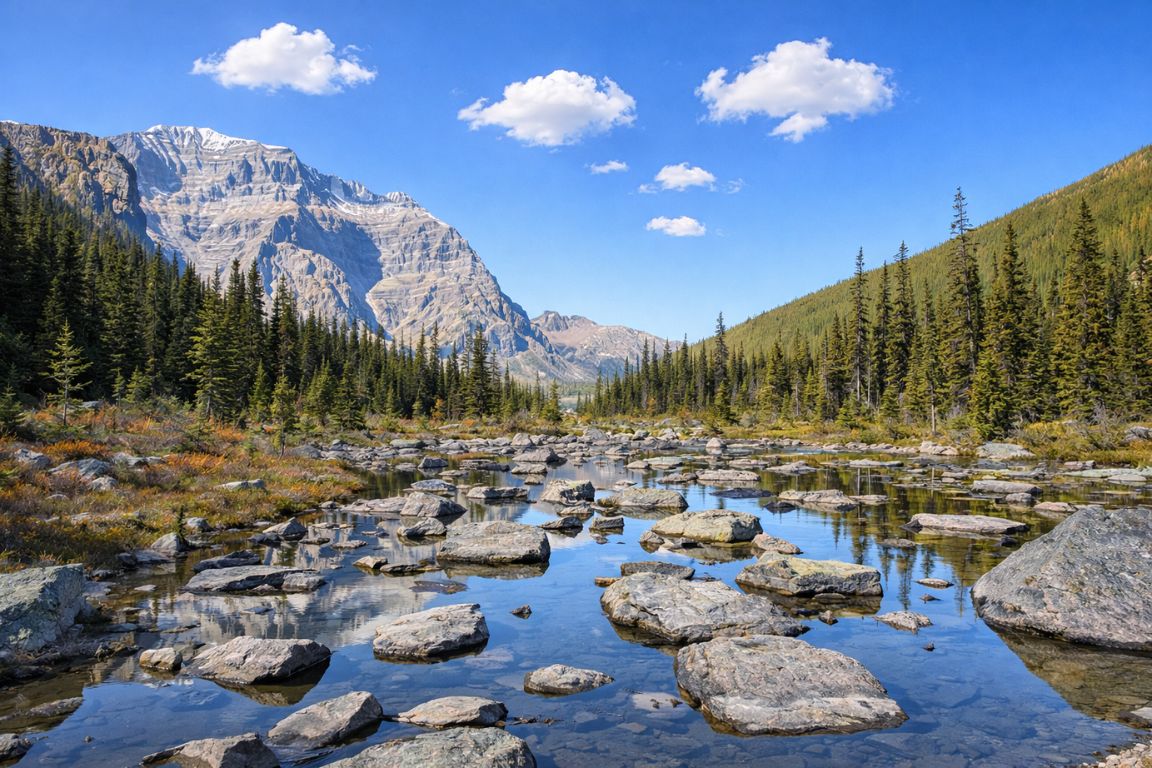
For families based at Moraine Lake, the Rockpile is the non-negotiable. It’s 0.8 km, takes 20 minutes, and the view from the top is one of the most photographed in Canada for good reason. From there, if your group has energy and the kids are 8 or older, the Consolation Lakes trail adds another 3.4 km return through boulder fields and old forest to a pair of turquoise lakes below a cirque. It is one of the best moderate family hikes in the park.
| Johnston Canyon (Lower Falls) | 2.7 km RT | Minimal | Ages 3+ | Catwalks, cave, waterfall spray |
| Johnston Canyon (Upper Falls) | 5.4 km RT | ~100 m | Ages 6+ | 30-metre waterfall, dramatic views |
| Fenland Trail | 2 km loop | Flat | Toddlers, strollers | Deer, creek, forest maze feel |
| Tunnel Mountain | 4.8 km RT | 260 m | Ages 6+ | Real summit, town views, genuine accomplishment |
| Johnson Lake loop | 2.4 km loop | Flat | All ages | Sandy beach, warmer swimming, Douglas fir forest |
| Moraine Lake Rockpile | 0.8 km RT | ~30 m | Ages 4+ | Iconic Valley of 10 Peaks view |
| Consolation Lakes (from Moraine) | 5.8 km RT | 65 m | Ages 7+ | Boulder hopping, turquoise lakes, cirque backdrop |
| Bow River Trail + Bow Falls | 2 km RT | Flat | All ages | Town access, waterfalls, Marilyn Monroe filmed here (great for older kids) |
Distances approximate. Conditions vary by season. Check trail conditions at pc.gc.ca before heading out.
One rule we apply with every family group: never let kids run ahead on the trail. In bear country, the child at the front of the group with no adult nearby is a problem. Keep the group together, make noise, and carry bear spray accessible, not buried at the bottom of a pack. Older kids can and should understand why.
If you’d rather let a guide handle the logistics and the safety briefing, the Banff Guided Signature Hike Experience is a seven-hour outing for guests age 13 and older, with Banff pickup, lunch, and hiking poles included. Routes vary by weekday, and the Larch Valley route does not continue to Sentinel Pass.
Curious about where to hike? Here are the best hiking trails in Banff National Park tours – what’s doable for different fitness levels, what requires permits, and which ones deliver the best bang for your effort.
How Do You Get Around Banff With Kids?
 A rental car gives families the most flexibility, especially for early morning trailhead starts and spontaneous wildlife stops. For families based in Banff townsite, the Roam Transit system covers most key destinations at $2 per adult ride, with children 12 and under free. Moraine Lake requires the Parks Canada shuttle ($8/adult return; under 18 free). The Roam Super Pass at $30/day covers everything. Do not rely on Uber or taxis for park access – they are limited or nonexistent in the backcountry.
Families with young children and gear (carriers, strollers, snack bags, the inevitable extra layers) generally do better with a rental car. The freedom to turn around when someone has a meltdown, pull over for a bear sighting, or make an unplanned stop at Cascade Ponds is worth the daily cost. Pack the car the night before so morning departures actually happen at the time you planned.
That said, many of the most popular family destinations are well-served by transit. Roam Route 1 connects Banff townsite to the gondola. Route 2 covers the Hoodoos and Tunnel Mountain campgrounds. Route 6 goes to Lake Minnewanka. Children 12 and under ride free on all local Roam routes, which removes the per-ride math for larger families.
Moraine Lake is the one spot where everyone, regardless of transportation preference, uses the shuttle system. Private vehicles are not permitted on Moraine Lake Road. The Parks Canada shuttle costs $8/adult return and runs June 1 to October 12, 2026. Children and youth 17 and under ride free. Reservations open April 15, 2026 at 8:00 am MT. Book that date in your calendar now. The shuttle fills fast and disappointment at Moraine Lake is more common than it should be among families who didn’t plan this part.
For getting from Calgary Airport to Banff, the Brewster Express shuttle is the comfortable option. With kids and luggage, the trade-off between shuttle and rental car comes down to one question: do you need the car from day one, or can you get it once you’re settled in Banff? If your first two days are Banff townsite and Johnston Canyon, the shuttle to town plus a rental car pickup later works well and avoids parking costs for those early days.
Curious about car-free options? Here’s everything about Banff National Park tours without a car – transit routes, shuttle timing, and when you’ll genuinely wish you had wheels.
Where Should Families Stay In Banff?
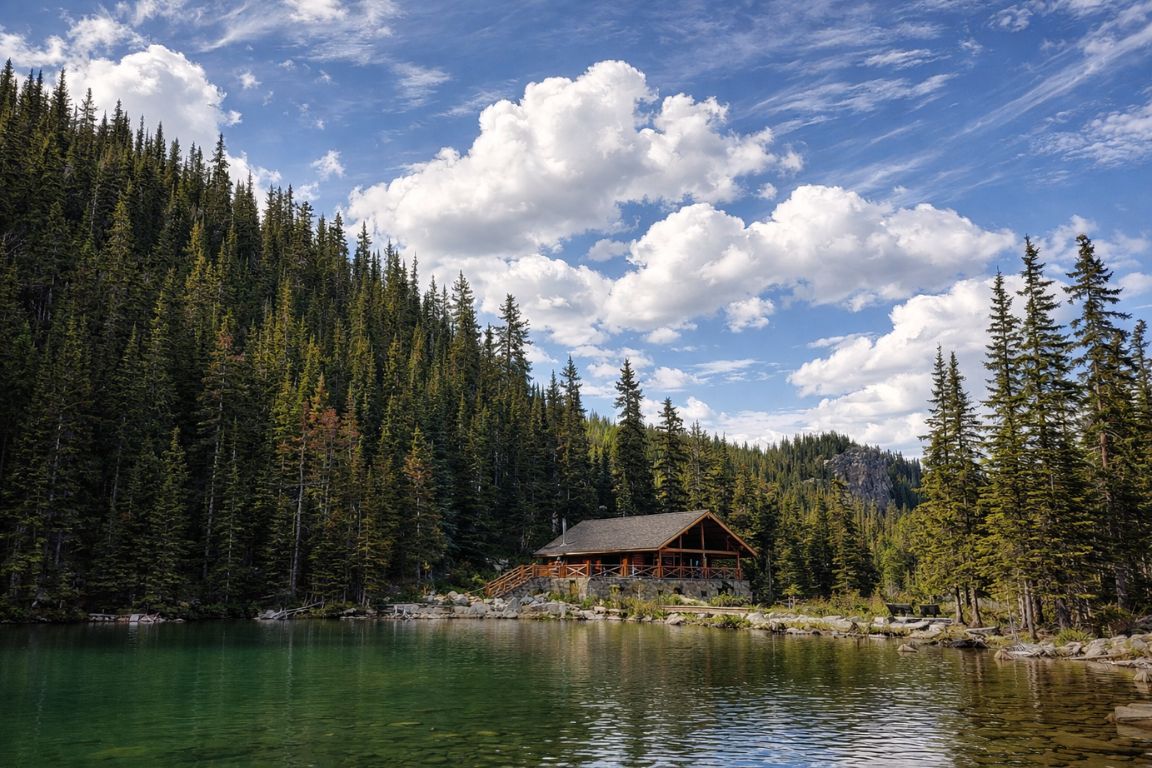 For families, the Douglas Fir Resort is the standout choice: two indoor waterslides, a kids’ pool, full kitchens, fireplaces, condo-style suites, free Roam transit passes, and free parking. The Fairmont Banff Springs offers the Kids at the Castle program for ages 3-12 if budget is flexible. Hotels with kitchenettes on Tunnel Mountain are the best general family strategy, cutting food costs significantly while giving kids room to move. Two Jack Lakeside campground is the best family camping option.
Kitchenette or full kitchen accommodation is the single most impactful accommodation decision families can make in Banff. Breakfast for four at a restaurant runs $80-100. Made in your suite, it costs $15-20. Over a week, that gap funds an extra activity. The Douglas Fir Resort, Hidden Ridge Resort, and Tunnel Mountain Resort all offer apartment-style units with full kitchens, fireplaces, and mountain views. The Douglas Fir adds indoor waterslides and a play zone, which becomes particularly relevant on rainy afternoons or evenings when the day hike is over and the kids still have energy.
The Fairmont Banff Springs has a Kids at the Castle program running activities for ages 3-12, including outdoor wilderness adventures, tennis, and scavenger hunts around the property. It is expensive, but families who stay there frequently describe it as a once-in-a-generation experience. The castle aesthetic is not lost on children. The bowling alley and indoor pool help, too.
The Fox Hotel and Suites and Moose Hotel and Suites are solid downtown options for families who prioritize walking access to restaurants and the townsite over kitchen facilities. Both have hot pools and suites with separate sleeping areas, which matters considerably when you’re sharing a room with a child who falls asleep at 8 pm.
For camping families, Two Jack Lakeside is the strongest choice: a location directly on the lake, swimming access, a playground, and evening interpretive programs for kids. Tunnel Mountain Village I is the town-access option, 4.5 km from Banff Avenue with Roam Transit access and campground theatres running shows on summer nights. Both require reservations exactly 90 days ahead at 8:00 am Mountain Time. They fill within hours of opening. Set an alarm.
The oTENTik glamping structures at Two Jack and Tunnel Mountain ($147.50/night) are worth considering for families with young children who want the camping experience without cold-weather tent logistics. They include beds, electricity, and heating.
Want to get the planning right? This breakdown of how to plan a Banff National Park trip covers all the details most visitors only figure out after they’ve already arrived and realized they should have booked months ago.
| Douglas Fir Resort | Families with young kids (4-12) | 2 indoor waterslides, full kitchens, free Roam passes, free parking |
| Fairmont Banff Springs | Luxury families, bucket-list trip | Kids at the Castle program (ages 3-12), indoor + outdoor pools, bowling alley |
| Fox Hotel and Suites | Downtown access + kitchenette | Grotto hot pool, suites with separate areas, central location |
| Hidden Ridge Resort | Families wanting full kitchen + hot pools | Full kitchens, outdoor hot pools, fireplaces, balconies |
| Two Jack Lakeside Campground | Camping families | Lakeside sites, playground, swimming, evening programs |
| oTENTik (Two Jack or Tunnel Mtn) | Camping-curious families | $147.50/night; heated, beds included, real camping feel without gear |
Accommodation availability varies. Book 6-9 months ahead for summer family suites. Prices verified March 2026.
What Should You Pack For Banff With Kids?
For Banff with kids, pack layers for temperature swings of 15°C+ between morning and afternoon, waterproof outer layers, sun protection, a child carrier for toddlers, bear spray (and know how to use it), and enough snacks to outlast any weather delay. Good hiking footwear for kids is the single most important piece of gear for longer trails. A first aid kit with blister supplies is the item parents most regret forgetting.
Temperature management is the first and most important packing decision. Summer days in the Banff valley hit 20-25°C, but mornings start cold at 5-8°C and the alpine above treeline is always cooler and windier than the valley. A child who is warm at the trailhead may be too cold by the time you reach the canyon. Layering works because you can take things off. Pack at least one warm mid-layer per person, even in July.
Waterproof outer layers matter in summer for a specific reason: afternoon thunderstorms arrive without long warning, particularly July and August. The storms pass quickly but they arrive decisively. A lightweight rain jacket per person adds almost no weight and removes the entire rainy-afternoon misery scenario.
Bear spray is not optional. Every hiking family needs at least one canister, carried accessible on a hip belt or in an outer pocket, not buried in a pack. Kids old enough to understand the rules should know not to touch it. Kids old enough to use it in an emergency should know how. Rentals run $10-15/day at outdoor retailers in Banff townsite. Buying runs $40-60. Either way, carry it and carry it where you can reach it in three seconds.
A child carrier backpack is worth the investment for families with toddlers. Banff’s trails don’t accommodate strollers well except on a few specific paved paths. A carrier lets you put a tired two-year-old on your back and keep moving. It also means you can go further than a toddler’s legs allow, which opens up trails that would otherwise be out of reach.
Snacks deserve their own paragraph because they solve more Banff family problems than almost anything else. A child who starts complaining about the hike at kilometre 1.5 and receives a handful of trail mix at kilometre 1.6 often makes it to kilometre 3. Bring more food than you think you need and keep some in your pocket for the moment when the bag is at the bottom of the pack and a minor meltdown is imminent.
What Age Is Banff Best For?
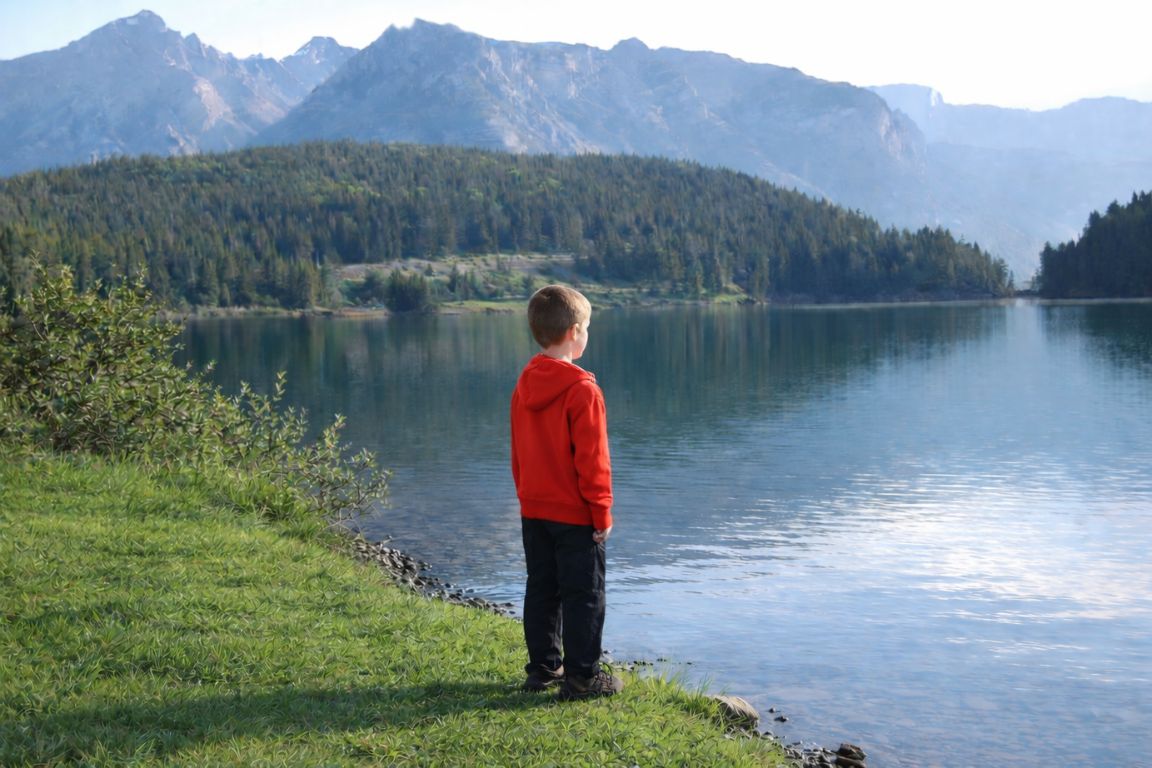 The sweet spot for Banff with kids is ages 5-12. Children in this range can hike 4-8 km, process wildlife encounters with real excitement and curiosity, and engage meaningfully with the scale of the landscape. Babies and toddlers can absolutely visit with a carrier. Teenagers tend to love Banff more than parents expect, particularly if the trip includes a gondola, horseback riding, or a kayak. There is no age at which Banff doesn’t work, but how you structure the day changes significantly depending on where you are on that spectrum.
Babies and toddlers under three are more portable than most parents fear. The Fenland Trail, Johnson Lake loop, Bow Falls, Cascade Ponds, and the gondola summit boardwalk all work with a carrier or stroller. You won’t be hiking to Lake Agnes, but you’ll be in the mountains. That matters.
The 3-5 range introduces the first trail opinions, which are enthusiastic for 1.5 km and then suddenly very negative. Johnston Canyon Lower Falls works perfectly for this age because the catwalks and the cave provide constant stimulation. The gondola works. Short beach days work. Build your days around the guaranteed payoff, not the distance.
Five to twelve is where Banff delivers its full range. Children this age can hike Tunnel Mountain, do the full Johnston Canyon to the Upper Falls, reach Consolation Lakes, and spend real time at Moraine Lake. They’re old enough to watch an elk and understand what they’re looking at. They’re young enough that discovering a pika still completely stops them in their tracks. The evening campground programmes become genuinely exciting at this age. The gondola summit is a formative experience rather than just a nice view.
Teenagers are often described as resistant to nature destinations. Our experience is that Banff tends to recalibrate that quickly. The scale of the landscape is hard to dismiss. The activities that teenagers tend to respond to are physical ones with real stakes: a longer hike to an alpine lake, horseback riding, whitewater rafting (minimum age varies by operator), or kayaking on Lake Minnewanka. Give teenagers something to push against and Banff usually wins.
What We’ve Learned From Guiding Families Through Banff
After more than a decade of guiding family groups through the park, patterns emerge. Not every family makes the same mistakes, but the successful ones share a set of habits that we’ve watched pay off consistently across 8,600+ travelers.
| Families who started activities before 8 am | Reported the best wildlife sightings and finished hikes before peak afternoon heat and crowds; almost none regretted the early start |
| Families who planned 3+ major activities per day | Consistently reported afternoon meltdowns and rushed experiences; those who cut to 1-2 activities reported much higher satisfaction |
| Most memorable moment reported by families with kids under 10 | Wildlife encounters (especially bear sightings and elk) outranked every paid attraction consistently |
| Families who booked accommodation with a kitchen | Reported significantly less meal-stress and saved an estimated $150-200/day versus all-restaurant dining for a family of four |
| Families who visited Moraine Lake without pre-booking the shuttle | A significant portion were turned away or had to wait hours; pre-booking the shuttle on April 15 eliminated this entirely |
| Trail most regretted skipping (family groups) | Johnston Canyon to Upper Falls – families who only did the Lower Falls often wished they had gone further once they saw how engaging the full trail was |
Based on observations from Banff National Park Tours family client groups since 2014. Figures are representative estimates.
We’ve planned family trips for groups with a 10-month-old and a teenager in the same party. The itinerary for that trip looks nothing like one built for a family with three kids aged 8-12. If you want help building a realistic plan for your specific family, start with the best Banff National Park tours and choose a day that already matches your group’s pace.
What Are The Biggest Mistakes Parents Make In Banff?
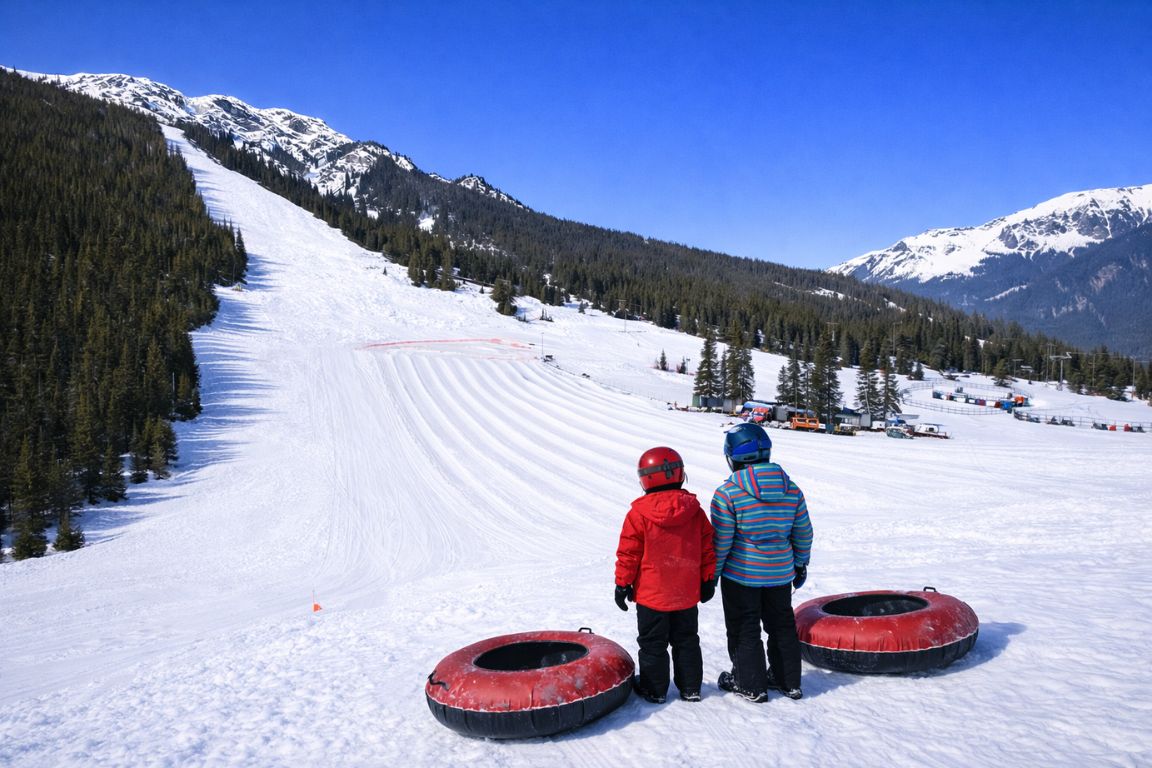 The most common mistakes families make in Banff are: overpacking the daily itinerary, skipping bear spray, booking a hotel without a kitchen, missing the Moraine Lake shuttle reservation window, not building in rest time, choosing trails that are too long for the youngest member, and underestimating how cold mornings and evenings get even in summer. A family that plans two good things per day almost always has a better trip than one that plans five.
The overpacked itinerary is the most consistent one we see. Parents understandably want their kids to experience everything, especially on a once-in-a-long-time trip. But Banff at age six, experienced slowly and without rushing, goes deeper than Banff at speed. The child who spends 45 minutes watching a ground squirrel at the gondola summit while a parent tries to push on to the next thing is doing exactly what the place is for. Two meaningful stops per day leaves room for those moments. Five stops compresses them out entirely.
Skipping the bear spray is a documented problem, not a theoretical one. Parents sometimes assume that hiking the popular, busy trails means they’re safe. Most wildlife encounters in the park happen on busy trails, because wildlife doesn’t read the trail map. Carry bear spray, carry it accessible, and take five minutes to understand how it works. Parks Canada visitor centres in Banff and Lake Louise will walk you through it.
The Moraine Lake shuttle window closes more doors for families than any other logistical error. Reservations open April 15, 2026 at 8:00 am MT. Families who miss that window either get lucky on the rolling 48-hour release or they don’t go. It is genuinely one of the most spectacular experiences in the park and the access system is not negotiable. Mark the date.
If you’re trying to see this iconic lake, here’s our Moraine Lake travel guide so you know exactly how to navigate the new shuttle-only access and road closures.
Under-dressing for temperature is close behind. Parents who dress their kids for a 22°C afternoon do not have what they need for a 6:30 am bear-watching drive at 8°C or a cold wind at 2,400 metres elevation. Every family member needs a warm layer, every day, regardless of what the forecast says the afternoon will be.
One thing almost no blog about Banff with kids mentions: the elk. During the rut (late August through mid-October), bull elk become aggressive, particularly in and around Banff townsite. The standard is 30 metres minimum distance. A bull elk during rut who feels crowded by a group of curious children is a real hazard. Teach kids the distance rule before they have a chance to test it up close.
Frequently Asked Questions
Is park entry free for children at Banff?
Yes. Youth 17 and under always enter Banff National Park free. Adults pay $12.25/day or $83.50/year for the Discovery Pass. The family/group Discovery Pass is $167.70 and covers up to seven people arriving in one vehicle. From June 19 to September 7, 2026, the Canada Strong Pass makes entry free for everyone. Prices verified March 2026.
What is the best age to take kids to Banff?
The sweet spot is ages 5-12, when children can hike 4-8 km independently and engage meaningfully with wildlife and scenery. Babies and toddlers visit successfully with a carrier backpack. Teenagers tend to love Banff more than expected, especially for physical activities like hiking, horseback riding, and kayaking. There is no age that doesn’t work – the activities and trail choices just change.
Do children need bear spray in Banff?
Families hiking any trail in Banff should carry bear spray. The park has approximately 70 grizzly bears and 35-40 black bears. One canister per family group, carried accessible on a hip belt or outer pocket, is the standard. Rental runs $10-15/day at outdoor shops in Banff townsite. Children old enough should understand the basic wildlife safety rules: make noise, stay together, never run from a bear, maintain minimum 30-metre distance from all wildlife.
Can you take a stroller to Banff?
Yes, on specific trails. The Fenland Trail, Bow River Trail to Bow Falls, the Cave Avenue paved path, and the first section of the Sundance Canyon trail are stroller-accessible in dry conditions. Most hiking trails in Banff are not stroller-friendly. A child carrier backpack is the more practical option for families who want to reach canyon trails, lake viewpoints, and summit areas. Most families with toddlers bring both.
How do you get to Moraine Lake with kids?
Private vehicles are not permitted on Moraine Lake Road. Families take the Parks Canada shuttle, which costs $8/adult return – children and youth 17 and under ride free. The shuttle runs June 1 to October 12, 2026. Reservations open April 15, 2026 at 8:00 am Mountain Time at reservation.pc.gc.ca or by phone at 1-877-737-3783. Book on April 15 – spots fill within hours for peak dates. The Roam Super Pass ($30/day) includes the shuttle as well.
What is the best family-friendly hotel in Banff?
The Douglas Fir Resort is the top choice for most families with young children. It has two indoor waterslides, a children’s pool, a play area, condo-style units with full kitchens, fireplaces, free parking, and complimentary Roam Transit passes. It sits on Tunnel Mountain about 5 minutes from downtown Banff. For a luxury alternative, the Fairmont Banff Springs runs the Kids at the Castle program for ages 3-12. Book either property 6-9 months ahead for summer dates.
Written by Avery Claire Thompson
Canadian tour guide since 2014 · Founder, Banff National Park Tours
Avery has guided over 8,600 travelers through Banff National Park and the Canadian Rockies since founding the agency.
Most families do better with a single planned outing and open space around it.
Match One Guided Day To Your Family
Compare a guided day with the independent options in this guide. Confirm your date and meeting point before booking.
Match These Options To Your Trip
 Our Starting Recommendation
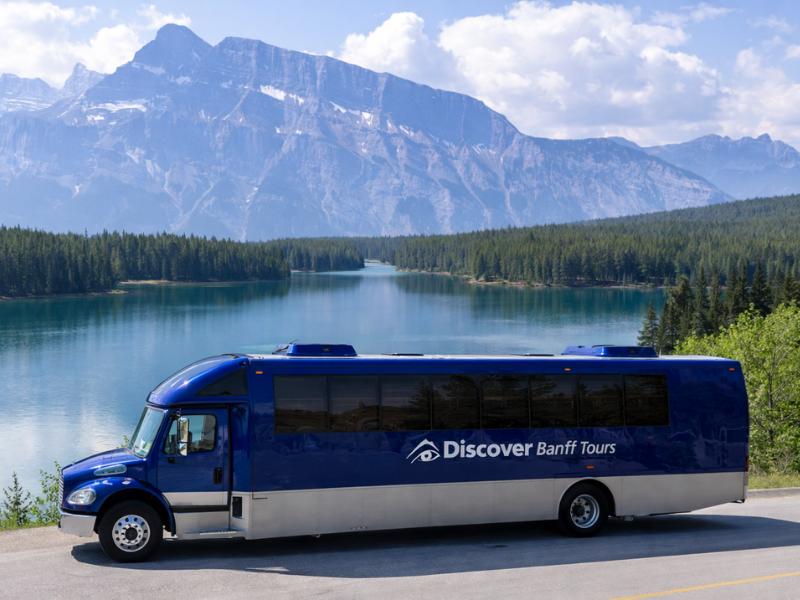
Banff Wildlife And Viewpoints Minibus
Join Bow Falls, Surprise Corner and Lake Minnewanka in a guided morning.
3½ hours · English
Banff hotel pickup on request; otherwise the Mount Royal Hotel bus parking.
Guide, minibus, cookie and drink. Gratuities extra.
Wildlife sightings are never guaranteed. Ask about child seating and access needs before booking.
Explore Banff’s Viewpoints ↗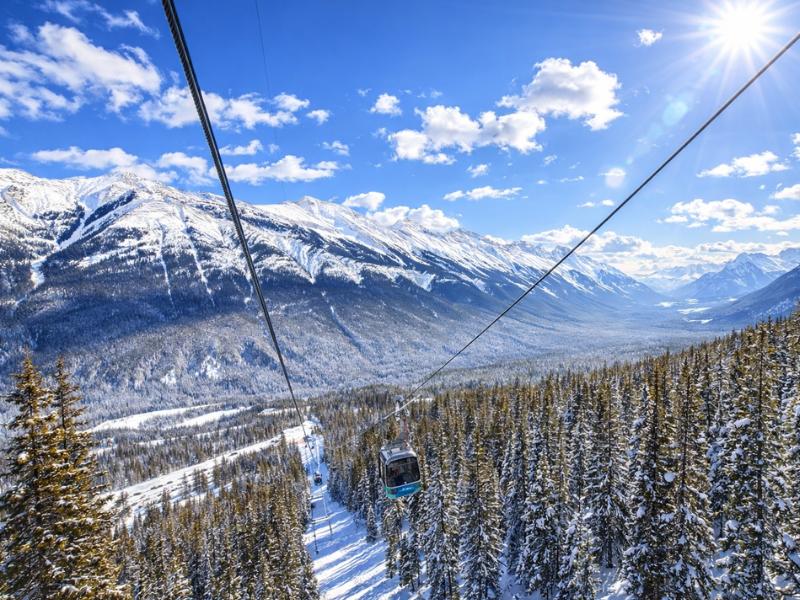 A Different Way To Spend The Day
Banff Gondola Summit Ticket
Reach Sulphur Mountain’s views without hiking the ascent.
Timed entry; ticket validity is 1 day · English
Make your own way to the Sulphur Mountain base.
Return gondola ride and summit interpretive facilities. Food, park admission and parking extra.
No strollers. Arrange accessibility requests with the operator at least 72 hours ahead. Confirm your return time.
Book The Summit Ride ↗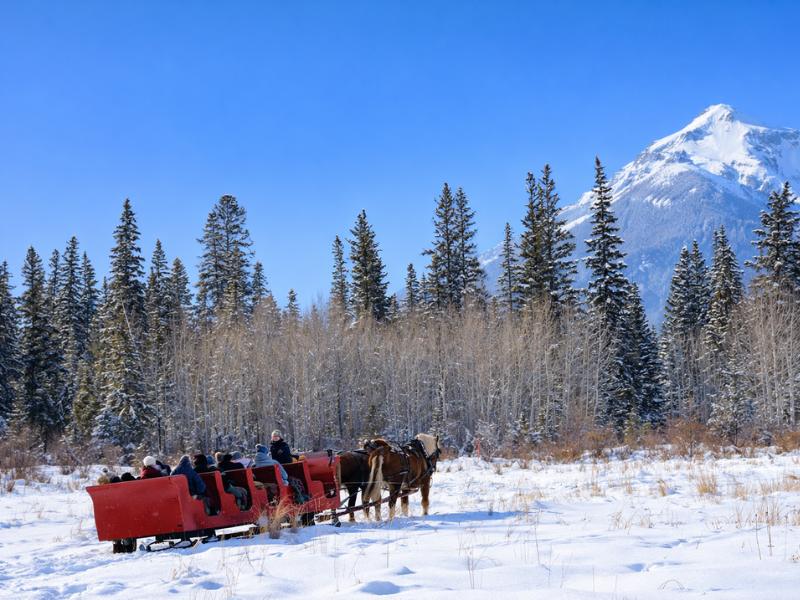 A Different Way To Spend The Day
Banff Horse-Drawn Sleigh Ride
Enjoy a short snow-covered meadow outing followed by a hot drink.
40 minutes; allow extra time for check-in · English
Own arrival at Banff Trail Riders, 100 Sundance Road, Banff.
Driver, hot drink and parking. Hotel transport, souvenir blanket and s’mores kit excluded.
Weather-dependent. Minors need a parent or guardian. Children under 4 may sit on a lap without a separate seat.
Reserve A Banff Sleigh Ride ↗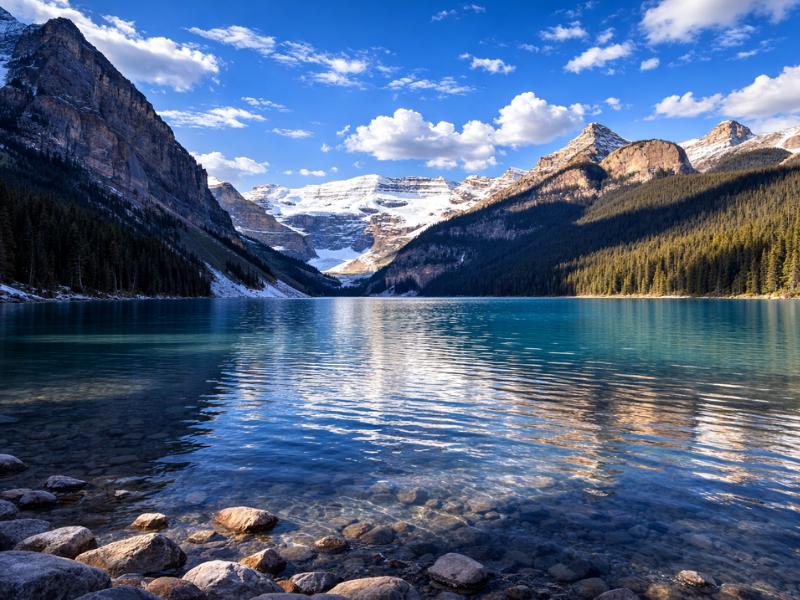 A Different Way To Spend The Day
Lake Louise And Moraine Lake Day Tour
Link the two lakes without organising separate transport.
8–10 hours · English
Pickup in Calgary, Canmore or Banff; confirm the selected meeting and end points.
Guide, transport and listed lake access. Meals and personal expenses extra.
No wheelchair access. Bring your own child seat for children under 7. Moraine Lake is seasonal.
Visit The Two Lakes ↗No choices needed to use the recommendations above.
Work Out The Cost For Your Group
Enter complete quotes in CAD for the same people, date and itinerary. Include transport, parking, entry, food and any other extras on both sides. For shared versus private, enter the shared total first and private total second.
Use current quotes; no prices or savings are assumed.
Turn Your Plan Into A Day Out
Pick one age-appropriate anchor outing and leave enough open time for meals, rest, and weather changes.
Your Next StepBanff Wildlife And Viewpoints Minibus
Join Bow Falls, Surprise Corner and Lake Minnewanka in a guided morning.
3½ hours · English
Banff hotel pickup on request; otherwise the Mount Royal Hotel bus parking.
Guide, minibus, cookie and drink. Gratuities extra.
Wildlife sightings are never guaranteed. Ask about child seating and access needs before booking.
Explore Banff’s Viewpoints ↗Choose Your Date
Banff Wildlife And Viewpoints Minibus
Open the provider’s calendar to select your date, party and departure. Availability and prices are confirmed there.
Dates On GetYourGuide
Banff Wildlife And Viewpoints Minibus
Choose a date and party to see current options. Confirm the meeting point and restrictions on the listing.
More Banff Sightseeing On Viator
Browse the site’s original Viator selection of Banff day tours, wildlife outings and lake excursions. These are additional ideas, not matches to the trip form. Check dates, duration, pickup and suitability on each listing.
Open The Recommended Outing ↗