Best Hiking Trails In Banff
Banff offers 1,600 km of trails - from Johnston Canyon to the Plain of Six Glaciers and golden Larch Valley. Here’s how to choose the right hike.
Choose between a guided trail day, transport to the two famous lakes, and a winter canyon walk according to route, season, and fitness. Match a Banff Trail Day
Last updated: April 29, 2026
Your Experience Plan: The signature hike is a seven-hour guided trail day for guests aged 13+, while the lake tour solves access and the icewalk covers a specific winter route.
Quick Facts: Hiking In Banff National Park
| Total maintained trails | 1,600+ km |
| Prime hiking season | July through mid-September (alpine passes); mid-June for lower trails |
| Park pass (adult daily) | CAD $12.25/adult; Annual Discovery Pass CAD $83.50 – Prices verified March 2026. Note: Free admission applies June 19 to September 7, 2026 via the Canada Strong Pass initiative. |
| Youth (17 and under) | Free year-round |
| Moraine Lake access | Shuttle only (no private vehicles). Parks Canada shuttle: CAD $8/adult return. Season: June 1 to mid-October. |
| Shuttle reservations open | April 15, 2026 at 8:00 am MT via reservation.pc.gc.ca |
| Bear spray required | Yes, on all backcountry and wilderness trails |
| Emergency contact | Banff Dispatch: 403-762-1470 – cell coverage is unreliable in the park |
| Trail conditions (official) | pc.gc.ca/banff-trail-conditions |
| Larch season | Late September to early October (peak: Sept 20 to Oct 5 most years) |
What Are The Best Hiking Trails In Banff For First-Time Visitors?
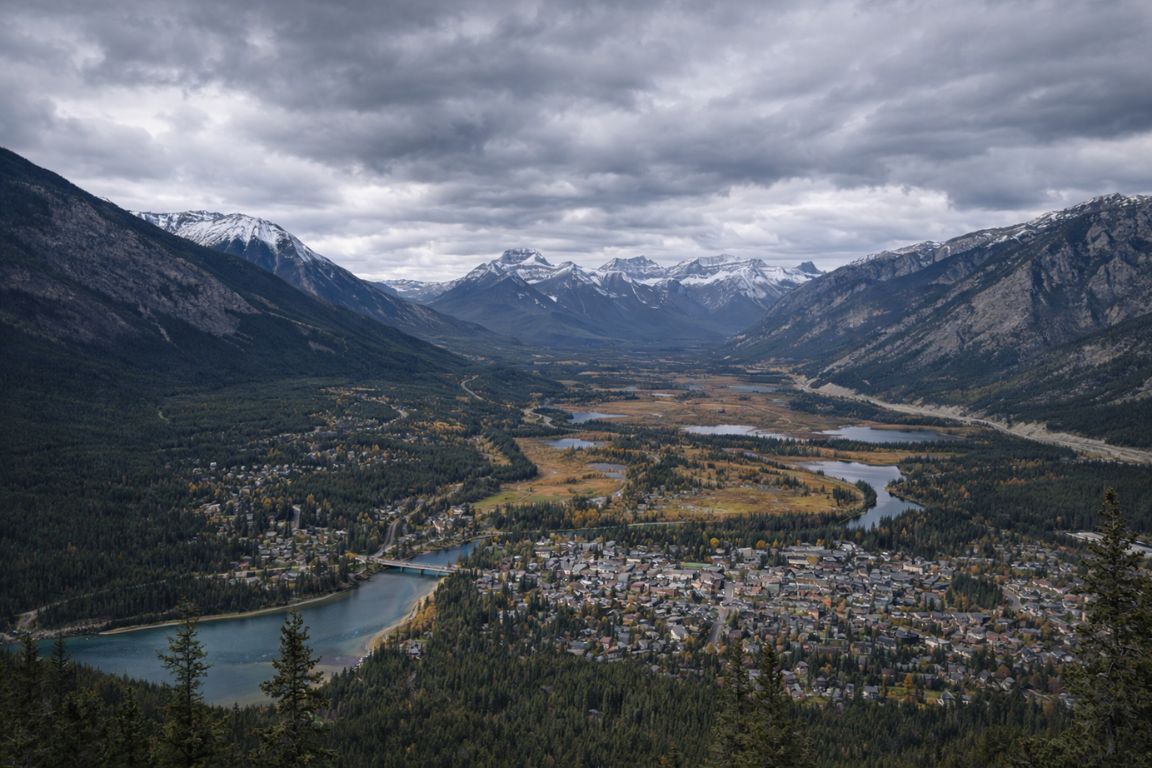 For most first-timers, Johnston Canyon is the clear starting point. It’s 5.4 km round trip to the Ink Pots, fully walkable on iron catwalks bolted into canyon walls, and delivers two waterfall payoffs within the first two kilometres. If you want something with real elevation and a famous lake view, the Lake Agnes Trail is 7 km return with 385 m of gain and ends at a working teahouse that’s been serving hikers since 1901. Both are doable without a guide and require no advance permit.
The canyon hike and the teahouse hike represent two different reasons people come to Banff. Johnston Canyon is genuinely dramatic right from the start. You walk above a rushing slot canyon on steel catwalks, the rock walls closing in, mist from the lower falls hitting your face. It doesn’t ask anything of you physically. Kids can do it. People in trail runners can do it. And yet it doesn’t feel easy in the way that tourist traps feel easy. The canyon earns the attention.
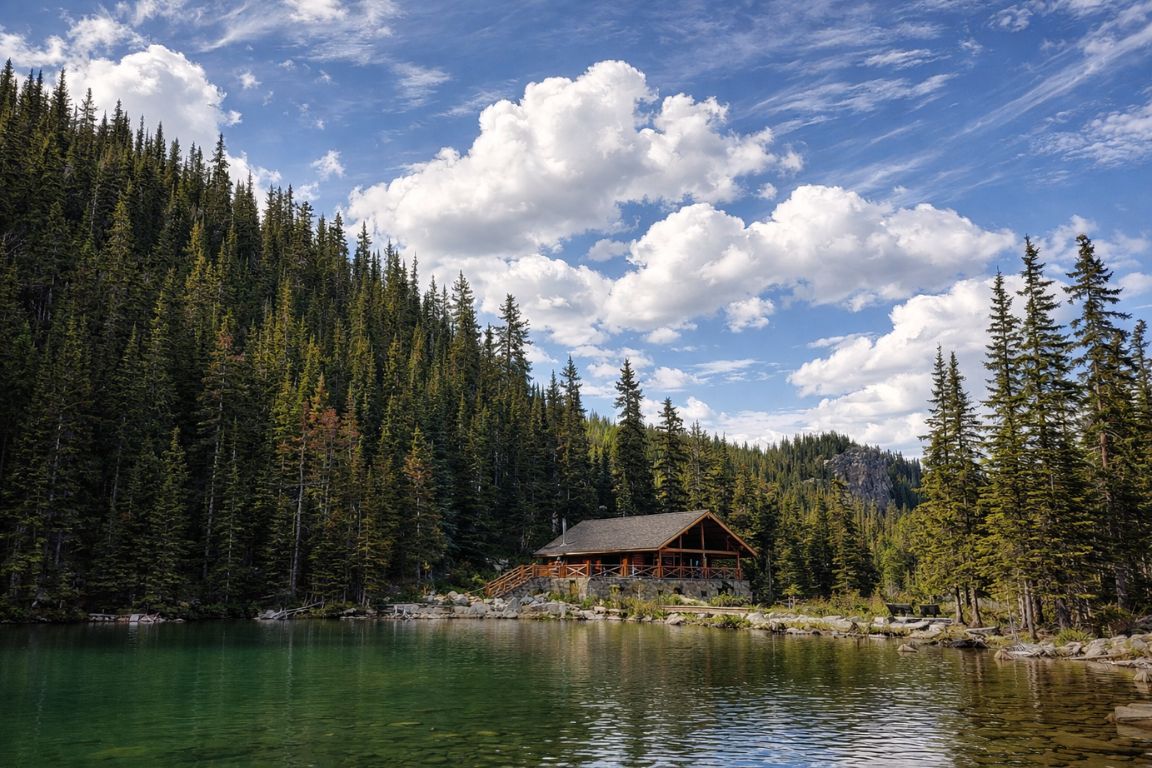
Lake Agnes is a different animal. The trail from Lake Louise winds up through forest, switches back along the cliff face, and then deposits you at an alpine lake surrounded by talus slopes. The teahouse itself is a bit of a miracle, a wood-framed building at 2,135 metres with no road access, perched there since the Canadian Pacific Railway built it as a refuge. Tea, lemonade, and baked goods, all carried in by pack horse. Most visitors stop here and turn around, which is perfectly reasonable. The truly curious continue up to the Big Beehive for a view that makes the extra 135 metres of gain feel like theft.
Tunnel Mountain is worth mentioning for anyone staying in town. It’s a 4.8 km loop that starts within walking distance of downtown Banff, gains about 260 metres, and gives you a legitimate panorama of the Bow Valley and Mount Rundle. Nothing about it is hard. Everything about it rewards. It’s what you do on the day you arrive to shake off the drive.
Not sure which trail fits your group’s fitness level? Our team at Banff National Park Tours matches travelers to trails every day and handles shuttles, park passes, and timing. We’ve been doing this since 2014 for 8,600 travelers and counting.
If you’re feeling overwhelmed by all the decisions, here’s how to plan a Banff National Park trip so you don’t waste time figuring out permits and transportation on the fly.
Which Banff Hikes Offer The Most Dramatic Scenery Without Technical Skill?
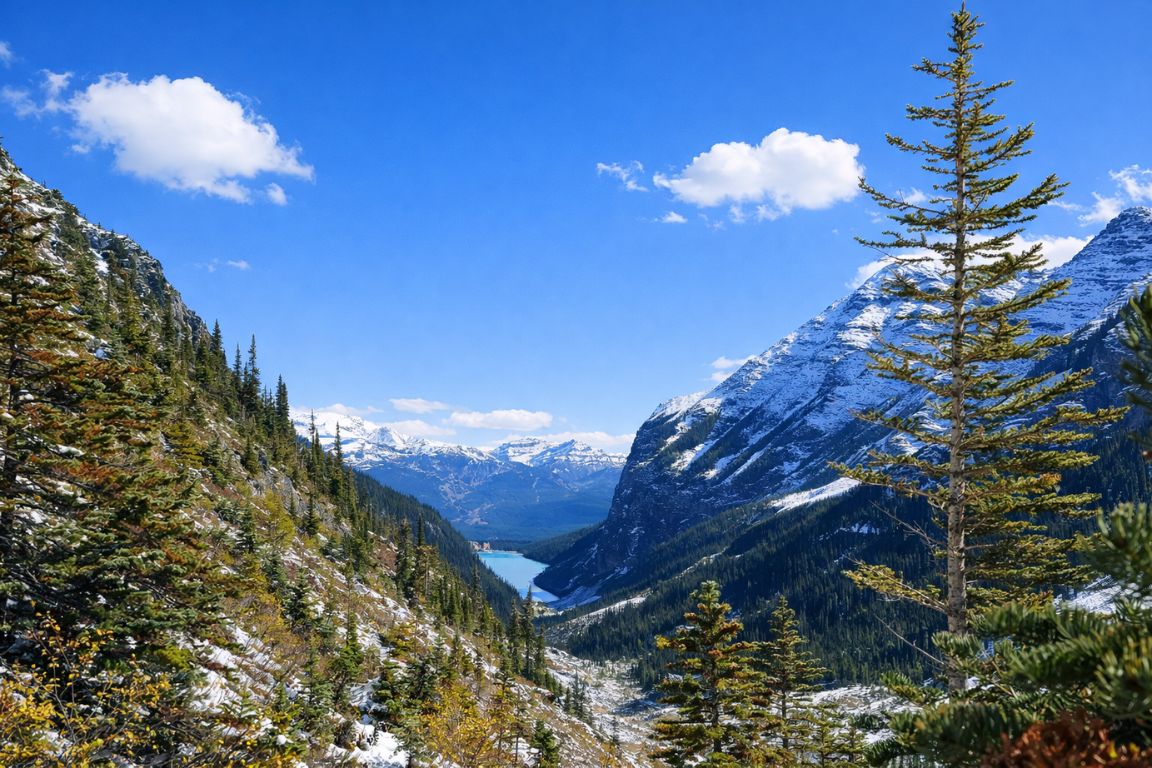 The Plain of Six Glaciers trail is the most rewarding moderate hike in the park. It’s 14 km return from Lake Louise, gains 365 metres, and ends at a viewpoint directly in front of six named glaciers on the flanks of Mount Victoria. There’s a backcountry teahouse at the 7 km mark for a rest stop. No scrambling, no route-finding, no technical skill required. You just have to want it enough to keep walking.
The trail starts at the Fairmont Chateau Lake Louise, meaning the first two kilometres are shared with everyone photographing the lake. Most visitors turn around at the far end of the shoreline. Past that point, the trail climbs into a completely different environment. The path gets rougher, the crowds thin to almost nothing, and the valley opens ahead of you in a way that feels unearned given how flat the start was.
Don’t show up unprepared. This complete Lake Louise guide covers all the logistics, timing, and insider tips you need to actually enjoy one of Canada’s most crowded attractions.
At roughly 7 km, the Swiss-built teahouse appears improbably against the grey rock. It operates seasonally, serving tea, soup, and baked goods to anyone who made it this far. Take the rest. The final push to the Abbot Pass viewpoint gains another 100 metres over uneven terrain, ending on a raised rock berm at the base of the glaciers. The sound is worth noting. When ice breaks, it echoes around the bowl. It’s not subtle.
For those who want big scenery with less elevation, the Moraine Lake Lakeshore Trail is 1.5 km along the waterline with the Valley of the Ten Peaks filling the entire skyline. It’s flat, accessible, and still one of the most genuinely striking landscapes in the country. The Rockpile Trail, a short 300 m scramble above the lodge, gives you the famous overview that’s been on the back of the Canadian $20 bill.
Heading to the Ten Peaks? I’ve put together a complete Moraine Lake travel guide covering shuttle reservations, timing, and how to actually get there now that they’ve banned parking.
| Plain of Six Glaciers | 14 km | 365 m | 4-6 hrs | Six glaciers, teahouse, glacier viewpoint |
| Lake Agnes + Big Beehive | 11.6 km | 520 m | 4-5 hrs | Alpine lake, historic teahouse, panoramic ridge |
| Sulphur Mountain | 11 km | 655 m | 4 hrs | 360-degree Bow Valley panorama, ridge boardwalk |
| Consolation Lakes | 6 km | 65 m | 2-3 hrs | Turquoise lake, minimal effort, moraine terrain |
| Moraine Lake Lakeshore | 3 km | Minimal | 1 hr | Ten Peaks vista, no elevation required |
What Are The Best Day Hikes In Banff For Experienced Hikers?
Sentinel Pass via Larch Valley is the benchmark hard day hike around Moraine Lake: 11.6 km return with 725 m of elevation gain to one of the highest trail passes in the Canadian Rockies at 2,611 m. For something less trafficked, the Saddleback Pass trail from Lake Louise climbs 600 m to a wind-scoured col with commanding views of Mount Temple and Paradise Valley. Both require fitness, layered clothing, and an early start.
Sentinel Pass earns its reputation. The hike starts at Moraine Lake, climbs through Larch Valley on sustained switchbacks, and then continues up steep scree to the pass. At the top, both valleys open below you at the same time. It’s a rare thing in the Rockies, that sensation of looking down into two completely different worlds at once. The pass sits at 2,611 metres and weather can move through fast, so watch the sky from Larch Valley upward.
The Eiffel Lake spur branches off from the Larch Valley trail at around the 4 km mark. It adds a few kilometres to reach a narrow blue-green lake sitting in a hanging valley above Moraine Lake, with the Ten Peaks as a backdrop. Most hikers skip it, which is one good reason to do it.
For hikers based near Banff townsite, the C-Level Cirque trail on Cascade Mountain is underrated. It’s not technical, but 8.4 km and 455 m of gain takes you to an abandoned coal mine and then above treeline into a classic cirque. Almost nobody is up there. The contrast with the crowds at Johnston Canyon, 20 minutes away by car, is stark.
Which Banff Trails Are Best In Summer Vs. Fall?
 July and August are best for high alpine routes: Sentinel Pass, Plain of Six Glaciers, and Saddleback are all clear of snow by mid-July. Fall, specifically late September to early October, is best for larch season hikes: Larch Valley, Eiffel Lake, and the Lake Agnes circuit turn golden and draw visitors from across the country. The two seasons require completely different planning, especially around Moraine Lake, where shuttle reservations sell out weeks before peak weekends.
The summer argument is access. By mid-July, virtually every trail in the park is snow-free, passes are open, and the days run long enough to tackle the biggest routes without rushing. July is also when wildflowers peak in the meadows above treeline. Sunshine Meadows, accessible from Sunshine Village, is worth a full day in late July purely for the flower display.
The fall argument is different. The larches in Banff are alpine larches, Larix lyallii, and they behave unlike most conifers. Every September their needles turn a specific shade of molten gold before dropping entirely. Peak color runs roughly September 20 to October 5, though the timing shifts with weather. Larch Valley at Moraine Lake is the most famous spot. What most visitors don’t know is that the larches also appear on the Plain of Six Glaciers trail above the teahouse, scattered around Lake Agnes, and high on the Saddleback Pass trail. A well-timed September trip can layer multiple larch experiences across a single itinerary.
One honest note on fall: the crowds at Moraine Lake in larch season rival July at its worst. Shuttles book out days in advance. If you’re planning a late September trip specifically for the larches, build extra days into your itinerary so a sold-out shuttle on day one doesn’t erase the whole plan.
Curious about autumn in the Rockies? Our guide on fall in Banff National Park tours covers when the larches peak, what trails are best, and how to deal with unpredictable weather.
| Alpine trail access | Full (snow-free from mid-July) | Mostly open; early snow possible above 2,000 m |
| Larch color | Green (no color) | Peak golden, Sept 20 to Oct 5 most years |
| Crowds | Highest (especially July weekends) | High on larch trails; quiet elsewhere |
| Temperatures | Warm in valley (18-25°C); cooler above treeline | 5-15°C; cold nights; snow possible any day |
| Shuttle booking lead time | Book April 15 for best dates | Book as early as possible; larch weekends sell in hours |
| Wildflowers | Peak late July in alpine meadows | Gone |
What Do You Actually Need To Bring On A Banff Hike?
Bear spray is non-negotiable on any trail that goes beyond paved paths. Parks Canada also recommends carrying a satellite emergency communication device since cell coverage fails throughout most of the park. For a full day hike, plan on 2 litres of water minimum (surface water is present but must be filtered), layered clothing for 15-degree temperature swings, and real hiking footwear. The gear shortlist below covers a standard Banff day hike.
The bear spray question comes up constantly. Yes, you need it. Not because an encounter is likely, but because Banff has roughly 65 grizzly bears across 6,641 square kilometres and you will be walking through their territory. Bears are most active at dawn and dusk, which happens to be the best time to hit the trail. Carry the canister on the exterior of your pack where you can reach it without taking the pack off. It’s available at visitor centres and outdoor shops in town.
The temperature question surprises a lot of visitors. Banff townsite sits at 1,383 metres. Most full-day hiking trailheads start at 1,500 metres or higher, and popular summits like Sentinel Pass top out above 2,600 metres. The difference between a warm afternoon at the lake and the top of a pass can be 15 degrees. Pack a fleece, a wind layer, and waterproof shell even in July. The number of people we’ve seen shivering in cotton hoodies at alpine viewpoints in August is not small.
Water: the streams and lakes look clean. They’re not, at least not reliably. Surface water in the Rockies can carry Giardia. Either carry enough water from town or bring a filter. On longer trails like Plain of Six Glaciers and Sentinel Pass, you’ll want at least 2 litres and the ability to refill.
What Are The Biggest Mistakes Hikers Make In Banff?
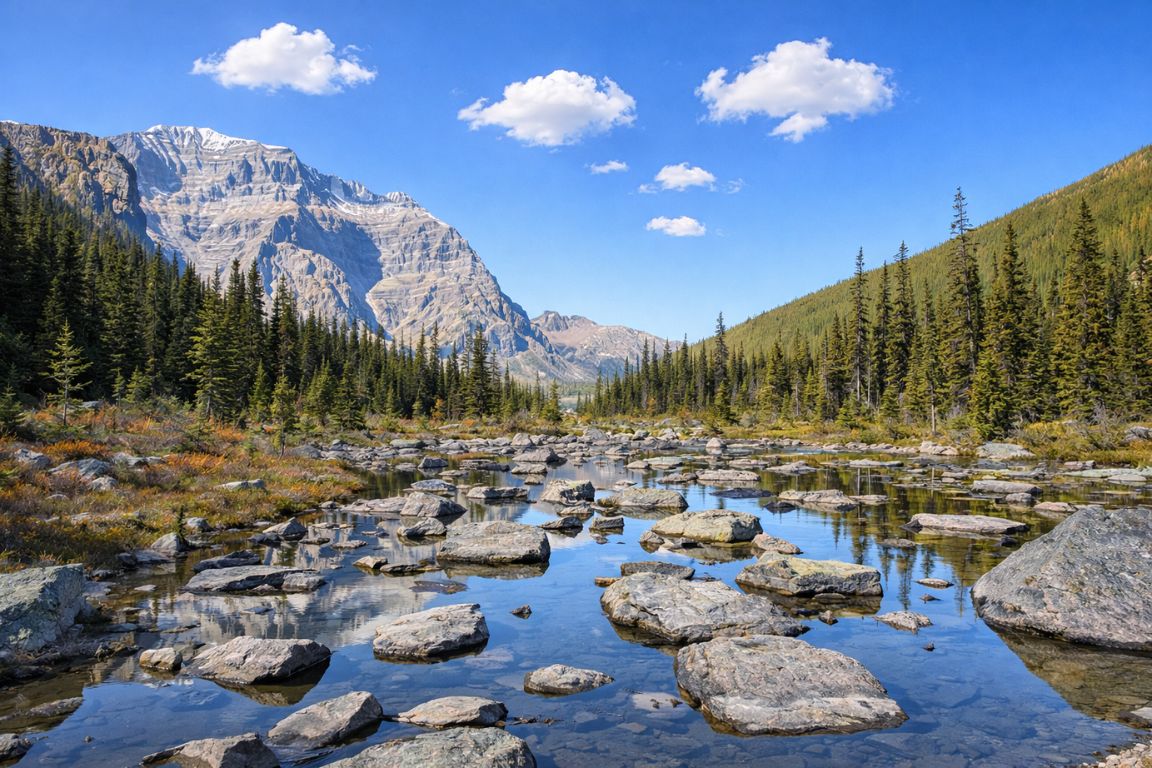 The three most common problems we see are showing up to Moraine Lake without a shuttle reservation and being turned away, starting hikes too late in the day to finish safely, and underestimating the elevation gain on “moderate” trails that start easy and get hard in the final third. All three are avoidable with a bit of advance planning and honest self-assessment.
The Moraine Lake situation deserves plain language. As of June 2023, personal vehicles cannot access Moraine Lake Road at all. You must book a Parks Canada shuttle at reservation.pc.gc.ca, or use a commercial operator. Shuttle reservations open April 15 each year at 8 am Mountain Time and popular dates sell quickly. The 60% of seats released on a rolling 48-hour window are real, but on peak September weekends they go within minutes of opening. If Moraine Lake is on your list, treat the shuttle booking like it’s a flight. You wouldn’t show up at the airport hoping for a last-minute seat.
Shuttle sold out? Commercial operators are still allowed on Moraine Lake Road. The Lake Louise and Moraine Lake tour includes that access from Calgary, Canmore, or Banff.
The timing mistake is subtler. The crux of most Banff hikes comes late in the route, after 2-3 hours of walking when you’re already tired. Sentinel Pass is easy for the first hour. So is Saddleback. Starting at 10 or 11 am sounds reasonable until you’re an hour from the trailhead at 6 pm with the light going. A 7 am start is not early for Banff in July. It’s normal.
The gear mistake is related to something else entirely: people browsing Instagram photos of Banff hikes without reading the trail details. A flat-looking photo of Larch Valley doesn’t communicate the 570 m of elevation gain to get there. Consolation Lakes genuinely is flat. Sentinel Pass is not. Read the AllTrails entry, note the elevation gain number, and ask yourself honestly whether your legs have done that before.
What We See From Our Guided Groups Every Season
After guiding over 8,600 travelers through Banff National Park since 2014, certain patterns repeat themselves. This isn’t data from a survey. It’s from watching groups on these trails year after year.
| Most underestimated trail | Sentinel Pass via Larch Valley | The switchbacks to the pass feel manageable at the bottom; they are not at the top |
| Most overestimated difficulty | Plain of Six Glaciers | Long but not steep; anyone with reasonable fitness can reach the teahouse |
| Most common gear miss | No wind layer in July | Alpine exposed sections get cold fast; a softshell or fleece weighs nothing |
| Most regretted skip | Pushing past the teahouse on Six Glaciers | The Abbot Pass viewpoint is the whole reason to do the hike |
| Best timing secret | Johnston Canyon after 6 pm in summer | Light is better, crowds are half, and the falls feel completely different |
| Most requested repeat experience | Larch Valley in late September | People who do it once come back and book the same week every year |
Which Banff Trails Require Permits Or Reservations?
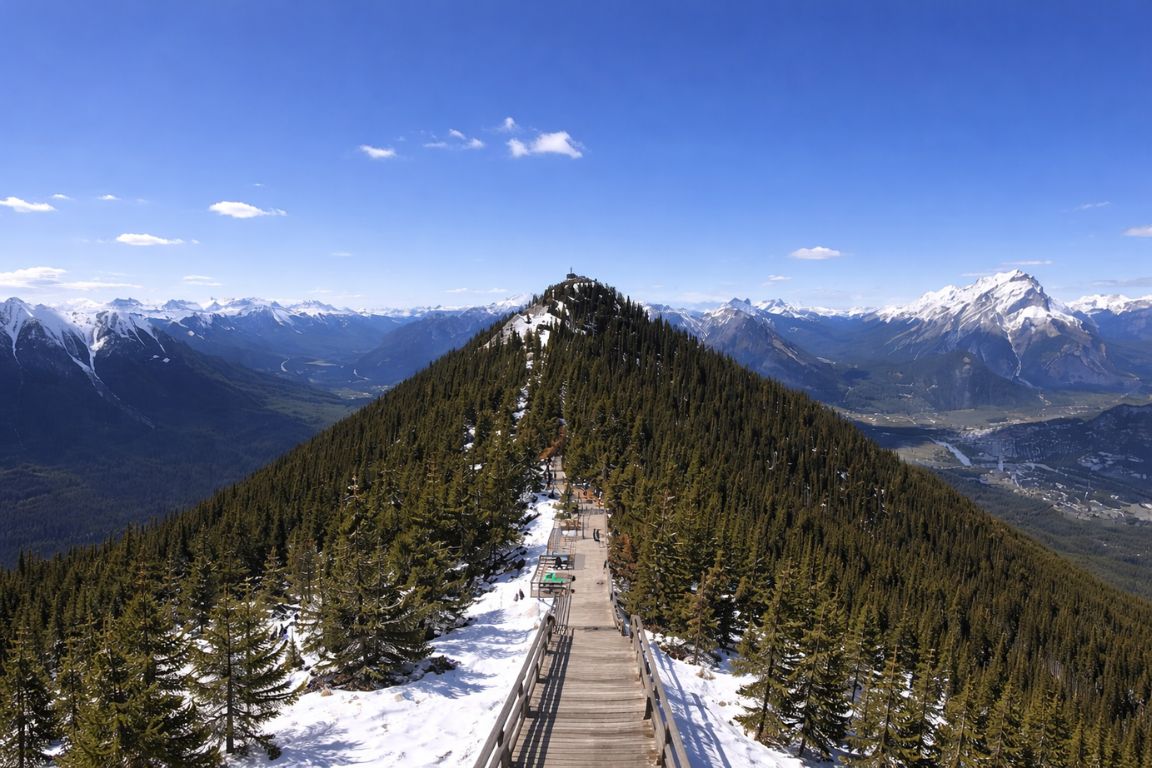 Most day hikes in Banff require only a valid park pass, not a separate trail permit. The main exception is access logistics: Moraine Lake requires a shuttle reservation booked at reservation.pc.gc.ca (open April 15, 2026). Backcountry camping requires a wilderness permit. Some heavily trafficked trailheads in the Sunshine Meadows area have seasonal shuttle access from the ski resort base.
The park pass itself is not optional for any visitor. A daily adult pass runs CAD $12.25. The annual Discovery Pass, at CAD $83.50, covers all Parks Canada national parks and pays for itself in roughly seven days of visiting. Youth 17 and under are free year-round. Note that from June 19 to September 7, 2026, admission to Banff National Park is completely free for all visitors under the Canada Strong Pass initiative.
For the Moraine Lake shuttle specifically, the Parks Canada shuttle costs CAD $8 return per adult and includes the Lake Connector shuttle between Moraine Lake and Lake Louise. Commercial operators like Moraine Lake Bus Company run from CAD $59 per person for the Moraine Lake route. Both require advance booking. There is no cell service at Moraine Lake, so download your tickets before you leave Lake Louise village.
Backcountry overnight trips need a wilderness pass, bookable through the Parks Canada reservation system. Day hikers on all trails mentioned in this article, including Sentinel Pass, Plain of Six Glaciers, and Sulphur Mountain, only need their park pass.
How Do You Pick The Right Banff Trail For Your Group?
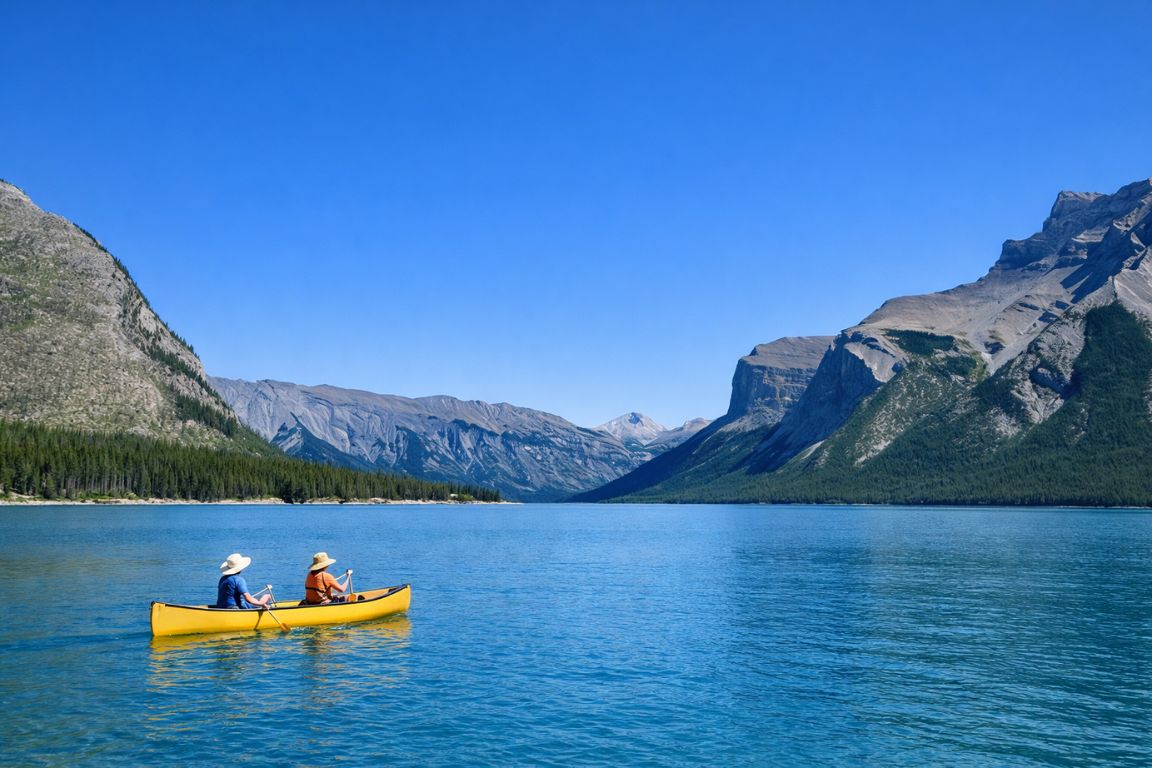 Match the trail to the least fit member of your group, not the most enthusiastic. For families with young children, Johnston Canyon and Consolation Lakes are realistic. For mixed fitness groups, Lake Agnes to the teahouse (skipping Big Beehive) works for most adults. Sentinel Pass and Plain of Six Glaciers require a full day and genuine fitness. Nobody has ever regretted picking a shorter trail. Plenty of people have regretted the other direction.
Elevation gain is the number that actually matters, not trail length. Consolation Lakes is 6 km return with 65 m of gain. It feels like a walk. Sentinel Pass is 11.6 km with 725 m of gain. It feels like a workout the next day. Both numbers are in the official trail descriptions. Use them.
For groups with seniors or children, the lower canyon at Johnston, the Moraine Lake lakeshore, and the Lake Minnewanka shoreline all offer genuine park experiences without the elevation commitment. None of these feel like consolation prizes. The Bow River Loop near downtown Banff is a flat riverside walk with mountain views that many people rank among their favourite memories from the trip.
If your group has a range of abilities, consider splitting up. The Lake Agnes teahouse works as a meeting point. Half the group hikes to it from below while stronger hikers continue up to Big Beehive. You reunite for tea. It’s genuinely how many of our guided groups spend the day, and it tends to be one of the sessions people talk about longest afterward.
Not sure if your kids are ready for mountain hiking? Our guide on Banff National Park tours with kids covers age-appropriate trails, engaging activities, and how to make it fun instead of just exhausting.
Not sure where your group fits on the fitness scale, or dealing with a mixed group where some members haven’t hiked seriously before? Questions before you book? Avery and the team answer them daily. See the current tour list.
Frequently Asked Questions
Do I need bear spray for hiking in Banff?
Yes. Bear spray is required on all wilderness trails in Banff National Park. Both grizzly and black bears are present throughout the park, including at lower elevations around popular trailheads. Carry it on the outside of your pack where it’s accessible within seconds. Bear spray is available at visitor centres and outdoor retailers in Banff and Lake Louise.
Can I drive to Moraine Lake?
No. As of June 1, 2023, personal vehicles are no longer permitted on Moraine Lake Road. Access is by Parks Canada shuttle (reservation.pc.gc.ca), Roam Transit Reservable Super Pass, or approved commercial tour operators. Visitors with a government-issued accessible parking placard are exempt. Shuttle reservations for 2026 open April 15 at 8:00 am MT.
When is the best time to see larch trees in Banff?
Peak larch color in Banff typically runs from September 20 to October 5, though it shifts by a few days each year depending on temperatures. The third week of September is the most reliable target. Larch Valley above Moraine Lake is the most famous location, but larches also appear along the Plain of Six Glaciers trail, around Lake Agnes, and on the Saddleback Pass trail.
What is the easiest hike in Banff for beginners?
Johnston Canyon to the Lower Falls (2.2 km return, minimal elevation gain) is the most accessible trail in the park for beginners. The Moraine Lake Lakeshore trail (3 km, flat) and the Bow River Loop near downtown Banff are also suitable for any fitness level. All three deliver genuine mountain scenery without requiring hiking experience.
How much does it cost to hike in Banff?
A daily park pass is required for all visitors. Adult daily rate: CAD $12.25. Annual Discovery Pass: CAD $83.50 for an adult, CAD $167.50 for a family/group of up to seven. Youth 17 and under are always free. From June 19 to September 7, 2026, all admission is free via the Canada Strong Pass initiative. The Moraine Lake shuttle costs an additional CAD $8 return per adult. Prices verified March 2026.
Is hiking in Banff safe for solo travelers?
Most day hikes in Banff are safe for solo travelers with proper preparation. Always tell someone your planned route and expected return time. Some heavily trafficked wildlife areas around Moraine Lake carry signs recommending groups of four or more due to bear activity. Carry bear spray and a satellite communication device since cell coverage is unreliable throughout much of the park. Banff Dispatch: 403-762-1470.
Written by Avery Claire Thompson
Canadian tour guide since 2014 · Founder, Banff National Park Tours
Avery has guided over 8,600 travelers through Banff National Park and the Canadian Rockies since founding the agency.
Match A Banff Trail Day
Compare a guided day with the independent options in this guide. Confirm your date and meeting point before booking.
Match These Options To Your Trip
 Our Starting Recommendation
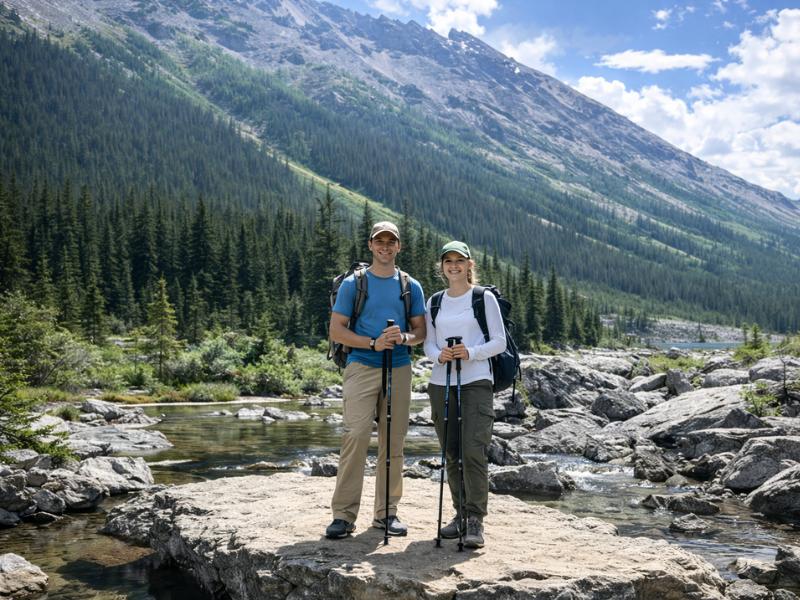
Guided Signature Hike With Lunch
Spend the day on a named mountain trail with a guide, transport and lunch.
7 hours · English
Banff hotel pickup or the listed Mount Royal Hotel meeting point.
Certified guide, picnic lunch, hiking poles and transport. Teahouse purchases extra.
Ages 13+. Route depends on weekday and conditions. The Larch Valley route does not reach the top of Sentinel Pass.
Choose A Guided Hike ↗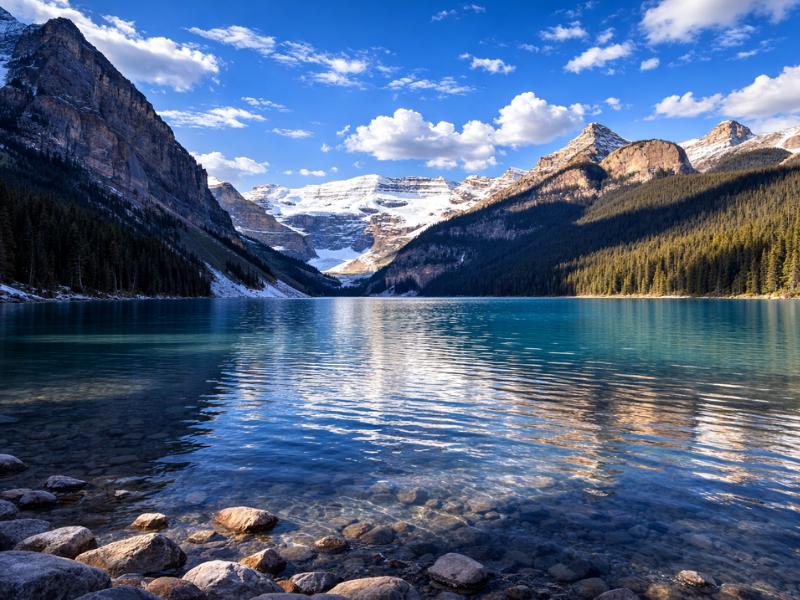 A Different Way To Spend The Day
Lake Louise And Moraine Lake Day Tour
Link the two lakes without organising separate transport.
8–10 hours · English
Pickup in Calgary, Canmore or Banff; confirm the selected meeting and end points.
Guide, transport and listed lake access. Meals and personal expenses extra.
No wheelchair access. Bring your own child seat for children under 7. Moraine Lake is seasonal.
Visit The Two Lakes ↗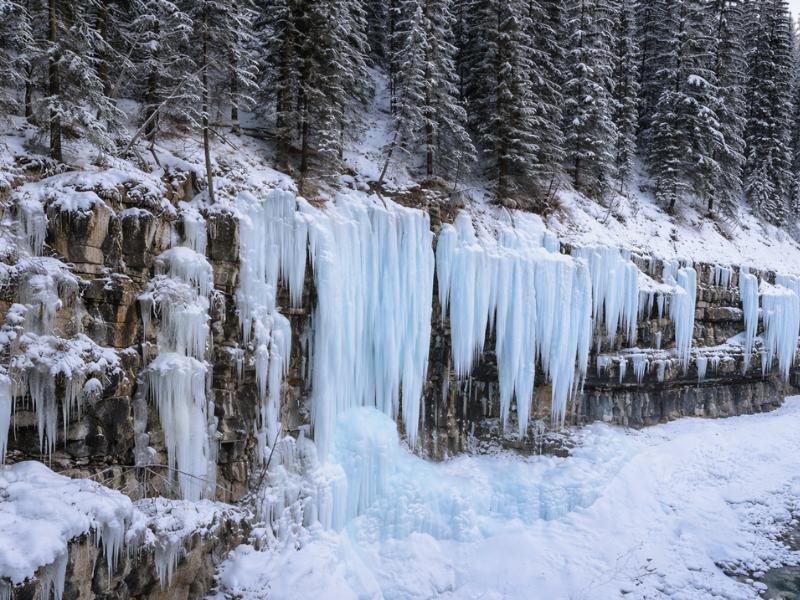 A Different Way To Spend The Day
Johnston Canyon Guided Icewalk
Walk to frozen waterfalls with a guide, ice cleats and poles provided.
4 hours · English
Banff pickup; confirm the listed morning or afternoon meeting time.
Guide, transport, ice cleats, poles, hot chocolate and cookie. Tips extra.
Ages 8+. A 5.4 km round trip with 135 m elevation gain. Moderate fitness and your own winter clothing needed.
Walk The Frozen Canyon ↗No choices needed to use the recommendations above.
Work Out The Cost For Your Group
Enter complete quotes in CAD for the same people, date and itinerary. Include transport, parking, entry, food and any other extras on both sides. For shared versus private, enter the shared total first and private total second.
Use current quotes; no prices or savings are assumed.
Turn Your Plan Into A Day Out
Check the exact weekday route before booking the signature hike; its Larch Valley day does not include the Sentinel Pass summit.
Your Next StepGuided Signature Hike With Lunch
Spend the day on a named mountain trail with a guide, transport and lunch.
7 hours · English
Banff hotel pickup or the listed Mount Royal Hotel meeting point.
Certified guide, picnic lunch, hiking poles and transport. Teahouse purchases extra.
Ages 13+. Route depends on weekday and conditions. The Larch Valley route does not reach the top of Sentinel Pass.
Choose A Guided Hike ↗Choose Your Date
Guided Signature Hike With Lunch
Open the provider’s calendar to select your date, party and departure. Availability and prices are confirmed there.
Dates On GetYourGuide
Guided Signature Hike With Lunch
Choose a date and party to see current options. Confirm the meeting point and restrictions on the listing.
More Banff Sightseeing On Viator
Browse the site’s original Viator selection of Banff day tours, wildlife outings and lake excursions. These are additional ideas, not matches to the trip form. Check dates, duration, pickup and suitability on each listing.
Open The Recommended Outing ↗