Lake Louise Complete Guide
Lake Louise in Banff is open year-round, with peak turquoise color July-August. Parking requires early arrival or a shuttle reservation - here’s how to plan it.
The lakes day tour removes parking and access planning, while the guided hike is the better fit for readers whose priority is trail time rather than a scenic stop. Choose Your Lake Louise Day
Lake Louise sits at 1,600 metres in Banff National Park, roughly 60 km northwest of the town of Banff. The lake is open and accessible year-round; peak summer colour runs July through August. In summer, driving and parking at the lake requires either booking a Parks Canada shuttle reservation in advance or arriving before 6 am. Shuttle reservations for 2026 open April 15 at 8 am MDT. A national park day pass ($12.25/adult) and shuttle ticket ($8/adult in 2025, 2026 pricing pending) are separate costs – you need both. The best hiking is June through early October, with the Plain of Six Glaciers and Lake Agnes trails starting right from the lakeshore.
Your Experience Plan: Choose the shared lakes day for access logistics, the guided hike for a full trail day, or Parks Canada shuttles for the independent plan.
Lake Louise: Quick Facts
| Location | Banff National Park, Alberta, Canada – 60 km northwest of Banff townsite |
| Elevation | 1,600 m (5,249 ft) at the lake; hamlet sits at 1,540 m |
| Park Day Pass (Adult) | $12.25 CAD – Prices verified March 2026 (Parks Canada) |
| Park Day Pass (Family/Group) | $24.50 CAD (up to 7 people in one vehicle) |
| Discovery Pass (Annual, Adult) | $83.50 CAD – covers 80+ Parks Canada sites for 12 months |
| Lakeshore Parking Fee | $42/vehicle/day (May 15 to Oct 12, 2026) – separate from park pass |
| Shuttle Ticket (2025 price) | $8/adult, $4/senior, free under 18 – 2026 pricing not yet announced |
| Shuttle Reservations Open | April 15, 2026 at 8:00 am MDT |
| Shuttle Season | Lake Louise: mid-May to mid-Oct; Moraine Lake: June 1 to mid-Oct |
| Shuttle Frequency | Every 30 minutes, 6:30 am to 6:00 pm; last return 7:30 pm |
| Park and Ride Location | Lake Louise Ski Resort, 1 Whitehorn Rd (FREE parking, 2,000 spaces) |
| Lake Thaws | Late May to mid-June (varies by year) |
| Peak Colour | July and August |
| Youth Admission | Free (17 and under) |
| Day Pass Expiry | 4:00 pm the next day |
Note: Parks Canada has announced free admission (Canada Strong Pass) from June 19 to September 7, 2026. Camping and overnight fees receive a 25% discount during this period. Day pass fees apply outside these dates.
What Makes Lake Louise Different From Every Other Lake In The Rockies?
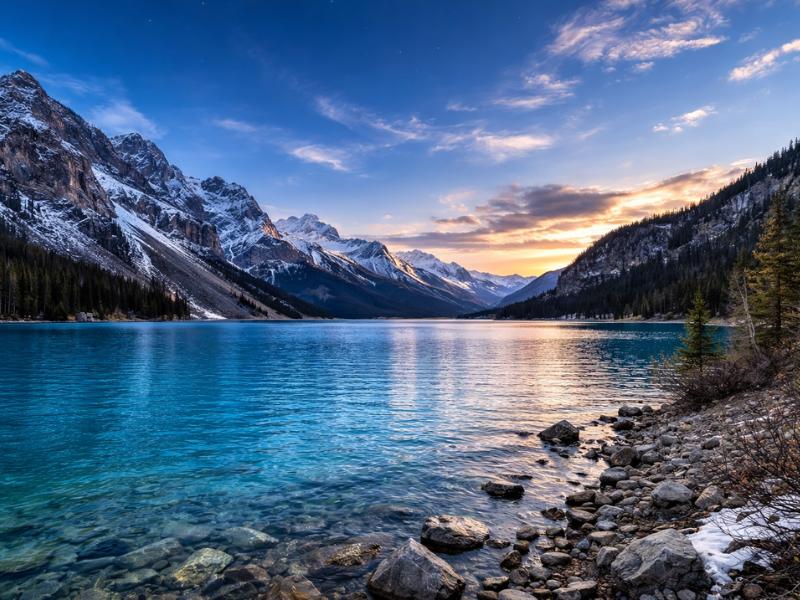
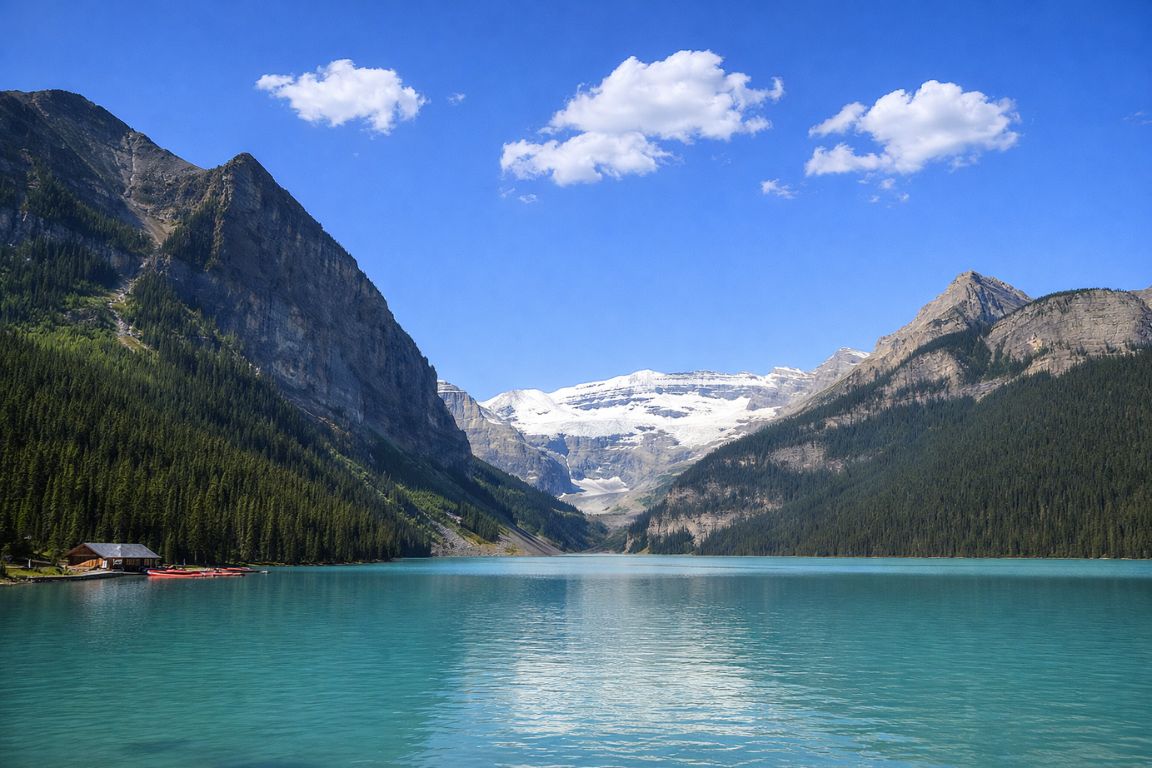 The colour is real, and the science behind it is stranger than most people expect. Lake Louise gets its turquoise-to-jade hue from microscopic rock particles, called rock flour or glacial silt, produced when the Victoria Glacier grinds bedrock into powder. That flour suspends in the meltwater, scatters incoming sunlight, and reflects back the blue-green wavelengths we see. Bluer in spring, greener and more saturated in mid-summer when glacier melt peaks. The colour changes with the light, the time of day, and the wind on the water.
Stand at the lakeshore at 6 am in July, with no one else around, and the water looks painted. Flat, windless, reflecting the ridgeline of Mount Victoria like a mirror. Then the morning hikers arrive and the canoes go out and the surface breaks up into ripples that scatter the colour into something less perfect but more alive. Both versions are worth seeing. Most visitors only catch one.
What separates Lake Louise from other stunning lakes in the Rockies – Peyto, Bow, Emerald – is the full package. The Fairmont Chateau sits right at the edge of the water, which gives the scene a scale and a human anchor that purely wild lakes don’t have. You can stand in front of a 19th-century hotel and look at a glacier that has been there for millennia. That collision of the grand and the ancient is specific to this place.
The lake also sits in a hanging valley, elevated above the Bow Valley floor, which means the peaks around it feel closer and steeper than they actually are. Mount Victoria’s summit is 3,464 metres. The vertical rise visible from the lakeshore, from water to glacier to summit, is about 1,800 metres of exposed rock and ice. On a clear morning in August, it’s one of the more arresting views in North America.
There’s also the history. Tom Wilson, a Canadian Pacific Railway survey worker, reached the lake in 1882 and named it Emerald Lake – later renamed to honour Princess Louise Caroline Alberta. By 1912, 50,000 visitors a year were registering at the small lakeshore cabin that would grow into the Chateau. In 1897, the first recorded mountaineering fatality in North America happened on nearby Mount Lefroy, which prompted the CPR to import Swiss guides. Their influence is still visible in the two teahouses above the lake, built to European alpine standards.
When Is The Best Time To Visit Lake Louise?
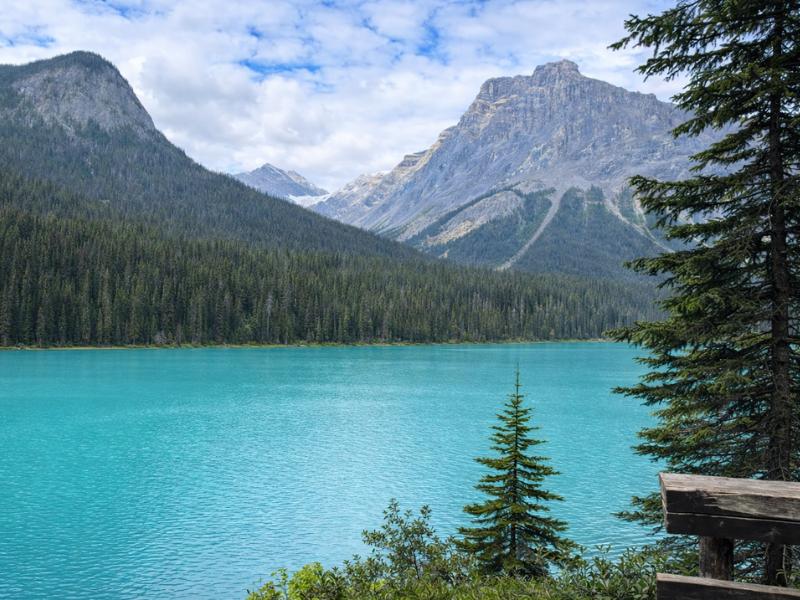
July and August deliver peak colour and full trail access, but also the largest crowds and sharpest parking pressure. Late June is the sweet spot: the ice is gone, the turquoise is building, and the shuttle system is running – with noticeably fewer people than high summer. September earns particular praise from returning visitors for the golden larch season, cooler temperatures, and thinning crowds. Winter, December through March, is a completely different experience: a frozen lake, an ice-skating rink, and a ski resort that runs to 3,000 metres.
The lake doesn’t thaw until late May to mid-June, sometimes as late as June 22 in a cold year. A visitor arriving in late May expecting turquoise water may find a grey sheet of ice. That’s not a bad visit – just a different one. The surrounding peaks are still white, wildlife is active at lower elevations, and the trails around the lakeshore are walkable.
Here’s the honest breakdown by window:
| Late May | Ice or just thawing | Low | Lakeshore only | Peaceful shoulder visit |
| June | Building turquoise | Moderate | Most trails opening | Best value window |
| July-August | Peak intensity | High | Full access | Max colour, all hikes open |
| September | Still vivid | Falling fast | Full; larches by late Sep | Golden larches, cooler hiking |
| October | Fading; lake refreezes late Oct | Low | Closing seasonally | Solitude seekers |
| Dec-March | Frozen solid | Moderate (ski season) | Winter routes only | Ice skating, skiing, snowshoeing |
Tour buses begin arriving after 8 am in summer. Before that, the lake is yours. After 8 pm in July, when the light goes low and warm and the canoes are docked, it’s yours again. The midday window – 9 am to 6 pm, particularly on weekends in July – is when the parking lots overflow and the lakeshore path feels like a city sidewalk. Plan around that window or accept it and focus on the upper trails, where crowds thin sharply above the first kilometre.
One note that most guides skip: the colour is most saturated on bright, windless mornings in late July and August, when rock flour concentration in the meltwater is highest and there’s no rippling to scatter the reflection. An overcast July day produces a greener, flatter-looking lake than a clear June morning. If photography is a priority, check the forecast and target a sun-and-calm morning.
Planning ahead? Our guide to the best time to visit Banff National Park tours breaks down summer chaos versus shoulder season calm and what you’ll actually experience each month.
What Are The Best Hikes At Lake Louise For Every Fitness Level?
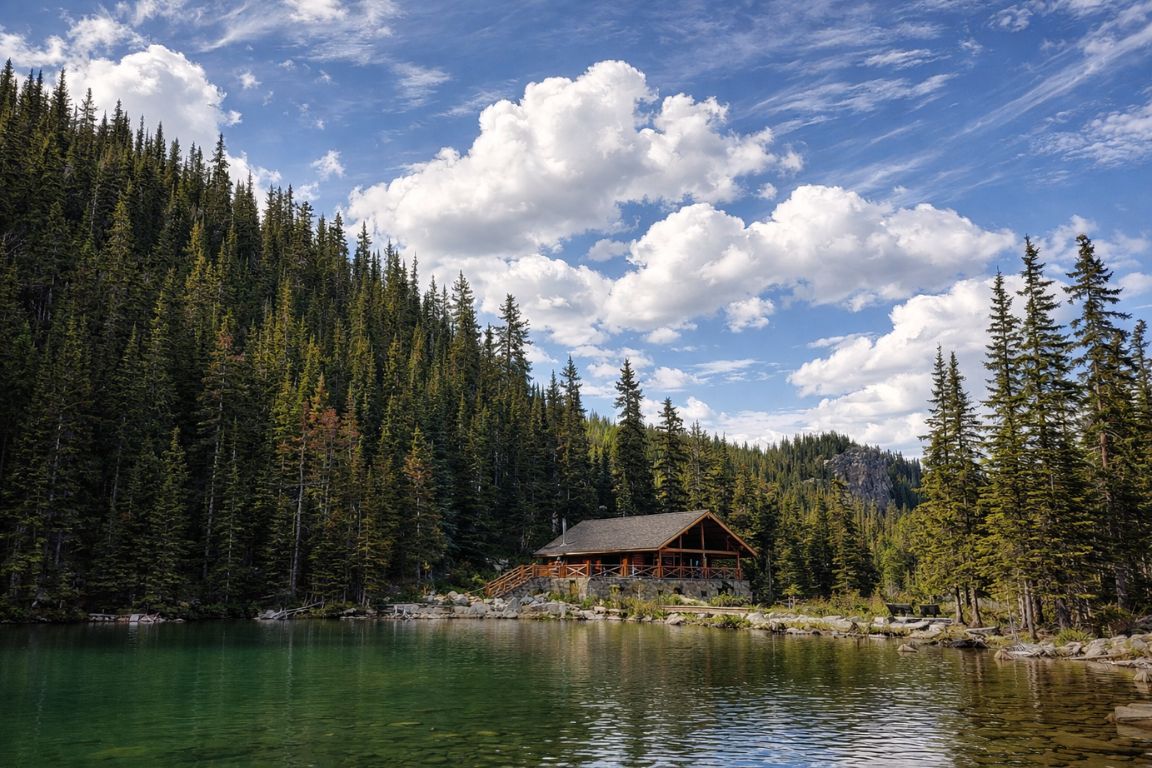 Every major hike at Lake Louise starts from the same lakeshore trailhead, which means you make your decisions as you go. The lakeshore trail is flat, paved, and accessible – 3.2 km return. Lake Agnes adds 3.5 km and 385 m of elevation for a teahouse reward. The Plain of Six Glaciers extends another 5.8 km one-way with 595 m gain for views of active glaciers. The Big Beehive, accessible from Lake Agnes, adds 1.6 km each way for the best elevated view of the lake. Strong hikers combine everything into a full loop of 14.6 km or more.
Here’s the trail breakdown in plain terms:
| Lake Louise Lakeshore | 3.2 km | Minimal | Easy (paved) | Iconic lake view, glacial silt beach at far end |
| Lake Agnes Teahouse | 7.0 km | 385 m | Moderate | Alpine lake, historic 1901 teahouse, Mirror Lake |
| Big Beehive | 11.0 km (from LL) | 520 m | Moderate-Hard | Best overhead view of Lake Louise |
| Plain of Six Glaciers | 14.2 km | 595 m | Moderate | Active glacier views, remote teahouse, Abbot Pass viewpoint |
| Full Loop (both teahouses + Big Beehive) | 14.6-20+ km | 700-1,000+ m | Strenuous | Complete lake valley circuit – the best day hike in the Rockies |
The Plain of Six Glaciers is the trail we recommend to people who say they want “the real Lake Louise.” The first two kilometres along the lakeshore are as easy as a walk gets. Then the moraine begins and the trail angles up through a valley that narrows until the peaks close in on both sides. By the time you reach the teahouse – a wooden structure that appears improbably against all that grey rock – you’ve walked away from the tour bus crowd and into something quieter. The views of Victoria Glacier from the Abbot Pass viewpoint, 1.5 km above the teahouse, are what the photographs can’t prepare you for.
The Lake Agnes Teahouse hike is the more popular route. It’s also mostly forested until you emerge at Mirror Lake, which surprises people who expected views the whole way. The payoff is real – Lake Agnes is beautiful and the teahouse has been serving tea and baked goods since 1901, with no road access. Cash only; arrive before 10 am or after 2 pm to avoid the longest waits.
The Highline Trail connects the two teahouses, making the full loop possible. We’ve done this loop hundreds of times with clients. The sequence that works best: start at the Plain of Six Glaciers, return via the Highline to Big Beehive and down to Lake Agnes, then back to the lakeshore. You end facing the lake from above before descending back to it. Allow 7 to 9 hours for the full circuit. Bring more water than you think you need, real food, and layers – the wind above the teahouses is indifferent to the weather forecast in the valley below.
Wondering where to hike? Check out our breakdown of the best hiking trails in Banff National Park tours – from easy lakeside walks to alpine scrambles that require early starts.
Do You Need A Shuttle Or Reservation To Visit Lake Louise?
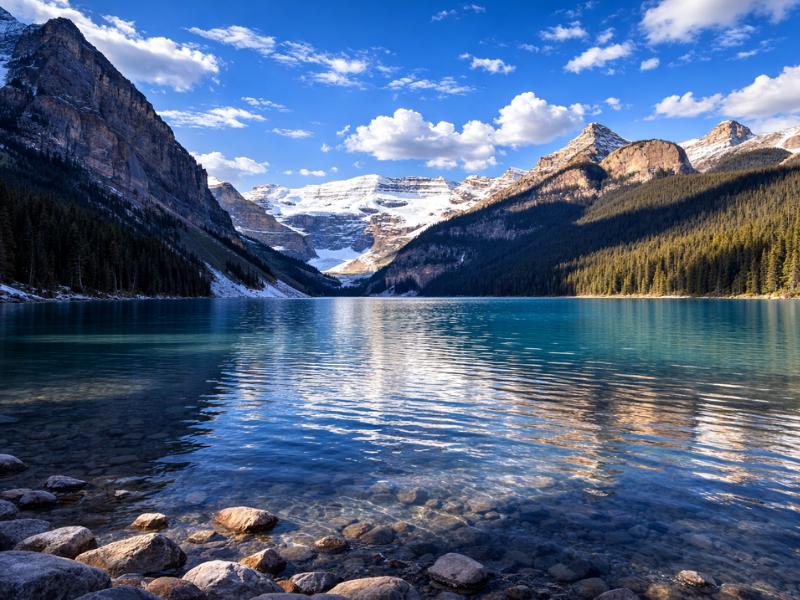
In summer – roughly mid-May through mid-October – yes, you effectively need to plan around the shuttle system. The lakeshore parking lot fills before sunrise on busy days, charges $42 per vehicle per day on top of your park pass, and will turn vehicles away when full. The Parks Canada shuttle is the most reliable solution: reserve a spot at reservation.pc.gc.ca, park free at the Lake Louise Ski Resort Park and Ride, and a bus takes you to the lakeshore every 30 minutes. One shuttle ticket also covers the Lake Connector to Moraine Lake. Shuttle reservations open April 15, 2026.
This is the logistics section that trips up more visitors than anything else. Here’s how the system actually works:
The Park and Ride is at the Lake Louise Ski Resort off Whitehorn Road, about 5 km from the lake. Parking there is free and the lot holds 2,000 vehicles. You check in, show your boarding pass, and take the shuttle to either Lake Louise lakeshore or Moraine Lake. Your reservation includes the Lake Connector shuttle between the two lakes, so you can see both in a single day without returning to your car. One ticket for two lakes is the system working as intended.
The booking details: 40% of daily shuttle seats open for reservation on April 15, 2026 at 8 am MDT – this is when the crowd rushes in, and popular dates in July sell out fast. The remaining 60% of seats release on a rolling 48-hour window throughout the season, also at 8 am MDT. If you miss the April opening, check back 48 hours before your target date. You’ll need a Parks Canada account at reservation.pc.gc.ca before you can book – create it in advance, not the morning of. There is a non-refundable $3.50 booking fee per reservation (not per ticket).
What happens if you don’t book: you can show up at the Park and Ride and Parks Canada staff will try to fit you on if space remains. By 9 am on a peak summer day, there typically isn’t any. Early Alpine Start shuttles at 4 am and 5 am operate specifically for those who want Moraine Lake at sunrise – these depart from the Lake Louise Lakeshore parking lot, not the Park and Ride.
Curious about visiting? Here’s our complete Moraine Lake travel guide covering the essentials most people only learn after they’ve been turned away from the closed road.
Winter visitors have none of these constraints. The shuttle system runs from mid-May to mid-October. Outside that window, you drive directly to the lakeshore and park for free.
If you'd rather not assemble the Parks Canada reservation yourself, the Lake Louise and Moraine Lake tour includes transport from Calgary, Canmore, or Banff and visits both lakes in one day.
Where Should You Stay Near Lake Louise?
Lake Louise village is a hamlet, not a town. There are three hotels at or near the lake, a hostel, and a campground. The Fairmont Chateau Lake Louise is directly on the water and offers complete convenience – guests can park at the hotel and walk to the lakeshore – but rates start above $1,000 CAD per night in peak summer. The Mountaineer Lodge and Lake Louise Inn sit in the village, 4 km from the lake, at significantly lower prices. Most visitors base themselves in Banff (40 minutes away) and make Lake Louise a day trip, which is the practical choice for most budgets.
The case for staying at the lake rather than in Banff is real but narrow. If you want to see the lake at 5 am, when the light is low and no one else is there, staying lakeside is the only reliable way to do it without a 3 am wake-up in Banff. Fairmont guests also have one significant logistical advantage: they can drive directly to the hotel and park, bypassing the shuttle system entirely, even in summer.
| Fairmont Chateau Lake Louise | At the lakeshore | $1,000-$1,500+ CAD/night | Full splurge; direct lake access |
| Post Hotel & Spa | Lake Louise Village | $500-$900 CAD/night | Boutique luxury, renowned dining |
| Lake Louise Inn | Lake Louise Village | $250-$450 CAD/night | Mid-range, multiple room types |
| Mountaineer Lodge | Lake Louise Village | $200-$350 CAD/night | Budget-conscious base at the lake |
| HI Lake Louise Alpine Centre | Lake Louise Village | $50-$120 CAD/night | Hostel; solo and budget travelers |
| Lake Louise Campground | Near Village | $34-$40 CAD/night | Tent/RV camping; book early on reservation.pc.gc.ca |
| Banff Townsite Hotels | 40 min drive | $200-$600+ CAD/night | Most choice, best dining/amenities |
The honest advice we give clients: unless you’re staying at the Fairmont or the Post Hotel, base yourself in Banff. The Lake Louise village has limited dining, limited shops, and the same shuttle logistics as everyone else for the lake itself. The 40-minute drive is easy. You gain access to Banff’s full range of restaurants, activities, and services without the premium Lake Louise accommodation costs.
What Does It Actually Cost To Visit Lake Louise?
A day visit for two adults in summer 2026 runs roughly $80-$160 CAD all-in, depending on how you get there. The main variables are: park pass ($24.50/day for two adults), shuttle or parking ($16/two adults shuttle, or $42/vehicle to drive and park), food, and any activities like canoe rental. Use current Parks Canada prices to compare daily admission with an annual Discovery Pass for the same party. At the adult prices listed here, the annual pass starts to cost less on the seventh paid day. Choose the pass after counting the days when admission is payable.
| Park Day Pass – Adult | $12.25 | Prices verified March 2026 (Parks Canada official fees page) Free admission June 19-Sep 7, 2026 (Canada Strong Pass) |
| Park Day Pass – Senior (65+) | $10.75 | |
| Park Day Pass – Youth (under 18) | Free | |
| Park Day Pass – Family/Group (up to 7 in one vehicle) | $24.50 | |
| Discovery Pass – Adult (annual) | $83.50 | Covers 80+ Parks Canada sites for 12 months |
| Discovery Pass – Family/Group (annual) | $167.50 | Compare daily admission with the annual pass after counting paid days; at these family prices, the annual pass costs less from the seventh paid day. |
| Lakeshore Parking Fee | $42/vehicle/day | May 15-Oct 12; pay-by-plate system at lot kiosks |
| Parks Canada Shuttle – Adult (2025 price) | $8 | 2026 pricing not yet announced; includes Lake Connector to Moraine Lake |
| Parks Canada Shuttle – Senior (2025 price) | $4 | Reservation booking fee: $3.50 non-refundable per reservation |
| Parks Canada Shuttle – Youth | Free | |
| Roam Route 8X (Banff to Lake Louise) | $12.50/adult one way | Daily year-round; children under 12 free |
| Roam Reservable Super Pass (full day) | $30/person | Unlimited all Roam routes + Parks Canada Lake Connector access |
| Canoe Rental (Fairmont Boathouse) | ~$180 CAD/hour | Seasonal; cash or card |
| Lake Agnes Teahouse lunch/tea | $15-$30/person | Cash only; supply carried in by horse |
One detail that catches people out at the gate: your park day pass and your shuttle ticket are entirely separate purchases. Paying for the shuttle does not get you into the park. Paying for the park pass does not get you on the shuttle. You need both. The day pass also expires at 4 pm the following day, so if you buy it late afternoon and return the next morning, you’re covered.
If you’re trying to figure out what you’ll actually spend, here’s our breakdown of Banff National Park tours travel costs so you don’t get blindsided by how expensive everything is.
What Do First-Time Visitors To Lake Louise Always Get Wrong?
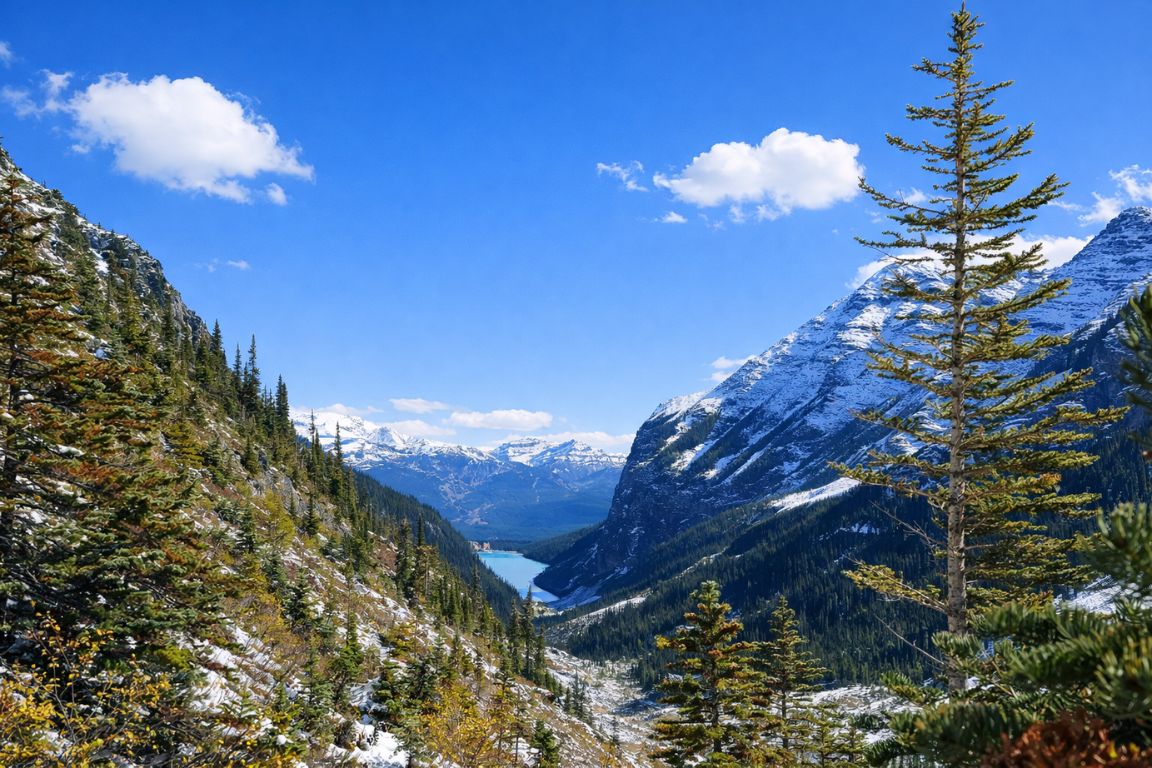 The three most common failures are: arriving without a shuttle reservation in peak summer and being turned away, underestimating how cold the upper trails are regardless of valley temperatures, and treating the lakeshore walk as the whole experience. The visitors who leave most satisfied generally book a shuttle reservation weeks in advance, wear real hiking boots (not sandals), bring an extra layer, and walk at least to Lake Agnes. The visitors who leave frustrated usually drove without a plan and spent two hours in traffic before seeing the lake for 20 minutes.
We’ve guided enough groups through this area to know exactly where the trips go sideways. Here are the patterns:
The shuttle surprise. Visitors assume they can just show up. In July, the lakeshore parking lot fills before sunrise and Parks Canada turns vehicles away from the lot throughout the morning. The shuttle Park and Ride has 2,000 spaces, but without a reservation, shuttle seats are gone by 9 am on peak days. The 60% of seats released 48 hours in advance helps – but that 8 am MDT release window is competitive for popular dates. Set a calendar reminder for two days before your target date, or secure your spot when the season opens April 15.
Weather blindness. The valley below can be 24°C. The wind on the Plain of Six Glaciers or above Lake Agnes is not the same weather. Multiple times per season we encounter hikers at the upper teahouses in T-shirts and flip-flops, visibly cold and miserable, because the forecast said “warm and sunny.” Bring a packable wind layer, always. Conditions above the treeline change in minutes.
The 20-minute mistake. A significant portion of Lake Louise visitors walk 50 metres from the shuttle drop-off, take photos, and leave. That is a perfectly valid choice. But the lake reveals itself differently the further you go. The far end of the lakeshore trail has a glacial silt beach where you can see the Chateau and the full mountain backdrop – a much less photographed angle that most visitors never reach. The teahouses above are a different world. You don’t have to be a serious hiker to earn a better version of this place. You just have to keep walking.
Cash for the teahouses. Both the Lake Agnes and Plain of Six Glaciers teahouses are cash only. The supply runs on horseback. There are no payment machines, no cell service, and no ATMs above the trailhead. Plan ahead or arrive thirsty.
Combining both lakes in one day without enough time. The Lake Connector shuttle makes visiting both Lake Louise and Moraine Lake in a single day possible, and it’s one of the best days you can have in Banff. But if you’re also planning a serious hike, one lake per day is a better plan. Trying to do the Plain of Six Glaciers and Moraine Lake and both lakeshore trails in one summer day leaves you rushing all of them.
Permit windows and crowd patterns have shaped these trips since 2014. The Lake Louise and Moraine Lake tour is one way to visit without assembling the timing yourself.
What Our Guided Groups Actually Experience: Data From 8,600+ Travelers
Based on our guided client groups over more than a decade at Lake Louise, some clear patterns have emerged about what separates a great visit from a frustrating one. These observations come from post-trip debrief conversations with the travelers we’ve guided.
| Travelers who hiked beyond the lakeshore rating visit “exceeded expectations” | 80-90% |
| Travelers who only did the lakeshore walk rating visit “met expectations” | 55-70% |
| Groups who arrived without shuttle reservations and were delayed 1+ hours | 30-45% of non-guided summer visitors |
| Travelers who wished they had allocated more time at Lake Louise | 65-80% |
| Visitors who visited September vs. July rating it “less crowded than expected” | September: 75-85% / July: 15-25% |
| Travelers who combined both Lake Louise and Moraine Lake in one day rating it “worth it” | 85-95% |
The consistent thread: time is the main variable. The visitors who feel the day was too short almost always spent at least some of it stuck in logistics. The visitors who left satisfied had their transportation handled and spent their hours on the water and trails, not in parking lots.
Is A Guided Tour Of Lake Louise Worth It?
For first-time visitors, solo travelers, and anyone who would rather spend mental energy on the landscape than on logistics, yes – a guided tour is worth the cost. A guided lakes day handles its listed transport and lake access. Confirm whether park admission is included for the selected option, and buy any required pass separately when it is not. You arrive informed, move efficiently, and leave knowing what you saw. For return visitors who know the logistics and prefer hiking independently, the case is less clear.
What a guide actually adds: local knowledge that isn’t on any trail map. The sequence in which to do the hikes matters – starting with the Plain of Six Glaciers and returning via the Highline to Lake Agnes, rather than the reverse, gives you views the whole way down. Where to stand on the lakeshore for the photograph without 40 tourists in the frame. When the light hits the glacier just right for colour. Which teahouse to skip if you only have time for one.
There’s also the wildlife dimension. Grizzly bears are active in this valley. We’ve had clients encounter grizzly mothers with cubs on the Highline Trail. Having a guide who knows bear behavior, carries bear spray, and can read the trail ahead is not a trivial thing. It doesn’t happen every trip. But when it does, you want someone next to you who has seen it before.
The logistics argument is simpler. Lake Louise in summer requires more advance planning than almost any other Canadian destination. Shuttle reservations, park passes, parking coordination, trail conditions – managing all of this on your own, from overseas, against an April reservation opening date, is friction that many travelers don’t want. A guided tour from Calgary, Canmore, or Banff is one of the listed ways to reach both lakes without driving Moraine Lake Road.
Need help with logistics? Check out our breakdown on how to plan a Banff National Park trip – from getting there to navigating summer crowds to booking those hard-to-get campsites.
Questions before you book? Start with the Lake Louise and Moraine Lake tour, or browse more Banff National Park tours.
Frequently Asked Questions
Is Lake Louise free to visit?
Entry to Banff National Park requires a valid park pass. Adult day passes are $12.25 CAD; a family/group pass for up to 7 people in one vehicle is $24.50 CAD. Youth 17 and under are free. Note: Parks Canada is offering free admission (Canada Strong Pass) from June 19 to September 7, 2026 – confirm current status at parks.canada.ca. The lakeshore parking lot charges an additional $42 per vehicle per day in summer, separate from the park pass.
Do I need to book the shuttle in advance?
Yes, if you’re visiting in summer (mid-May to mid-October). Shuttle reservations open April 15, 2026 at 8 am MDT at reservation.pc.gc.ca. Book an account in advance. If you miss the opening, 60% of seats are released on a rolling 48-hour window throughout the season – check at 8 am MDT, two days before your visit date.
When is Lake Louise the best colour?
The turquoise is most intense in July and August, when glacier melt is highest and rock flour concentration in the water peaks. Overcast days mute the colour significantly. For the best photographs, plan for a clear, windless morning with the sun still low – ideally before 8 am when the water is flat and the crowds haven’t arrived.
Can you drive to Moraine Lake from Lake Louise?
No. Moraine Lake Road is closed to private vehicles year-round. The only ways to reach Moraine Lake are the Parks Canada shuttle (reservation required, June 1 to mid-October), private shuttle operators (Moraine Lake Bus Company, Fairview Limousine), a guided tour, cycling, hiking in, or staying at the Moraine Lake Lodge as a guest. The Parks Canada shuttle reservation covering Lake Louise also includes the Lake Connector shuttle to Moraine Lake at no additional cost.
How long does it take to see Lake Louise?
The lakeshore walk takes 30-45 minutes return. With the Lake Agnes Teahouse hike added, plan 4 to 5 hours. The Plain of Six Glaciers is 5 to 6 hours. The full circuit combining both teahouses and the Big Beehive is a 7 to 9 hour day. If you’re also visiting Moraine Lake, allocate a full 8 to 10 hours and don’t plan anything else for that evening.
Is there cell service at Lake Louise?
Cell service is unreliable above the lakeshore. Download your shuttle reservation as a screenshot or print a hard copy before arriving. The same applies for trail maps – download offline versions through the AllTrails app or a similar platform. The teahouses above the lake have no connectivity.
Ready to plan your Lake Louise visit?
Avery has guided over 8,600 travelers through this landscape since 2014. For a day that already includes transport to both lakes, see the Lake Louise and Moraine Lake tour.
Plan Your Lake Louise Tour
Canadian tour guide since 2014 · Founder, Banff National Park Tours
Avery has guided over 8,600 travelers through Banff National Park and the Canadian Rockies since founding the agency.
Choose Your Lake Louise Day
Compare a guided day with the independent options in this guide. Confirm your date and meeting point before booking.
Match These Options To Your Trip
Our Starting RecommendationLake Louise And Moraine Lake Day Tour
Link the two lakes without organising separate transport.
8–10 hours · English
Pickup in Calgary, Canmore or Banff; confirm the selected meeting and end points.
Guide, transport and listed lake access. Meals and personal expenses extra.
No wheelchair access. Bring your own child seat for children under 7. Moraine Lake is seasonal.
Visit The Two Lakes ↗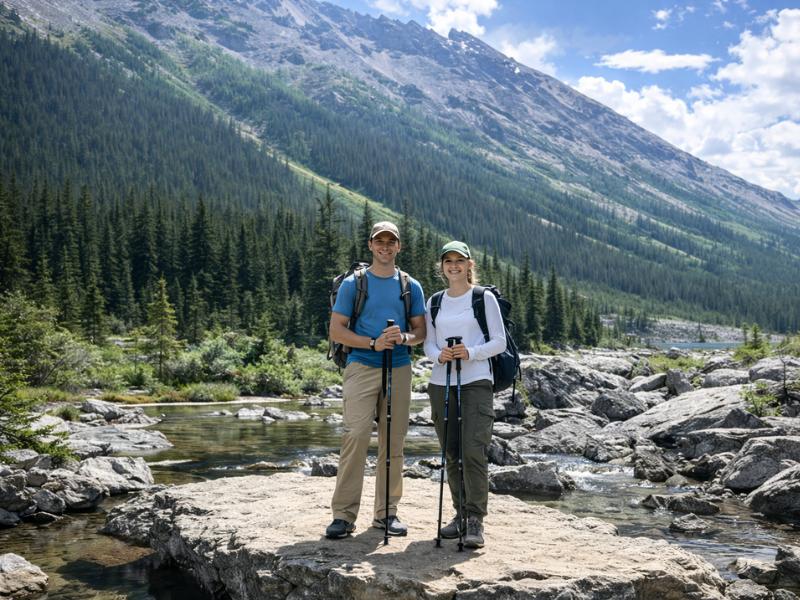 A Different Way To Spend The Day
Guided Signature Hike With Lunch
Spend the day on a named mountain trail with a guide, transport and lunch.
7 hours · English
Banff hotel pickup or the listed Mount Royal Hotel meeting point.
Certified guide, picnic lunch, hiking poles and transport. Teahouse purchases extra.
Ages 13+. Route depends on weekday and conditions. The Larch Valley route does not reach the top of Sentinel Pass.
Choose A Guided Hike ↗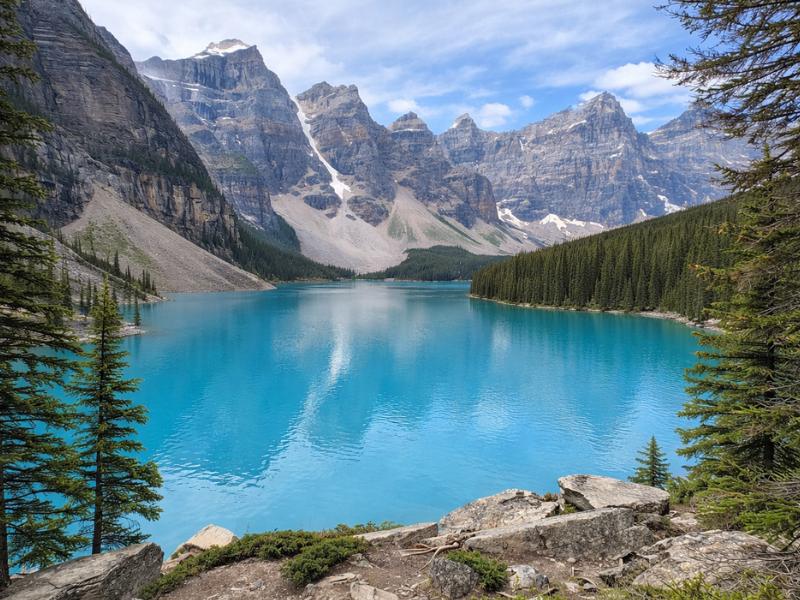 A Different Way To Spend The Day
Private Customisable Banff Day
Agree a sightseeing route around your group’s priorities.
8–11 hours · English
Request pickup or select a meeting point; returns to the meeting point.
Private vehicle, water and Parks Canada fees. Lunch and tips extra.
Moraine Lake access uses a shared shuttle. Not wheelchair accessible; moderate fitness listed. Confirm exact pickup and route.
Plan A Private Banff Day ↗No choices needed to use the recommendations above.
Work Out The Cost For Your Group
Enter complete quotes in CAD for the same people, date and itinerary. Include transport, parking, entry, food and any other extras on both sides. For shared versus private, enter the shared total first and private total second.
Use current quotes; no prices or savings are assumed.
Turn Your Plan Into A Day Out
Use the shared lakes day when transport is the obstacle, or keep the Parks Canada shuttle plan when you want full control at Lake Louise.
Your Next StepLake Louise And Moraine Lake Day Tour
Link the two lakes without organising separate transport.
8–10 hours · English
Pickup in Calgary, Canmore or Banff; confirm the selected meeting and end points.
Guide, transport and listed lake access. Meals and personal expenses extra.
No wheelchair access. Bring your own child seat for children under 7. Moraine Lake is seasonal.
Visit The Two Lakes ↗Choose Your Date
Lake Louise And Moraine Lake Day Tour
Open the provider’s calendar to select your date, party and departure. Availability and prices are confirmed there.
Dates On GetYourGuide
Guided Signature Hike With Lunch
Choose a date and party to see current options. Confirm the meeting point and restrictions on the listing.
More Banff Sightseeing On Viator
Browse the site’s original Viator selection of Banff day tours, wildlife outings and lake excursions. These are additional ideas, not matches to the trip form. Check dates, duration, pickup and suitability on each listing.
Open The Recommended Outing ↗