Banff National Park Travel Costs
Banff trip cost? Budget from $100/day or $250-$400 mid-range, with luxury $800+. Season matters - summer prices can double shoulder-season rates.
A realistic Banff budget should compare each paid experience with the transport, parking, food, and planning it replaces. Compare the Real Cost of a Guided Day
Last updated: April 29, 2026
Your Experience Plan: Price one high-logistics day first, then compare it with the full DIY total instead of the headline ticket alone.
Banff National Park Travel Costs: Quick Facts
| Park Entry (adult, daily) | $12.25 | $12.25 | $12.25 |
| Accommodation (per night) | $35-$65 (camping/hostel) | $250-$400 | $400-$800+ |
| Food (per person, per day) | $30-$50 (self-cater) | $70-$100 | $150-$250+ |
| Guided Tours / Activities | $0 (free hikes) | $60-$150/person | $200-$500+/person |
| Transportation (in-park) | $2-$10 (Roam bus) | $30/day (Roam Super Pass) | $75-$120/day (rental car) |
| Daily Total (per person) | $80-$120 | $250-$400 | $500-$800+ |
Prices verified March 2026 against Parks Canada official fee schedule and current market rates. All figures in CAD unless noted.
How Much Does It Cost To Enter Banff National Park?
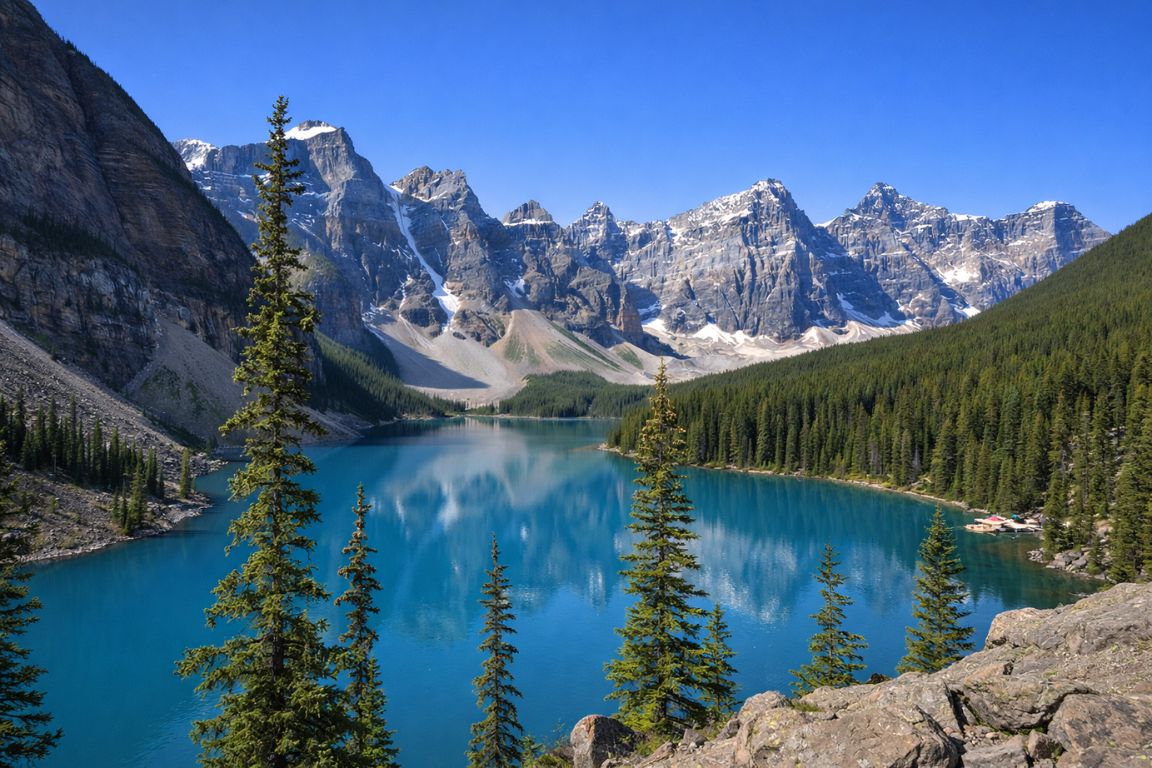 A daily park pass costs $12.25 for adults, $10.75 for seniors, and $24.50 for a family or group of up to 7 in one vehicle. Youth 17 and under enter free. If you’re staying 7 or more days, the annual Discovery Pass at $83.50 per adult (or $167.50 for a family group) is almost always cheaper and covers 100+ Parks Canada sites across the country for a full year.
The gate is where a lot of first-timers get their first surprise. You need a park pass not just to hike or camp, but any time you stop within the park at all, including in the townsite of Banff itself. Driving straight through without stopping? You don’t need one. But the moment you pull off, you do. And that includes stopping at Lake Louise, Moraine Lake, any viewpoint, any picnic area, any trailhead.
Curious about visiting? Here’s our complete Moraine Lake travel guide covering the essentials most people only learn after they’ve been turned away from the closed road.
One nuance that catches people: the daily pass is valid until 4 p.m. the day after purchase, so a pass bought on a Monday afternoon covers you through Tuesday at 4 p.m. It’s not a calendar-day system. That can work in your favor if you’re arriving late one day.
There’s also a significant development worth noting for summer 2026. Parks Canada’s Canada Strong Pass initiative means free admission for all visitors from June 19 to September 7, 2026. That’s not a discount; that’s full waiver. If your trip falls in that window, you won’t need a park entry pass at all. Outside those dates, regular fees apply.
One trap we see regularly: the park pass does not cover the Lake Louise lakeshore parking lot ($42/day in summer), the Banff Upper Hot Springs admission, backcountry camping fees, or any guided tour costs. Those are separate. People sometimes assume the pass is a one-price-covers-all ticket. It isn’t.
| Daily Park Pass | $12.25 | $10.75 | $24.50 |
| Annual Discovery Pass | $83.50 | $71.50 | $167.50 |
| Break-even point (Discovery Pass) | 7 days | 7 days | 7 days |
Prices verified March 2026. Source: Parks Canada official fee schedule. Youth 17 and under enter free year-round.
If you'd rather hand the lake-day logistics to a guided trip, see the Lake Louise & Moraine Lake tour from Calgary, Canmore, or Banff.
If you’re heading to Banff’s most famous lake, here’s our complete Lake Louise guide so you know exactly what to expect and how to navigate the chaos.
What Does Accommodation In Banff Actually Cost?
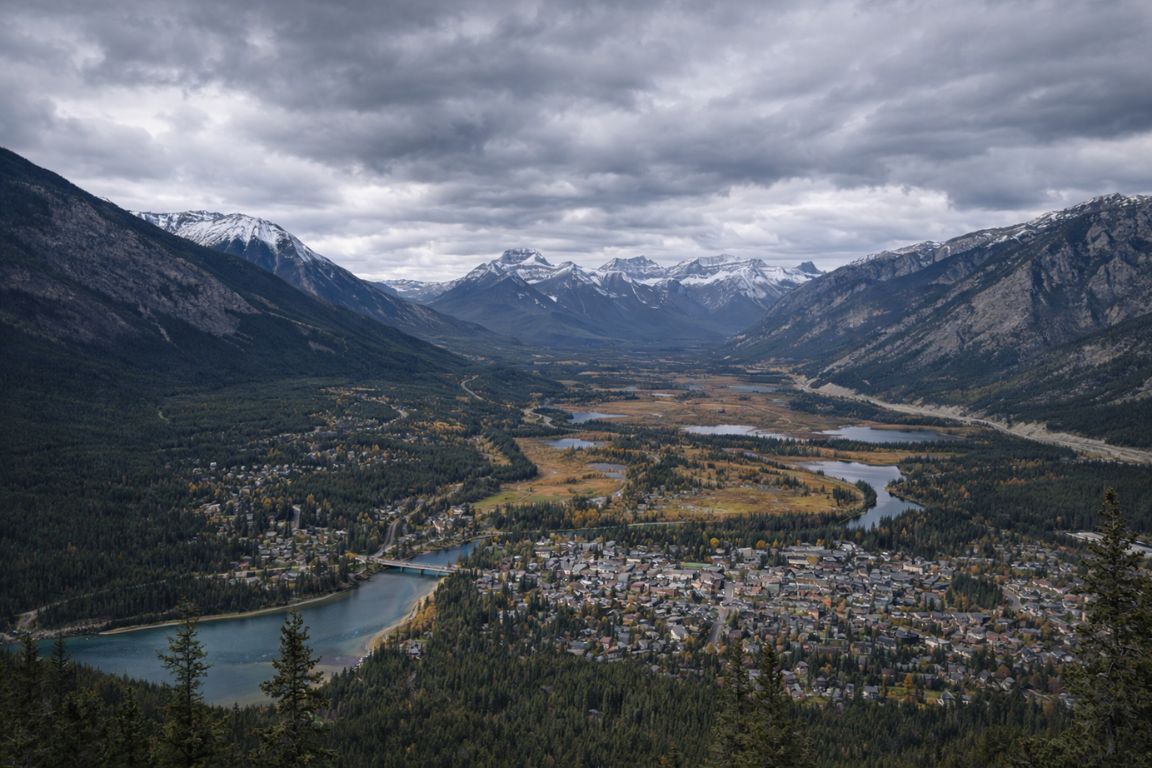 Accommodation is the single biggest variable in any Banff budget. Expect to pay $250-$400 per night for a solid mid-range hotel in Banff townsite during summer, $400-$800+ for properties like the Fairmont Banff Springs or Rimrock Resort, and $34-$65 for campground options. Staying in Canmore instead saves 20-35% on most categories with only a 20-minute commute.
Hotel rates here have moved hard in recent years. The average nightly rate in Banff climbed from around $231 in 2020-21 to over $414 in 2024, a surge that has priced out a lot of the casual weekend visitors who once filled mid-week rooms. That’s not speculation; it’s what the Bow Valley market data shows. Summer peaks can hit $500+/night at even mid-tier properties.
The Fairmont Banff Springs is the marquee splurge, running $400-$800+ depending on room type and season. The Rimrock Resort Hotel operates similarly, with the advantage of being slightly removed from the busiest town corridors. For mid-range, properties like Moose Hotel and Suites and Buffalo Mountain Lodge sit in the $250-$400 summer range with solid amenities.
Camping is the real budget lever. Parks Canada campgrounds at Two Jack Lakeside ($34/night) and Tunnel Mountain ($34-$47/night for serviced sites) are consistently among the most affordable ways to sleep in Banff while staying inside the park. The oTENTik glamping option at Two Jack Lakeside runs $147.50/night but includes a semi-furnished tent cabin experience that many families prefer to either camping or a basic hotel room.
Here’s something we tell our travelers and they’re almost always glad they listened: Canmore is 20 minutes east of the park gate, not inside it. Hotel rates there run 20-35% lower. You still need a park pass each day, but the accommodation savings across a five-night trip can easily cover activities you’d otherwise skip. The tradeoff is the commute, and more importantly, you miss the early morning light inside the park that experienced visitors know is often the best window of the entire day.
| Hostel dorm (HI Banff) | $45-$65/bed | $35-$55/bed | Book 2-3 months ahead |
| Budget hotel/motel | $150-$220 | $90-$150 | Limited inventory |
| Mid-range hotel (3–4 star) | $250-$400 | $150-$250 | Book 4-6 months ahead |
| Luxury (Fairmont, Rimrock) | $400-$800+ | $280-$450 | Book 9-12 months ahead |
| Campground (serviced) | $34-$47/site | $22-$34/site | Reserve at reservation.pc.gc.ca |
| Canmore mid-range | $180-$300 | $120-$200 | 20 min from park gate |
Prices verified March 2026 from Parks Canada fee schedule and market booking data. Summer = June to early September.
How Much Should You Budget For Food And Dining In Banff?
Food costs in Banff run $70-$100 per person per day if you’re eating at restaurants for every meal. Self-catering from the IGA or Nesters grocery stores cuts that to $30-$50/day. A typical sit-down dinner entree runs $30-$60; casual lunch spots are $15-$25. Fine dining at places like Sky Bistro on the gondola summit or Eden at the Rimrock will cost $100-$150+ per person with drinks.
The mountain tax is real. Everything costs more at elevation. A basic café breakfast, coffee, and a pastry is $18-$25 before you’ve moved anywhere. A burger at a mid-range pub with tax and tip crosses $25 easily. A restaurant dinner for two, shared appetizer, two mains, two glasses of wine, and tip rarely comes in under $130. This isn’t unusual for a Canadian resort town, but it surprises travelers coming from cities where they have dining options at multiple price points within walking distance.
The move that actually works, and that we tell our groups before every multi-day trip: grocery shop in Canmore or Calgary on the way in, not in Banff. IGA and Nesters inside the park are convenient but priced at full resort markup. Safeway and Save-On Foods in Canmore are meaningfully cheaper. For a family or a group sharing a suite with a kitchen, stocking up before arrival saves serious money across a week without changing your experience in any way that matters.
Happy hour exists and it’s underused by first-timers. A lot of Banff restaurants run 4-6 p.m. specials that cut drink prices in half and offer discounted small plates. Building your dinner schedule around that window is one of those small local moves that adds up across a trip.
What Do Guided Tours And Activities Cost In Banff?
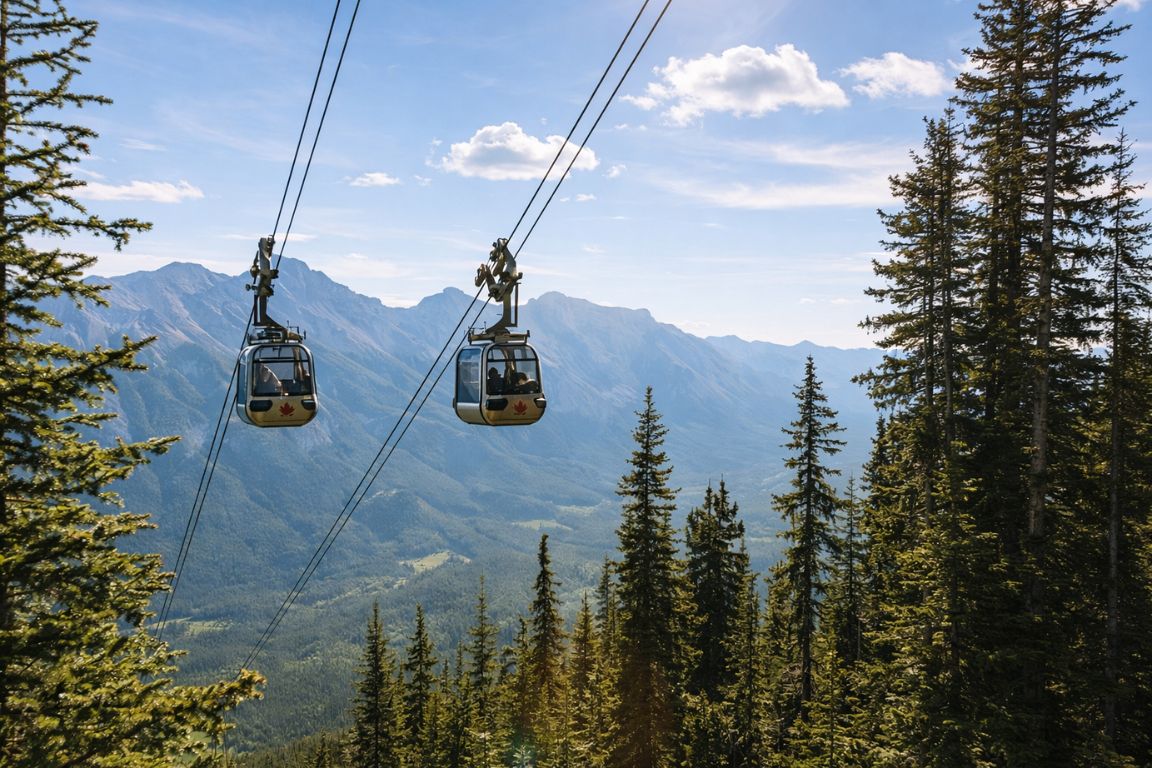 The Banff Gondola runs $60+ per adult with dynamic pricing (higher on weekends and holidays). The Lake Minnewanka Cruise is around $72/adult. Guided day tours covering Lake Louise, Moraine Lake, and Johnston Canyon run $100-$200 per person. Helicopter tours start around $185-$214 per person for 25-45 minutes. Dozens of spectacular hikes cost nothing beyond your park pass.
The activity budget is where the spread between trips gets widest. Two travelers can spend a week in Banff and both have outstanding experiences, with one spending $0 on paid activities and the other spending $600+. The park’s trail network covers over 1,600 km. Johnston Canyon, Consolation Lakes, Tunnel Mountain, the Plain of Six Glaciers, Peyto Lake, Helen Lake – none of these require paid admission beyond your park pass. That’s the honest truth about Banff: the free experiences are, in many cases, the best ones.
That said, certain paid activities deliver something hiking doesn’t. The gondola puts you at Sulphur Mountain’s summit in 8 minutes; the views across six mountain ranges from the boardwalk are genuinely different from what you see on foot. The Minnewanka Cruise takes you out onto Banff’s largest lake with narration about the town that’s actually underwater below the current shoreline. These aren’t tourist traps; they’re legitimate experiences that add a dimension to the park most hikers never access.
| Banff Gondola | $60+ (dynamic pricing) | 2-4 hrs | Book in advance; weekend premiums |
| Lake Minnewanka Cruise | ~$72 | 90 min | Seasonal (May-Oct) |
| Banff Upper Hot Springs | $19.75 | Open-ended | Locker token included |
| Guided day tour (Lake Louise/Moraine) | $100-$200 | 5-8 hrs | Small group; includes transport |
| Helicopter tour (25 min) | $185-$214 | 25-45 min | Stoney Nakoda or Canmore |
| Dogsledding (2 hrs) | ~$185 | 2 hrs | Winter only |
| Fishing permit (daily) | $15.00 | 1 day | Valid Banff, Jasper, Yoho, Kootenay |
| Hiking (most trails) | FREE | Variable | 1,600+ km of trails |
Prices verified March 2026. Gondola uses dynamic pricing; verify current rates at banffjaspercollection.com before booking.
We’ve been guiding in Banff since 2014, and one thing hasn’t changed: the travelers who get the most from their trip are almost never the ones who spent the most on individual tickets. They’re the ones who planned well. Compare itineraries on the best Banff National Park tours list and match one to what you want to spend.
If you want to skip the research, here are the best Banff National Park tours based on guide quality, group size, and what you’ll actually experience beyond the standard stops.
How Much Do Transportation And Getting Around Banff Cost?
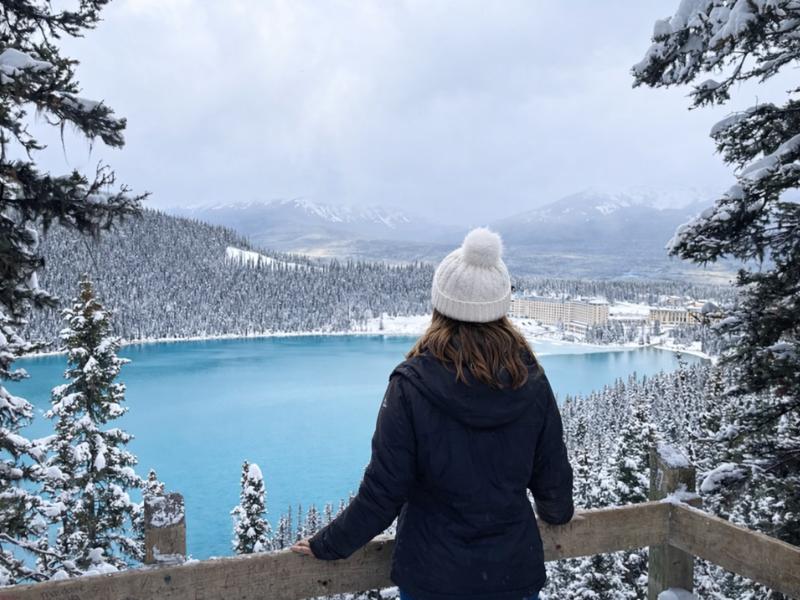
Getting around Banff ranges from nearly free to $75-$120/day depending on whether you use Roam Transit or a rental car. The Roam Transit Reservable Super Pass covers unlimited travel including the Banff-to-Lake Louise express and Moraine Lake connector for $30/day. Driving yourself gives maximum flexibility but adds parking costs, notably the $42/day lakeshore parking fee at Lake Louise in summer.
Most international visitors fly into Calgary and need to decide before they land: rent a car, or use transit? Both work. Neither is obviously better. The decision usually turns on your itinerary and comfort level.
A rental car from Calgary runs roughly $75-$120/day for an economy vehicle in summer (rates swing significantly by season). You also need to factor in gas – and fill up before you get to the park. Gas in Banff and at Lake Louise runs noticeably higher than in Canmore, and Canmore is higher than Dead Man’s Flats just east of it. Calgary, obviously, is the cheapest option. Parking adds up too; the Lake Louise lakeshore lot charges $42/day from mid-May to mid-October. Downtown Banff has paid parking zones, though there is free parking at the train station.
Roam Transit is genuinely excellent for a mountain town. The Route 8X Lake Louise Express runs daily from downtown Banff directly to the Lake Louise lakeshore for $12.50/adult. The $30 Reservable Super Pass adds access to the Moraine Lake connector shuttle, which is the only non-driving way to reach Moraine Lake. That shuttle fills up fast. Reservations open 48 hours in advance and historically sell out within minutes during peak summer. Book early. Children under 12 ride free on Roam but still need a reservation.
One thing we flag constantly with our independent travelers: if your heart is set on Moraine Lake at sunrise, and you don’t have a reservation, you will likely not get there. Parks Canada has closed Moraine Lake Road to private vehicles. The shuttle system is the system now, not a workaround. Plan around it, not against it.
If you’re relying on public transport, here’s the complete breakdown of Banff National Park tours without a car so you understand shuttle schedules and what’s actually reachable.
What Are The Hidden Costs Most Banff Visitors Don’t Expect?
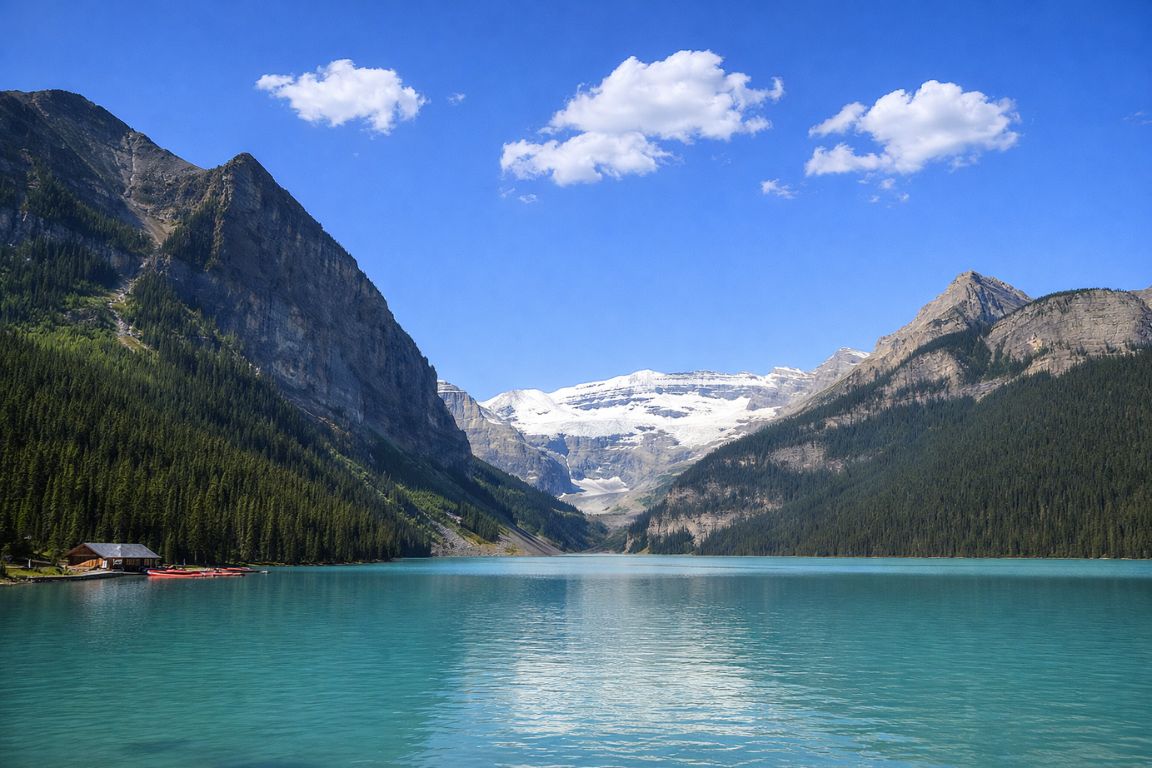 The expenses that blindside Banff visitors most often are the Lake Louise parking fee ($42/day in summer), the reservation service fee added to all Parks Canada campground bookings ($11.50 online), gas price premiums inside the park, gratuities on tours and dining that aren’t factored into advertised rates, and souvenir and gear spending on Banff Avenue that travelers budget zero for and somehow spend $150 on.
The parking fee at Lake Louise surprises nearly everyone who arrives by car for the first time. $42 for a single day at one lake. That’s not a typo. Parks Canada set that price deliberately to push visitors toward the shuttle system, and it’s working. But travelers who don’t know about it, and book their accommodation with a car expecting to self-drive everywhere, walk into that fee with no warning.
Campground reservation fees are another quiet surprise. Every online booking for a Parks Canada campground adds $11.50 in reservation fees ($13.50 by phone). For a four-night camping trip, that’s an extra $46 you didn’t see on the nightly rate. Not huge, but worth knowing going in.
Gas pricing inside the park runs higher than anywhere in the surrounding area. If you’re driving an Icefields Parkway route, fill up in Canmore or Banff townsite rather than waiting for Lake Louise. Gas at Lake Louise is significantly more expensive. On the Icefields Parkway itself, there are essentially no gas stations between Lake Louise and Jasper. A lot of people learn that the hard way.
The shopping strip on Banff Avenue is legitimately good. There are several independent outfitters, a strong MEC presence, and souvenir shops that are actually worth browsing. But nobody budgets for this, and families consistently spend $100-$200 here without planning to. It’s not a criticism – it’s just worth building a realistic number into your plan.
Finally: tipping. Canada tips at restaurant standard (15-20%), which most visitors know. But on guided tours, tips for guides are also standard and expected, typically $10-$20 per person per guide for a half-day experience. On a multi-day guided trip, that adds up. It’s a meaningful part of guide income and absolutely worth factoring into your activity budget.
How Much Does A Banff Trip Cost Per Day By Budget Type?
Budget travelers can do Banff on $80-$120 CAD per person per day using camping, self-catering, and free hiking. A comfortable mid-range experience runs $250-$350/day per person. Luxury visitors spending on premium hotels, guided tours, and fine dining regularly exceed $500-$800/day. For a week-long trip, those ranges translate to roughly $560-$840, $1,750-$2,450, and $3,500-$5,600+ per person respectively.
The budget breakdown looks different depending on your style, and most travelers are surprised by which category they actually land in once they start accounting for everything. A couple who books what feels like a “mid-range” hotel at $300/night is already at $150/person before they’ve eaten breakfast or driven anywhere.
What Our Travelers Actually Spend: Data from 8,600+ Guided Guests
After guiding over 8,600 travelers since 2014, we’ve collected a clear picture of how spending actually breaks down across different trip types. This isn’t advertised rates; it’s what people actually spend, including the costs they didn’t plan for.
| Park entry (7-day trip) | $83.50 (Discovery Pass) | $83.50 (Discovery Pass) | $83.50 (Discovery Pass) |
| Accommodation (7 nights) | $245-$455 (camping/hostel) | $1,750-$2,800 | $2,800-$5,600+ |
| Food (7 days) | $210-$350 | $490-$700 | $1,050-$1,750+ |
| Paid activities | $0-$100 | $300-$600 | $1,000-$2,500+ |
| Transportation | $30-$100 (transit) | $400-$700 (rental car) | $600-$1,000+ |
| Unexpected costs (avg) | $50-$100 | $150-$300 | $300-$500+ |
| 7-Day Total (per person) | $620-$1,100 | $3,175-$5,185 | $5,835-$11,435+ |
The number that stands out every time we look at this data: the gap between planned and actual spending averages 18-22% for mid-range travelers. Not because people overspend recklessly. Because the park charges for things in layers, and those layers compound across a week faster than most budgets anticipate.
Not sure what to budget? Check out our Banff National Park tours travel budget guide – the park and surrounding towns are pricey, and knowing where money disappears helps you plan realistically.
How Can You Save Money In Banff Without Ruining The Trip?
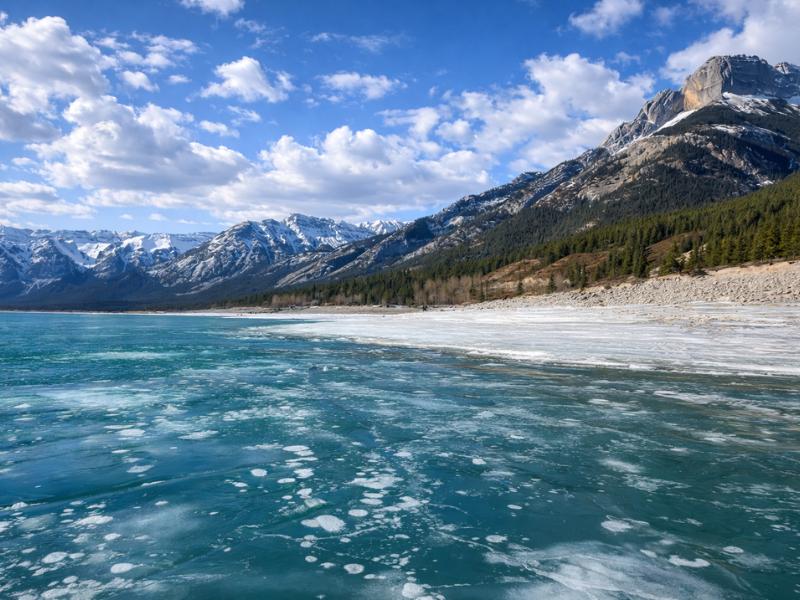
The single most effective cost reduction in Banff is timing: shoulder season (May and late September/October) cuts hotel rates 30-50% compared to July-August peaks. Beyond that, the Discovery Pass pays for itself on any trip of 7+ days, staying in Canmore saves 20-35% on accommodation, and building your itinerary around free hikes while selectively choosing one or two paid experiences gives you the full Banff experience at a fraction of peak-season, all-paid-for pricing.
September gets undersold. The crowds thin out after Labour Day and the larch trees turn gold from mid-September through early October. Moraine Lake and Larch Valley in fall larch season is, in our opinion, the single most visually striking thing Banff offers at any time of year. Hotel rates drop noticeably. The light is different, sharper and lower on the horizon. People who’ve done Banff in August and then again in late September often say the second trip felt like a different park.
A few specific moves that consistently cut costs without cutting the experience:
Buy the Discovery Pass if your trip is 7 or more days, or if you’re visiting any other national parks on the same trip. It’s valid across 100+ Parks Canada locations for a full year, not just Banff. For a family of up to 7 in one vehicle, $167.50 covers everyone, which makes the per-day math even better.
Take Roam Transit to Lake Louise instead of driving. The $30 Reservable Super Pass gets you Banff to Lake Louise and includes the Moraine Lake connector. You skip the $42 parking fee, skip the congestion stress, and get off the bus already at the lakeshore. It’s genuinely less hassle and less expensive.
Fill up on gas before entering the park. The markup inside the park, especially at Lake Louise, is real. Canmore or Dead Man’s Flats before you hit the gate saves a few dollars per tank. Across a week with daily driving, that adds up.
Pick two paid activities and let the rest be hiking. Most of Banff’s most photographed spots, including Peyto Lake, Bow Lake, the Plain of Six Glaciers teahouse, and Johnston Canyon’s upper falls, are accessible for free on established trails. Choose one gondola experience and one boat or guided tour experience, then build the rest of your days around the trail network. That’s not a budget compromise. That’s actually how locals here experience the park.
Questions before you book? Compare dates and inclusions on the best Banff National Park tours list.
Frequently Asked Questions
How much does it cost per day in Banff?
Expect $80-$120 CAD/day on a tight budget (camping, self-catering, free hikes), $250-$400/day mid-range (hotel, restaurant meals, one paid activity), and $500-$800+/day for luxury travel. Park entry is $12.25/day for adults on top of all of these.
Is the Parks Canada Discovery Pass worth it for Banff?
Yes, for any trip of 7 or more days. The annual Discovery Pass costs $83.50/adult versus $12.25/day for daily passes. At 7 days, it breaks even. It also covers 100+ other Parks Canada locations for a full year, so it holds additional value if you visit other national parks or historic sites in Canada.
How much does the Banff Gondola cost?
The Banff Gondola uses dynamic pricing and starts at $60 per adult, rising on weekends and peak summer days. Book in advance through the official Banff Jasper Collection website. Children under 5 ride free. There is also a Nightrise evening experience available in winter.
How much does it cost to park at Lake Louise?
Parking at the Lake Louise lakeshore lot costs $42/day from approximately mid-May to mid-October. This is separate from your park pass. The alternative is the Roam Transit $30 Reservable Super Pass, which includes the Banff-to-Lake Louise express and the Moraine Lake connector shuttle – and is usually the better option.
When is the cheapest time to visit Banff?
April/May and late September/October are the cheapest months. Hotel rates drop 30-50% compared to July-August. Shoulder season also means shorter lines, less congestion at popular spots, and different but often equally spectacular scenery. Late September larch season is a favorite of ours for travelers with any flexibility.
Is admission to Banff free in summer 2026?
Yes. Parks Canada’s Canada Strong Pass initiative makes admission to Banff National Park free for all visitors from June 19 to September 7, 2026. No park entry pass is required during this window. Regular fees apply outside those dates.
We’ve been navigating Banff’s permit windows, seasonal pricing, and crowd patterns for travelers since 2014. Whether you want a custom day or a set group itinerary, start with the private Banff tour covering Lake Louise, Moraine Lake, and six custom sights or the best Banff National Park tours list.
Written by Avery Claire Thompson
Canadian tour guide since 2014 · Founder, Banff National Park Tours
Avery has guided over 8,600 travelers through Banff National Park and the Canadian Rockies since founding the agency.
Compare The Real Cost Of A Guided Day
Compare a guided day with the independent options in this guide. Confirm your date and meeting point before booking.
Match These Options To Your Trip
 Our Starting Recommendation
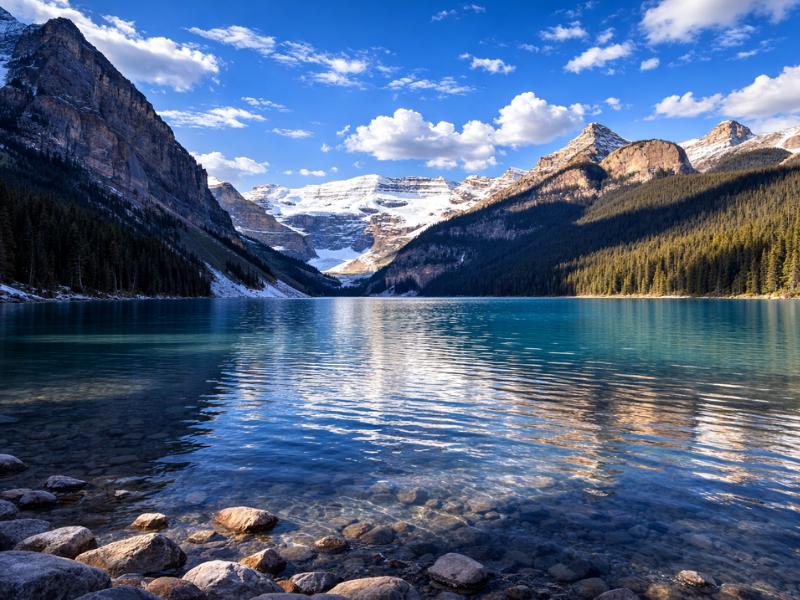
Lake Louise And Moraine Lake Day Tour
Link the two lakes without organising separate transport.
8–10 hours · English
Pickup in Calgary, Canmore or Banff; confirm the selected meeting and end points.
Guide, transport and listed lake access. Meals and personal expenses extra.
No wheelchair access. Bring your own child seat for children under 7. Moraine Lake is seasonal.
Visit The Two Lakes ↗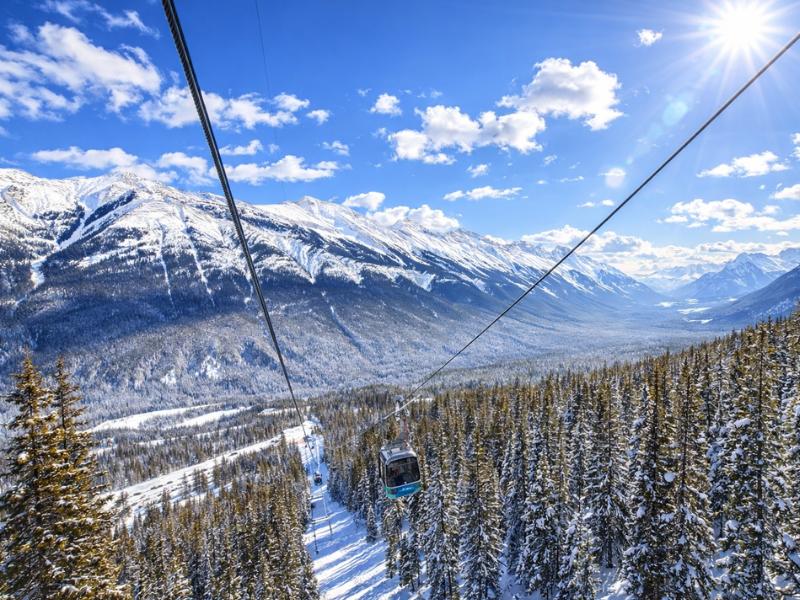 A Different Way To Spend The Day
Banff Gondola Summit Ticket
Reach Sulphur Mountain’s views without hiking the ascent.
Timed entry; ticket validity is 1 day · English
Make your own way to the Sulphur Mountain base.
Return gondola ride and summit interpretive facilities. Food, park admission and parking extra.
No strollers. Arrange accessibility requests with the operator at least 72 hours ahead. Confirm your return time.
Book The Summit Ride ↗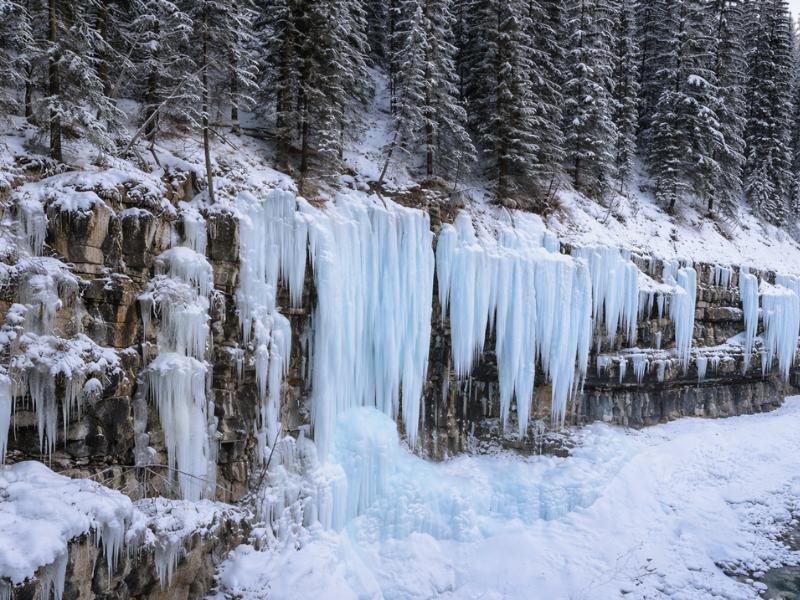 A Different Way To Spend The Day
Johnston Canyon Guided Icewalk
Walk to frozen waterfalls with a guide, ice cleats and poles provided.
4 hours · English
Banff pickup; confirm the listed morning or afternoon meeting time.
Guide, transport, ice cleats, poles, hot chocolate and cookie. Tips extra.
Ages 8+. A 5.4 km round trip with 135 m elevation gain. Moderate fitness and your own winter clothing needed.
Walk The Frozen Canyon ↗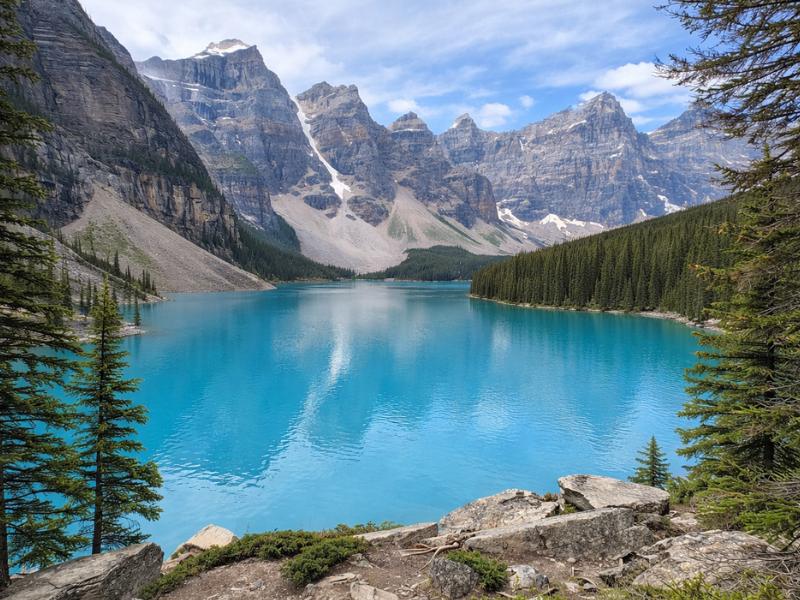 A Different Way To Spend The Day
Private Customisable Banff Day
Agree a sightseeing route around your group’s priorities.
8–11 hours · English
Request pickup or select a meeting point; returns to the meeting point.
Private vehicle, water and Parks Canada fees. Lunch and tips extra.
Moraine Lake access uses a shared shuttle. Not wheelchair accessible; moderate fitness listed. Confirm exact pickup and route.
Plan A Private Banff Day ↗No choices needed to use the recommendations above.
Work Out The Cost For Your Group
Enter complete quotes in CAD for the same people, date and itinerary. Include transport, parking, entry, food and any other extras on both sides. For shared versus private, enter the shared total first and private total second.
Use current quotes; no prices or savings are assumed.
Turn Your Plan Into A Day Out
Use your own totals to decide whether a guided day buys enough convenience to justify its place in the budget.
Your Next StepLake Louise And Moraine Lake Day Tour
Link the two lakes without organising separate transport.
8–10 hours · English
Pickup in Calgary, Canmore or Banff; confirm the selected meeting and end points.
Guide, transport and listed lake access. Meals and personal expenses extra.
No wheelchair access. Bring your own child seat for children under 7. Moraine Lake is seasonal.
Visit The Two Lakes ↗Choose Your Date
Lake Louise And Moraine Lake Day Tour
Open the provider’s calendar to select your date, party and departure. Availability and prices are confirmed there.
Dates On GetYourGuide
Banff Gondola Summit Ticket
Choose a date and party to see current options. Confirm the meeting point and restrictions on the listing.
More Banff Sightseeing On Viator
Browse the site’s original Viator selection of Banff day tours, wildlife outings and lake excursions. These are additional ideas, not matches to the trip form. Check dates, duration, pickup and suitability on each listing.
Open The Recommended Outing ↗