Banff Travel Budget Guide
A week in Banff costs about $600–800 budget, $1,800-2,500 mid-range, or $3,500+ luxury. Accommodation drives most of the price.
Use the budget tool to protect accommodation, food, admission and transport first, then compare one guided day against the separate costs and time it replaces. Fit One Experience Into Your Budget
Last updated: April 29, 2026
Your Experience Plan: Set the unavoidable trip total first, then add a lakes day, gondola ticket or winter ice walk only when it fits the remaining activity budget.
Banff Travel Budget Quick Facts
| Accommodation (per night) | $28-70 (camping/hostel) | $250-400 | $400-800+ |
| Food (per person/day) | $25-40 (self-catered) | $60-100 | $150-250 |
| Park pass (adult) | $12.25/day or $83.50/year | $12.25/day or $83.50/year | $12.25/day or $83.50/year |
| Airport shuttle (one way) | $60-90 (Brewster/Airporter) | $60-90 | $150-200+ (private transfer) |
| Rental car (per day) | $60-95 (compact) | $75-110 | $120-200+ (SUV/premium) |
| Banff Gondola (adult) | $74 | $74 | $74 |
| Lake Minnewanka Cruise (adult) | $72 | $72 | $72 |
| Youth 17 and under | Always free (park entry) |
Prices verified March 2026. All amounts in Canadian dollars (CAD).
How Much Does A Trip To Banff Actually Cost?
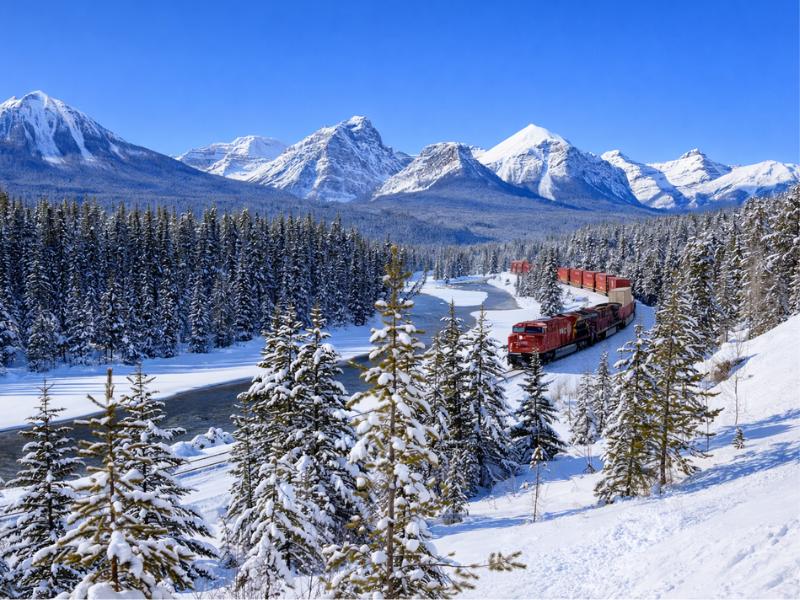
A realistic Banff trip budget runs CAD $600-800 per person for a budget week (camping, self-catering, hiking), $1,800-2,500 for a mid-range experience (hotel, restaurant mix, one or two guided activities), or $3,500 and well beyond for a luxury stay. Accommodation is where the range explodes. Everything else is more predictable than most people expect.
Here is the honest version that nobody tends to say upfront: Banff is expensive because it sits inside a national park where no new large-scale hotel development is permitted. Supply is capped. Demand keeps climbing. In the 2024/25 fiscal year, the park received 4.2 million visitors. That constraint is not going away.
What that means practically is that accommodation prices in July and August don’t follow normal market logic. A standard hotel room that costs $150 in April can cost $350 or more for the exact same night in July. Not because the room changed, but because everyone wants it at the same time.
The good news is that outside accommodation, the costs are manageable. The park itself is free for youth 17 and under. Hiking every major trail costs nothing beyond your park entry pass. The Roam Transit system moves you around for $2 a ride. And if you visit between June 19 and September 7, 2026, the Canada Strong Pass means park entry is free for everyone for that stretch of summer.
The number that catches people off guard most often isn’t the gondola ticket or the restaurant bill. It’s the hotel room they booked six months late, paying $400 for something they could have had for $280 if they’d locked it in earlier. We’ve watched this pattern repeat with hundreds of our travelers. Book accommodation first, budget everything else second.
We’ve detailed Banff National Park tours travel costs because this place will drain your wallet fast if you don’t understand where costs stack up – from hotels to parking to restaurant prices.
How Much Does It Cost To Get To And Around Banff?
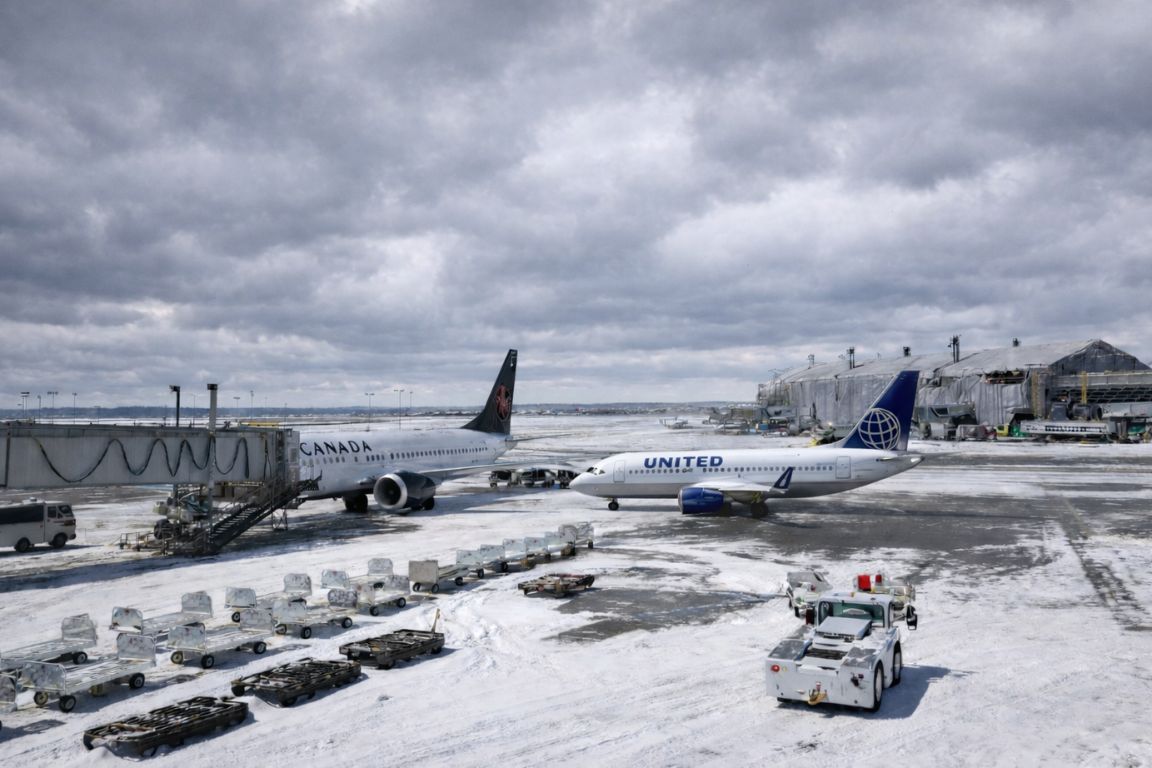 Getting from Calgary Airport to Banff costs $60-90 per person one way by shared shuttle (Brewster Express or Banff Airporter) or roughly $75-110 per day if you rent a car. Once you’re in the park, Roam Transit local routes are $2 per ride and cover most key stops. The Roam Super Pass at $30/day covers everything including the Moraine Lake connector shuttle.
Most international visitors fly into Calgary (YYC), which sits about 130 km east of the park gate. From there you have three realistic options.
Shared shuttle services like Brewster Express run year-round, departing every 90 minutes, with hotel drop-off in Banff. Dynamic pricing applies, so booking in advance is worth it. Brewster currently offers 25% off round-trip tickets, valid through May 18, 2026. The Banff Airporter is similar in price and also runs daily, though it does not pick up from downtown Calgary hotels.
Renting a car gives you flexibility, especially for early morning trailhead starts and Bow Valley Parkway wildlife drives, but it adds up fast when you factor in fuel and parking. Downtown Banff parking runs $12/hour (May to October), though the Train Station lot and upper floors of Bear Street Parkade offer free parking for up to 9 hours. At Sulphur Mountain, a new paid parking pilot launches May 15, 2026 at $17.50/day. For Lake Louise, the lakeshore lot is roughly $36-42/day from 3 am to 7 pm, May 15 to October 12. The free Park and Ride at Lake Louise Ski Resort has 2,000+ stalls and solves most of that problem.
Wondering if you can skip the rental? Check out our guide on Banff National Park tours without a car – it’s doable but requires more planning than most parks.
For getting around once you’re based in Banff townsite, Roam Transit is genuinely good. Local routes are $2 per adult, children 12 and under ride free, and the Super Pass at $30/day covers all routes plus the Parks Canada Lake Connector Shuttle to Moraine Lake. If you’re staying at Tunnel Mountain or Two Jack campgrounds, you ride local Roam routes free in summer.
| Calgary Airport to Banff (shared shuttle) | $60-90 one way | Brewster or Airporter; book in advance |
| Rental car (compact, per day) | $60-95 | Plus fuel ~$1.60-1.90/litre and parking |
| Roam Transit local routes | $2/adult per ride | Kids 12 and under free |
| Roam Route 8X (Banff to Lake Louise) | $12.50/adult one way | Year-round; reserve May-Oct |
| Roam Super Pass | $30/day | All routes + Moraine Lake shuttle |
| Moraine Lake Parks Canada shuttle | $8/adult return | June 1-Oct 12, 2026; reservations open April 15 |
| Banff townsite parking (May-Oct) | $12/hour | Free options exist: Train Station lot, Bear St Parkade upper floors |
| Lake Louise lakeshore parking | ~$36-42/day | May 15-Oct 12; free Park and Ride at ski resort is the smarter move |
Prices verified March 2026.
How Much Do Hotels And Accommodation Cost In Banff?
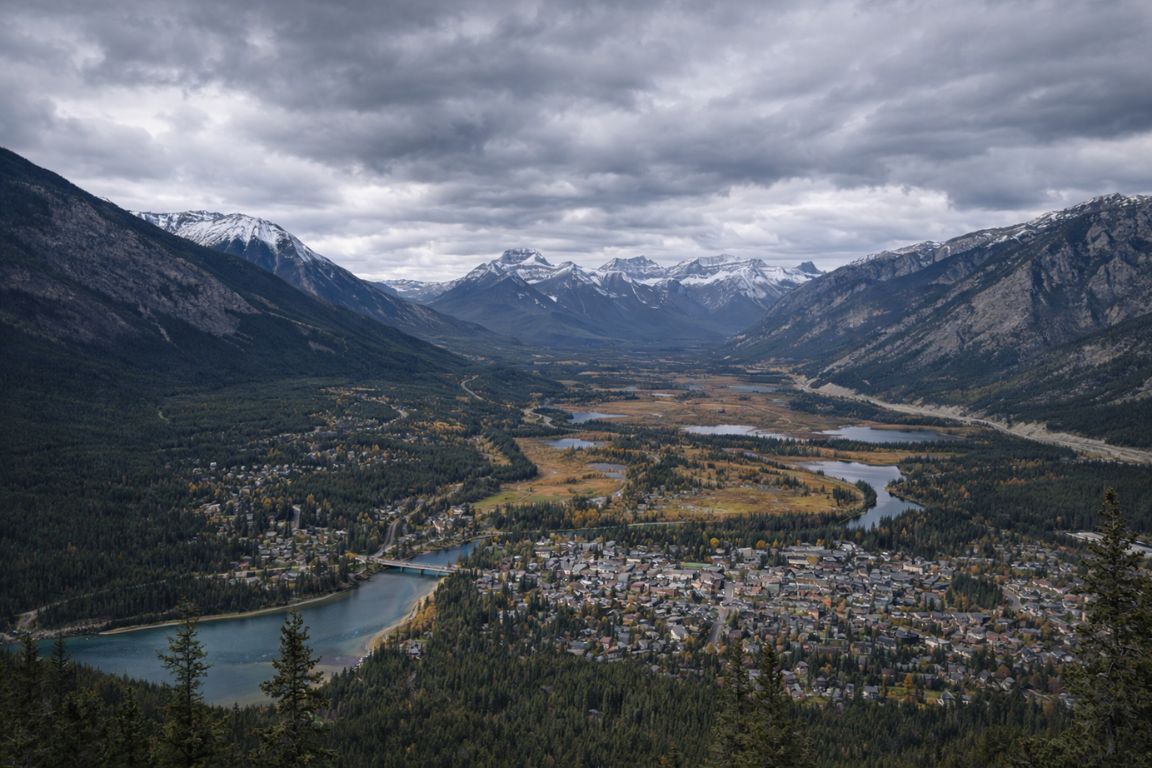 Budget camping runs $27-43/night at Parks Canada campgrounds. Hostels hit $60-100/night for dorm beds in peak season. Mid-range hotel rooms in Banff townsite run $250-400/night in summer, dropping to $120-200 in shoulder and winter months. Luxury properties like the Fairmont Banff Springs start around $400/night and climb well past $800 in peak dates. Staying in Canmore saves 20-35% on accommodation with a 20-minute drive tradeoff.
Accommodation is the budget category where Banff actually bites. There is no way around it. Development inside the national park is heavily regulated, which keeps supply tight while demand grows every year. If you are visiting in July or August, expect to pay more than you would at any comparable non-park mountain town.
The camping option is genuinely good and genuinely underused by travelers who don’t realize how close the campgrounds sit to town. Tunnel Mountain Village campground is 4.5 km from Banff townsite, runs year-round, has flush toilets and showers, and starts at around $27/night for a tent site. Two Jack Lakeside sits 12 km from town right on the lake and is one of the more beautiful campgrounds in the Rockies. Reservations open exactly 90 days before your arrival date at 8:00 am Mountain Time through Parks Canada, and popular dates fill within hours. If you’re camping, set an alarm.
For glamping, oTENTik equipped sites at Two Jack and Tunnel Mountain run $147.50/night for 2026. They include beds, electricity, and heating, which changes the calculation considerably for families or anyone not keen on sleeping on the ground in Alberta shoulder season temperatures.
Canmore is worth serious consideration for mid-range and budget travelers. It sits 20 minutes east of the park gate, outside park boundaries, and accommodation typically runs 20-35% cheaper than equivalent options in Banff townsite. The tradeoff is the daily drive, which adds time, fuel costs, and occasionally early-morning parking pressure. But for a week-long trip, the savings can be significant.
One important cost update for 2026: Alberta’s tourism levy on accommodation increases from 4% to 6% effective April 1, 2026. On top of that, GST runs 5% and Banff’s Destination Marketing Fee adds another 2%. Book before April 1 to lock in the lower levy rate if you haven’t already.
| Tent camping (Parks Canada) | $27-35/night | $27-35/night | $16-22/night (reduced service) |
| oTENTik glamping | $147.50/night | $147.50/night | Closed |
| Hostel dorm (HI Banff) | $70-100/night | $40-65/night | $35-50/night |
| Budget hotel/motel (Banff) | $250-320/night | $130-200/night | $80-150/night |
| Mid-range hotel (Banff townsite) | $300-420/night | $150-280/night | $120-220/night |
| Mid-range hotel (Canmore) | $200-300/night | $120-200/night | $90-160/night |
| Luxury (Fairmont Banff Springs) | $500-1,000+/night | $300-500/night | $300-600/night (holidays spike) |
Prices verified March 2026. Summer rates assume peak July-August dates. Taxes and fees not included.
How Much Does Food Cost In Banff?
Expect to spend $50-80 per person per day if you’re eating out for all three meals, or $25-40 per day if you’re self-catering. A casual sit-down dinner for two, with drinks, typically runs $80-120 before tip. Banff grocery prices run roughly 10-15% higher than Calgary. The hybrid strategy, self-catering breakfast and trail lunch while eating one restaurant dinner, is what most of our experienced repeat visitors do.
Breakfast in Banff runs $15-25 at a cafe. Lunch at a casual spot is $18-35. Dinner entrees at mid-range restaurants start around $30 and climb past $60 at finer places. Add a drink and a tip (15-18% is standard in Alberta) and a dinner for two easily hits $100.
Fine dining, places like Eden at the Rimrock or Sky Bistro at the gondola summit, runs $40-75 per entree. A full dinner experience for two with wine will land in the $200-300 range. Worth it once, probably not every night.
The grocery option is real. Nesters Market and Banff Food Market both stock full selections. Yes, prices are higher than Calgary but nowhere near what you’ll pay at a restaurant. A packed trail lunch from the grocery store costs $8-12 per person. A packed trail lunch from a cafe costs $20-25. Over a week of hiking days that difference adds up to a few hundred dollars.
Quick service and fast food is available too. A fast food combo runs around $12 CAD. A pint of beer at a pub is $8-12. Coffee is $5-7 for a specialty drink. None of this is cheap by international standards, but it is predictable.
If you want to cut food costs, the single most effective habit is packing your own lunch every hiking day. You’ll be on the trail anyway. You won’t want to hike back just to eat. And every trailhead scenario in Banff has better views than any restaurant. We’ve been watching the budget difference between travelers who do this and those who don’t for over a decade. It’s consistently $30-45 per day per person.
How Much Do Activities And Attractions Cost In Banff?
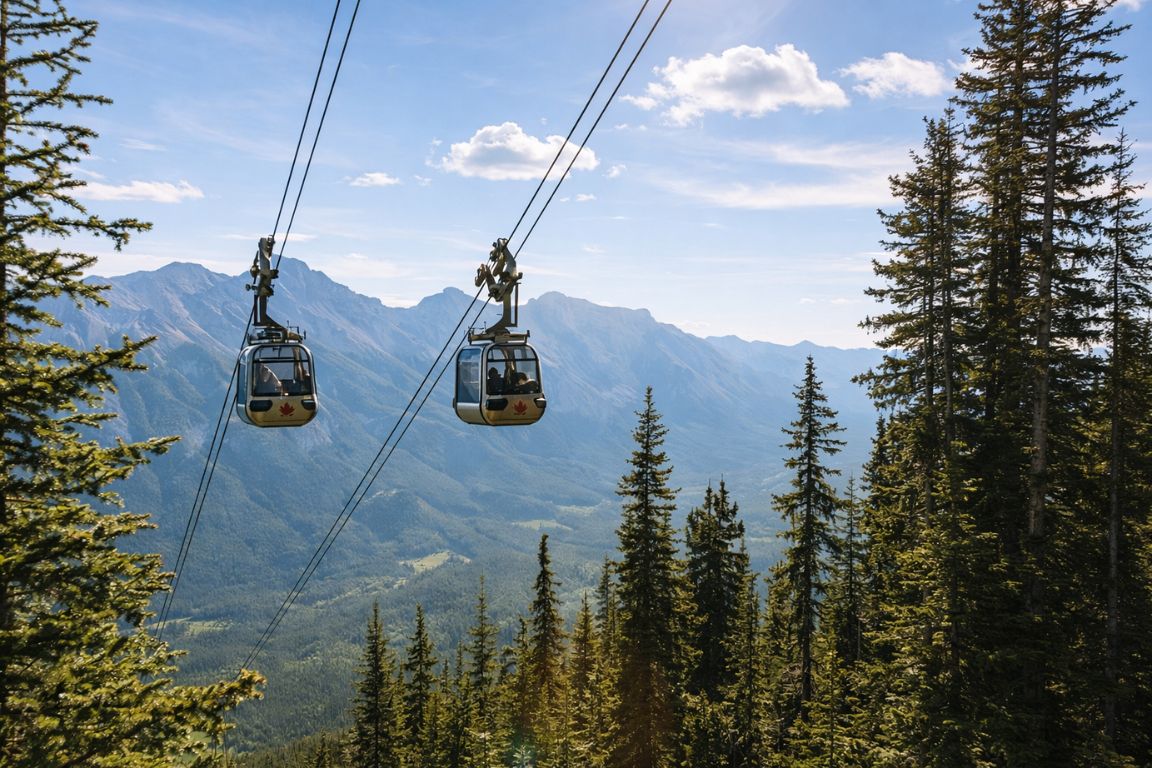 Hiking is free beyond your park pass. The Banff Gondola runs $74/adult. The Lake Minnewanka Cruise is $72/adult. White-water rafting ranges $95-145. Guided wildlife tours run $120-180 for a half-day. Ski lift tickets hit $140-165/day at the three SkiBig3 resorts. Moraine Lake itself is free once you get there, and getting there by Parks Canada shuttle costs $8/adult return.
The most important thing to understand about Banff’s activity costs: the best things are free. The top three hikes (Plain of Six Glaciers, Lake Agnes, Sentinel Pass) cost nothing. The Vermilion Lakes wildlife drive costs nothing. Watching elk graze at dusk on the Bow Valley Parkway costs nothing. If you’ve come to be in the mountains, the mountains ask only for your park pass.
The paid attractions are genuinely good. The Banff Gondola gets you to a 2,281-metre summit in 8 minutes with views of six mountain ranges, which is hard to argue against. The Lake Minnewanka Cruise operates May 8 to mid-October and gives you the only real boat perspective on the park’s largest lake. Neither is a tourist trap. Both are worth doing once.
If you’re planning multiple paid activities, the Pursuit Pass bundles the gondola, Lake Minnewanka Cruise, and other attractions at a discount. Worth comparing the math against individual ticket prices for your specific itinerary.
| Hiking (all major trails) | Free | Park pass required |
| Banff Gondola | $74 (dynamic pricing) | Book 48+ hours ahead; children 6-15 $37 |
| Lake Minnewanka Cruise | $72 | Opens May 8, 2026; children 6-15 $36; under 6 free |
| Johnston Canyon icewalk (winter) | $75-95 | Guided; microspikes included |
| White-water rafting | $95-145 | Depends on rapids difficulty |
| Guided wildlife tour (half-day) | $120-180 | Book 2-3 weeks ahead in peak season |
| Kayak/canoe rental (Lake Minnewanka) | $55-65/hour | AIS self-certification permit required |
| Ski lift ticket (SkiBig3) | $140-165/day | Ikon Pass accepted; children $45-55 |
| Backcountry camping permit | $13.50/person/night | Plus park entry |
| Wildlife drive / Vermilion Lakes | Free | Park pass required |
Prices verified March 2026.
We’ve guided families through Banff where the only paid activities were the gondola once and one guided tour, and they came home saying it was one of the best trips of their lives. The park doesn’t require you to spend money to be spectacular. The wildlife minibus links Bow Falls, Surprise Corner, Lake Minnewanka and Tunnel Mountain Drive with a guide. Choose it for routing and interpretation, not a guaranteed animal sighting. Our tours build an itinerary around your budget, not a fixed price list.
If you want to skip the research, here are the best Banff National Park tours based on guide quality, group size, and what you’ll actually experience beyond the standard stops.
What Are The Best Ways To Save Money In Banff?
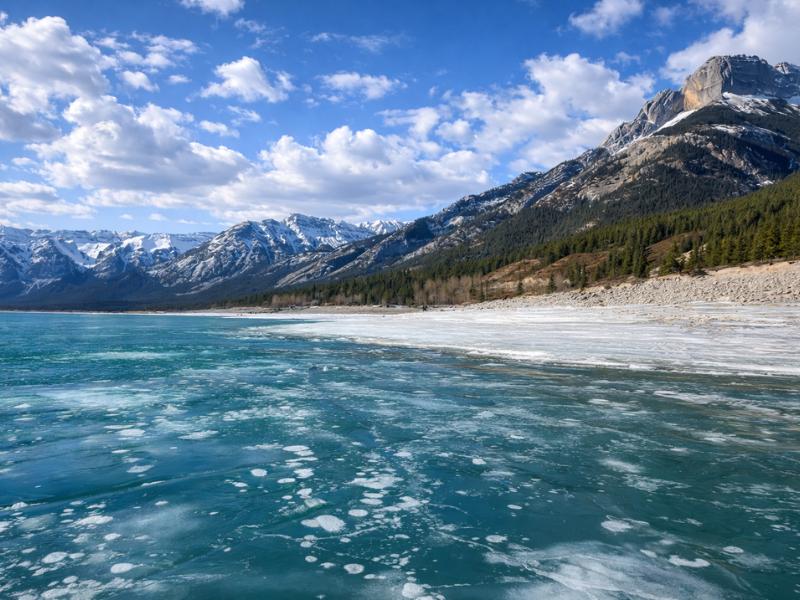
The Discovery Pass at $83.50/adult pays for itself after 7 days versus daily passes. Book accommodation 6-9 months ahead for summer. Visit in early May or late September for 30-50% lower hotel rates with minimal crowd tradeoffs. Use Roam Transit instead of driving. Self-cater breakfast and trail lunches. And if you’re visiting June 19 to September 7, 2026, park entry is completely free under the Canada Strong Pass.
The Discovery Pass math is simple: $83.50 versus $12.25/day. If you’re staying 7 days or longer, or if you’re planning any other national park visits within the calendar year, buy the pass. It covers Banff, Jasper, Yoho, Kootenay, and over 80 other Parks Canada locations for 12 months from purchase month.
Timing is the single biggest lever most travelers have. Hotel rates in early May and late September are 30-50% lower than peak summer, the trails are uncrowded, and the wildlife activity is often better. Late September brings larch season and elk rut. Both of those experiences are free. Many of our regulars, people who’ve been coming back for years, have deliberately shifted to shoulder-season trips and say they prefer them over high summer.
Timing can make or break your Banff experience. The best time to visit Banff National Park tours depends on whether you want summer hiking, fall larches, or winter skiing – and how many tourists you can handle.
Canmore as a base cuts accommodation costs 20-35% with a 20-minute drive tradeoff. The transit connection on Roam Route 3 makes the daily commute car-free if needed.
A few other moves that genuinely add up over a week:
Pack every trail lunch from the grocery store. Eat restaurant meals for dinner only, when you’re actually sitting down and enjoying the atmosphere, not fueling up mid-hike. Use the free parking lots (Train Station, Bear Street Parkade upper floors) and avoid the pay lots entirely. Book the gondola at least 48 hours ahead to access better pricing windows. And look for hotel packages that include parking, since downtown Banff parking adds up faster than most visitors budget for.
What Does A Banff Trip Cost By Budget Level?
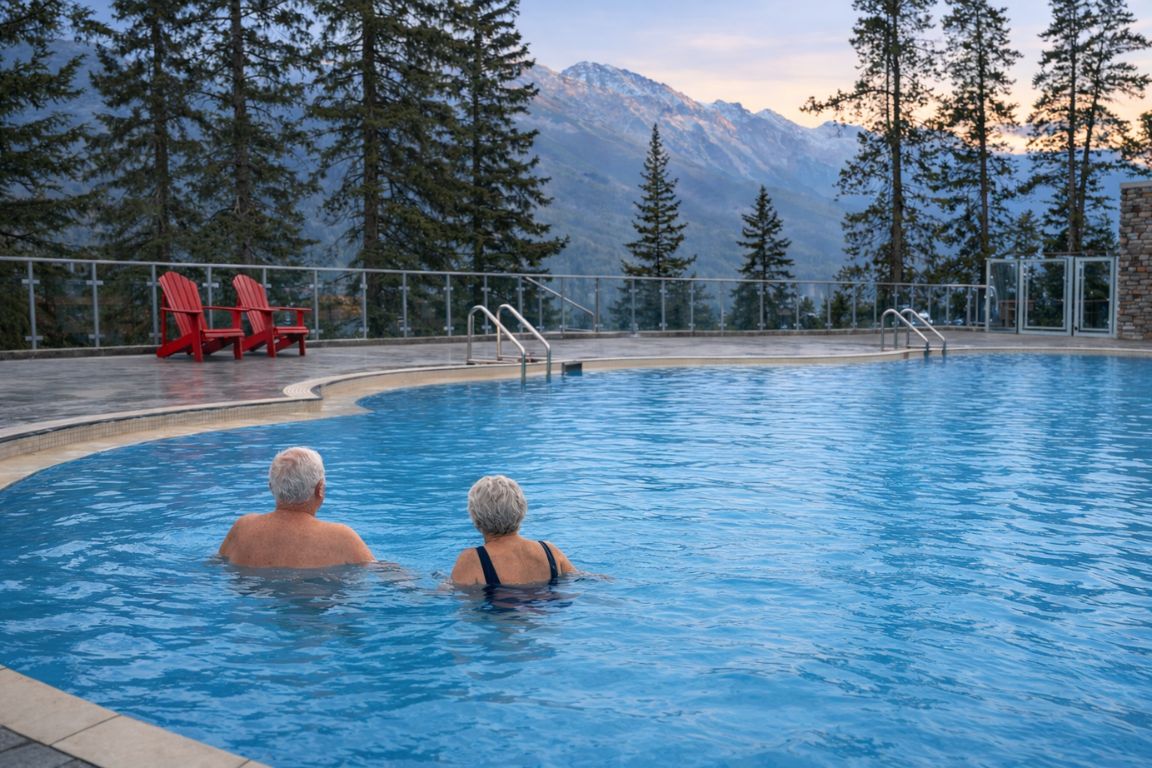 Budget travelers can do a 7-day Banff trip for roughly $600-800 per person by camping, self-catering, hiking, and using transit. Mid-range lands at $1,800-2,500 per person with a decent hotel, restaurant mix, and one or two paid activities. A luxury week runs $3,500-5,500+ per person. Costs are per person and assume sharing accommodation costs with one travel partner.
The budget scenario is more achievable than people expect. Camping at Tunnel Mountain (about $30/night shared), grocery shopping at Nesters ($30-35/day for food), hiking without guided tours, and using Roam Transit gets you to Banff’s best views without a huge daily spend. What you miss is convenience, comfort in cold weather, and the kind of local expertise that shortcuts three days of trial and error into one exceptional day. But the landscape doesn’t care how much you paid for your bed.
Mid-range is where most of our first-time clients land. Hotel with parking included, dinner out each night at a casual to mid-level restaurant, one or two paid attractions, and a rental car for flexibility. A comfortable, unhurried experience that doesn’t require making financial decisions in the parking lot.
Luxury at Banff is world-class. The Fairmont Banff Springs is a legitimate bucket-list hotel. Rimrock Resort has views that stop people mid-sentence. If that’s the experience you want, Banff delivers it, and it’s worth saving for.
| Accommodation | $200-250 (camping x6 nights shared) | $1,050-1,680 (hotel x6 nights) | $2,400-4,800 (Fairmont x6 nights) |
| Park entry | $83.50 (Discovery Pass) | $83.50 (Discovery Pass) | $83.50 (Discovery Pass) |
| Food | $175-280 (self-catered) | $420-700 (restaurant mix) | $1,050-1,750 (fine dining) |
| Transportation | $120-180 (shuttle + Roam) | $350-600 (rental car + fuel + shuttle) | $400-700 (car or private transfers) |
| Activities | $0-74 (free hiking + maybe gondola) | $150-300 (gondola + cruise + one tour) | $500-1,000+ (multiple guided tours) |
| Total (per person) | $580-870 | $2,050-3,360 | $4,430-8,330+ |
Estimates per person, based on sharing accommodation costs with one travel partner. Summer peak dates. All prices CAD. Verified March 2026.
What Our Travelers Actually Spend: Data From 8,600+ Guided Visitors
After over a decade of guiding travelers through Banff, we have a pretty clear picture of where the money actually goes versus where people think it will go. The surprises are consistent across budget levels.
| Travelers who booked accommodation 6+ months ahead | Paid an average 25-35% less per night than last-minute bookers for comparable rooms |
| Travelers using the Discovery Pass vs. daily passes on a 7-day trip | Saved $2.25 per adult per day; family of four saved ~$63 over a week |
| Biggest unexpected cost reported | Downtown Banff parking fees (averaging $30-50/day for those who drove without a plan) |
| Travelers who self-catered lunch every hiking day | Saved approximately $35-45/person/day vs. buying lunch at trail-adjacent cafes or returning to town |
| Most common “wish we’d known” budget item | Alberta tourism levy and DMF adding 10-13% to hotel bills above quoted nightly rate |
| Travelers who visited shoulder season (May or Sep) | Reported hotel savings of $100-200/night with similar or better trail access and wildlife sightings |
Based on observations from Banff National Park Tours client groups since 2014. Percentages are representative estimates.
The pattern we see most consistently: people arrive having budgeted for the headline costs (gondola, nice dinner, hotel) and get caught by the friction costs they didn’t anticipate. Parking, taxes, resort fees, tips, the extra $15 campfire permit, the beer at the summit cafe. None of those are large individually. Together they add 15-25% to what people expected to spend.
If your budget is tight, the solution isn’t to skip things. It’s to front-load the research so those costs don’t arrive as surprises. If you want help building a realistic itinerary that matches your actual budget, compare Banff National Park tours by duration and price.
What Hidden Costs Do First-Time Visitors Miss?
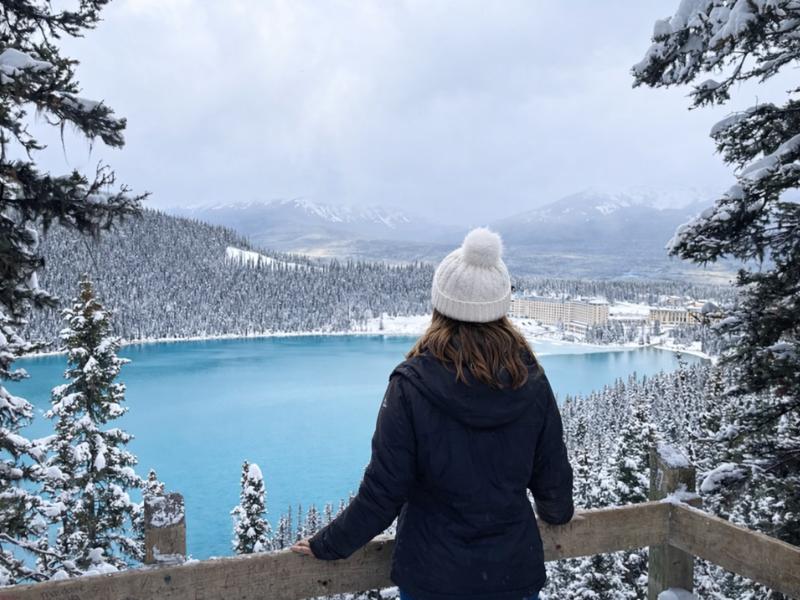
The biggest surprises for first-time Banff visitors are accommodation taxes (up to 13% above quoted rate), daily parking fees in the townsite ($12/hour or $30-40+/day), the campfire permit ($11/day, not included in camping fees), tipping culture, and gear rental or purchase costs for activities they didn’t plan to do but ended up wanting.
Taxes first. Alberta has no provincial sales tax, which sounds like good news. But Banff hotel bills come with a 5% GST, a 2% Destination Marketing Fee, and starting April 1, 2026, a 6% Alberta Tourism Levy (up from 4%). On a $300/night hotel room, that adds $39 per night above the quoted rate. Some properties also charge resort fees of $10–20/night for pool, Wi-Fi, or shuttle access. These are not always disclosed upfront on booking sites. Read the fine print before you confirm.
Parking, as covered elsewhere in this article, catches drivers off guard. The $12/hour metric in downtown Banff sounds manageable until you spend 4 hours there and walk out to a $48 parking bill. The free lots are real and useable but less obvious to first-timers who don’t know to look for them.
We’ve detailed parking in Banff National Park tours because it’s genuinely challenging now – shuttle-only zones, overflow lots, early arrival requirements, and reservation systems at major attractions.
The campfire permit is $11/day and not included in camping fees. Most campgrounds have fire pits. It’s easy to assume the fire is part of what you paid for. It isn’t.
Tipping is expected in Alberta at roughly 15-18% at restaurants. Some Banff restaurants auto-add gratuity for larger parties or, occasionally, for international visitors. Check your bill before adding your own tip on top of one that’s already there.
Bear spray. Not optional. Rentals run $10-15/day and purchases run $40-60. First-time visitors who don’t know this either skip it (a bad idea given 70+ grizzlies and 35-40 black bears in the park) or discover the cost on arrival when they’re already at the trailhead. Budget for it.
Finally, the costs of things you’ll want but didn’t plan for: a rainy day coffee that turns into a $40 lunch, the waterproof jacket you forgot, the nicer restaurant you decide to splurge on because the mountains are that good. Build 15-20% buffer into any Banff budget. In 11 years of guiding here, we’ve never met a traveler who regretted having a little extra room to say yes.
Questions about building a Banff itinerary that fits your actual budget? Avery and the team answer them every day. See the current tour list.
Frequently Asked Questions
How much does a 5-day Banff trip cost per person?
A 5-day budget trip (camping + self-catering) runs roughly $450-650 per person. A mid-range trip with hotel and restaurant meals costs $1,400-2,000 per person. Luxury can run $3,000-5,000+. These estimates are per person assuming shared accommodation costs with one travel partner. Prices are in Canadian dollars and verified March 2026.
Is the Parks Canada Discovery Pass worth it for a Banff trip?
Yes, for trips of 7 or more days. The Discovery Pass costs $83.50 per adult (verified March 2026) versus $12.25/day for a daily pass. At 7 days, the math breaks even. For longer trips or if you plan to visit other national parks during the year, the Discovery Pass is clearly worthwhile. It covers Banff, Jasper, Yoho, Kootenay, and 80+ other Parks Canada locations for 12 months.
Is it cheaper to stay in Canmore instead of Banff?
Yes, accommodation in Canmore typically runs 20-35% cheaper than comparable options in Banff townsite. Mid-range hotels in Canmore average $200-300/night in summer versus $300-420/night in Banff. The tradeoff is a 20-minute drive each day into the park. For travelers on a budget, the savings over a week can be substantial. Canmore also has good access to Roam Transit connections into Banff.
When is the cheapest time to visit Banff?
April and early May offer the lowest accommodation rates, often 40-50% below peak summer prices. November is also low-season, though days are short and some services are limited. For the best balance of lower prices, good weather, and full trail access, early May and late September are the sweet spots. Late September also brings larch season and the elk rut, both free and spectacular.
Is park entry free during the Canada Strong Pass period?
Yes. The Canada Strong Pass provides free park entry from June 19 to September 7, 2026 for everyone. Parks Canada also offers a 25% discount on camping fees during this period. Youth 17 and under are always free, year-round, regardless of the Canada Strong Pass.
What taxes are added to Banff hotel bills?
Banff hotel bills include 5% GST, a 2% Destination Marketing Fee, and starting April 1, 2026, a 6% Alberta Tourism Levy (increased from 4% on that date). Some properties add a resort fee of $10-20/night. In total, expect 10-15% above the quoted nightly rate. Booking before April 1, 2026 locks in the lower 4% levy rate for pre-booked stays.
Written by Avery Claire Thompson
Canadian tour guide since 2014 · Founder, Banff National Park Tours
Avery has guided over 8,600 travelers through Banff National Park and the Canadian Rockies since founding the agency.
Fit One Experience Into Your Budget
Compare a guided day with the independent options in this guide. Confirm your date and meeting point before booking.
Match These Options To Your Trip
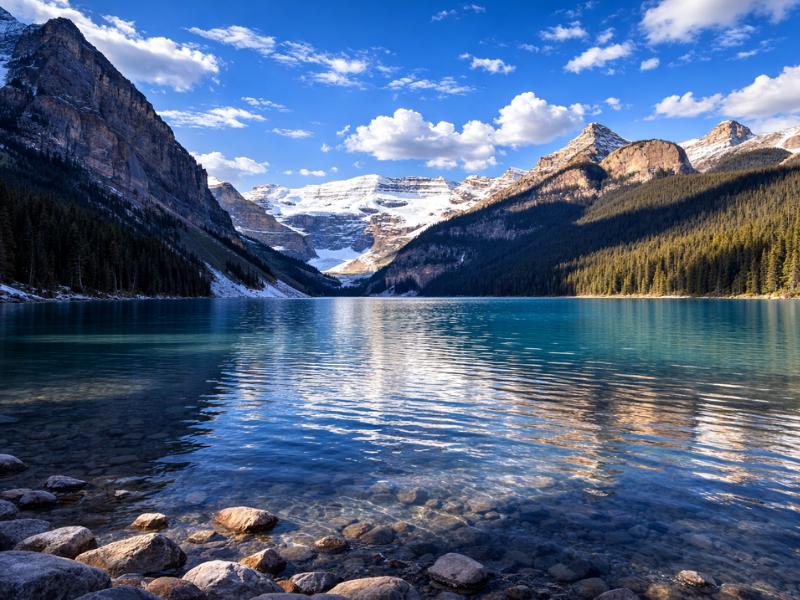 Our Starting Recommendation
Lake Louise And Moraine Lake Day Tour
Link the two lakes without organising separate transport.
8–10 hours · English
Pickup in Calgary, Canmore or Banff; confirm the selected meeting and end points.
Guide, transport and listed lake access. Meals and personal expenses extra.
No wheelchair access. Bring your own child seat for children under 7. Moraine Lake is seasonal.
Visit The Two Lakes ↗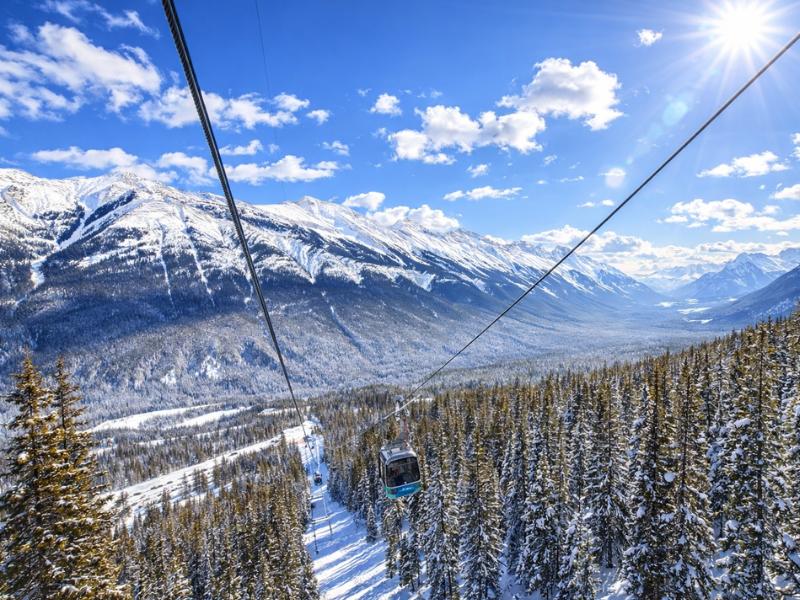 A Different Way To Spend The Day
Banff Gondola Summit Ticket
Reach Sulphur Mountain’s views without hiking the ascent.
Timed entry; ticket validity is 1 day · English
Make your own way to the Sulphur Mountain base.
Return gondola ride and summit interpretive facilities. Food, park admission and parking extra.
No strollers. Arrange accessibility requests with the operator at least 72 hours ahead. Confirm your return time.
Book The Summit Ride ↗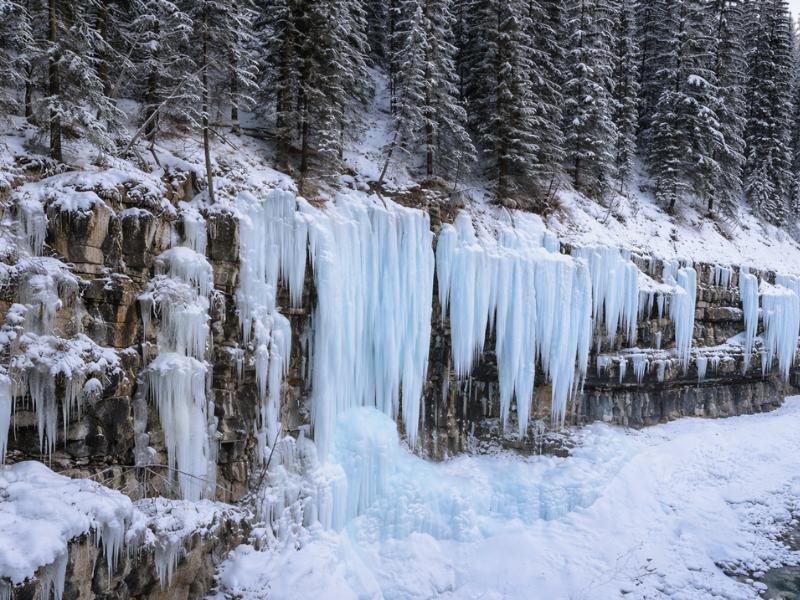 A Different Way To Spend The Day
Johnston Canyon Guided Icewalk
Walk to frozen waterfalls with a guide, ice cleats and poles provided.
4 hours · English
Banff pickup; confirm the listed morning or afternoon meeting time.
Guide, transport, ice cleats, poles, hot chocolate and cookie. Tips extra.
Ages 8+. A 5.4 km round trip with 135 m elevation gain. Moderate fitness and your own winter clothing needed.
Walk The Frozen Canyon ↗No choices needed to use the recommendations above.
Work Out The Cost For Your Group
Enter complete quotes in CAD for the same people, date and itinerary. Include transport, parking, entry, food and any other extras on both sides. For shared versus private, enter the shared total first and private total second.
Use current quotes; no prices or savings are assumed.
Turn Your Plan Into A Day Out
Keep the free hiking plan if the numbers are tight, or add the single experience that replaces the most transport and planning effort.
Your Next StepLake Louise And Moraine Lake Day Tour
Link the two lakes without organising separate transport.
8–10 hours · English
Pickup in Calgary, Canmore or Banff; confirm the selected meeting and end points.
Guide, transport and listed lake access. Meals and personal expenses extra.
No wheelchair access. Bring your own child seat for children under 7. Moraine Lake is seasonal.
Visit The Two Lakes ↗Choose Your Date
Lake Louise And Moraine Lake Day Tour
Open the provider’s calendar to select your date, party and departure. Availability and prices are confirmed there.
Dates On GetYourGuide
Banff Gondola Summit Ticket
Choose a date and party to see current options. Confirm the meeting point and restrictions on the listing.
More Banff Sightseeing On Viator
Browse the site’s original Viator selection of Banff day tours, wildlife outings and lake excursions. These are additional ideas, not matches to the trip form. Check dates, duration, pickup and suitability on each listing.
Open The Recommended Outing ↗