Banff Without A Car
Yes, you can visit Banff without a car. Shuttles from Calgary and Roam Transit reach major sights - plus Banff town and trails are easily walkable.
A car-free Banff trip works best when you reserve the few transport legs that public transit cannot reliably cover. Build Your Car-Free Banff Plan
Last updated: April 29, 2026
Your Experience Plan: Use Roam and walking for the core park, then compare an airport shuttle, a lake day with pickup, and a short wildlife drive for the genuine gaps.
Banff Without A Car: Quick Facts
| Calgary Airport to Banff | Brewster Express / Banff Airporter | ~$60-$80 one-way | Hotel drop-off; hourly departures |
| Calgary Downtown to Banff (seasonal) | On-It Regional Transit | ~$13 one-way | Fri/Sat/Sun/holidays; May-Sept |
| Within Banff town | Roam Routes 1, 2, 4 | $2/ride | Gondola, Hot Springs, Cave & Basin |
| Banff to Canmore | Roam Route 3 | $2/ride | Daily, year-round |
| Banff to Johnston Canyon | Roam Route 9 | $5/ride | Daily May-Oct; weekends only in winter |
| Banff to Lake Louise + Moraine Lake | Roam Super Pass (Route 8X + connector) | $30/day | Reserve in advance; fills fast |
| Banff to Lake Minnewanka | Roam Route 6 | $2/ride | Seasonal, May-Oct |
Fares verified March 2026 against official Roam Transit schedule. Children 12 and under ride free on all Roam routes. Reservations required on Route 8X during summer.
Can You Actually Visit Banff National Park Without A Car?
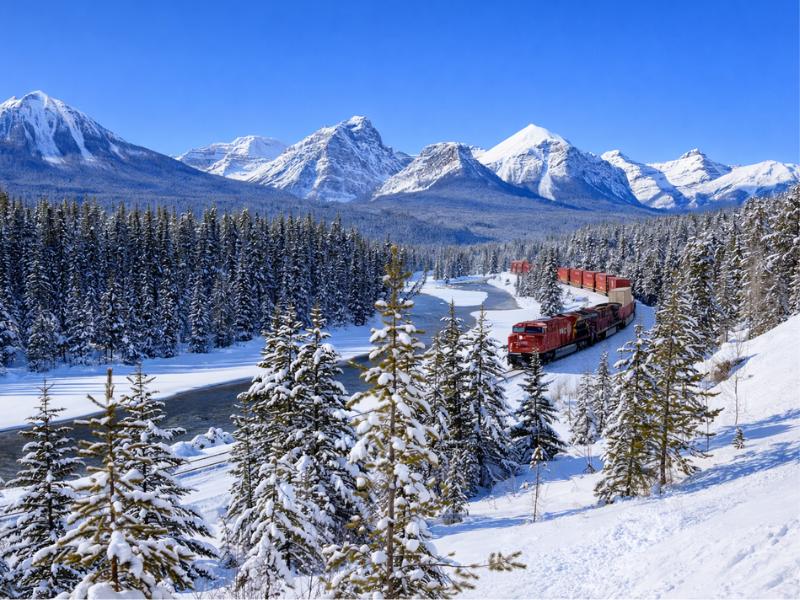
Yes, and for many travelers visiting in summer, going car-free is genuinely the better choice. The Roam Transit system carried over 2.7 million passengers in 2024 and covers every major attraction including the Gondola, Johnston Canyon, Lake Louise, Moraine Lake, and Lake Minnewanka. The town of Banff itself is compact and walkable, and dozens of trailheads sit within walking or cycling distance of Banff Avenue. The honest limitation is flexibility: remote corners of the park and spontaneous drives on the Icefields Parkway require wheels.
There’s a moment every summer when the question of whether to rent a car answers itself. You’re sitting in slow traffic on the Lake Louise access road, watching shuttle buses glide past in a dedicated lane, and the parking lot at the lakeshore has been full since 6 a.m. The travelers on those buses aren’t compromising. They’re winning.
Banff has been building out its car-free infrastructure for years. The numbers reflect it. Over 40 buses operate in the valley during summer. Moraine Lake Road has been closed to private vehicles entirely. The Lake Louise parking lot runs $42 per day. Parks Canada isn’t subtly discouraging driving to these places. They’re making the transit option the obvious one, and the system has responded.
Where it gets more complicated: the Icefields Parkway, remote backcountry trailheads, and any spontaneous idea you have at 10 p.m. about driving to a viewpoint. A car gives you the full park. Transit gives you the best of it. Most first-time visitors, and many return visitors, find that distinction doesn’t matter much in practice.
We’ve been running guided tours in this park since 2014. The travelers who stress most about transportation are almost always those who never fully committed to one approach. Pick the car-free path, plan around the transit and tour networks, and it works cleanly. Our team at Banff National Park Tours has been doing exactly that for our guided groups for over a decade.
How Do You Get From Calgary Airport To Banff Without A Car?
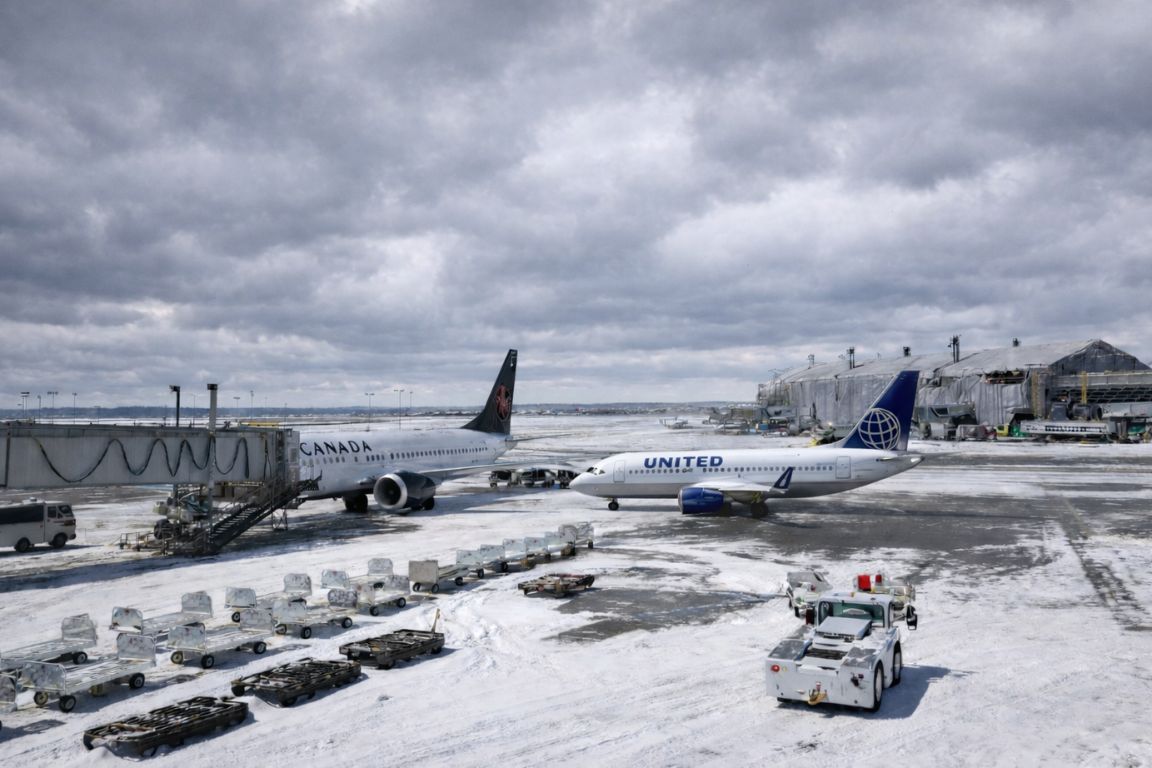 Several shuttle companies run daily service between Calgary International Airport (YYC) and Banff, with hotel drop-off included. Brewster Express and Banff Airporter are the two main operators, both running multiple daily departures and costing roughly $60-$80 per person one-way. The budget option is On-It Regional Transit at around $13 one-way, but it runs only on weekends and doesn’t serve the airport directly – it departs from downtown Calgary.
Calgary Airport sits about 128 km from the Town of Banff. The drive is straightforward, an hour and forty minutes on a clear day, longer on a summer Friday. The airport shuttle services have the logistics figured out. Brewster Express operates out of the arrivals hall, departs roughly every 90 minutes, and drops travelers at hotels throughout Banff, Canmore, and Lake Louise. Banff Airporter works similarly, with door-to-door service and a longer operating history going back to 1997. Both are reliable, both have good reviews, and both make more sense than renting a car you’ll spend the first two days trying to park.
The cheapest option is On-It Regional Transit, a seasonal service running between downtown Calgary and Banff for around $13 one-way. It’s designed more for Calgary residents heading to the mountains than for arriving international travelers, since it doesn’t connect to the airport. But if your Calgary stop includes a night downtown, or you’re flying into Calgary early and spending time in the city before heading to Banff, On-It is genuinely excellent value. On-It riders also get free Roam Transit access for local routes in Banff on the same day of travel.
| Brewster Express | Yes (YYC arrivals) | ~$60-$80 | Every ~90 min, year-round |
| Banff Airporter | Yes (YYC arrivals desk) | ~$60-$80 | Daily, multiple departures 5 a.m.-10:30 p.m. |
| Mountain Park Transportation | Yes (YYC) | From ~$70 | Daily year-round |
| On-It Regional Transit | No (downtown Calgary only) | ~$13 | Fri/Sat/Sun/holidays, May-Sept |
| Vivo Green / The Fairy Bus | Yes (YYC) | Budget options, check current rates | Daily departures |
Prices verified March 2026. Rates fluctuate seasonally. Book in advance during summer; peak departures sell out.
One practical note that saves time: both Brewster Express and Banff Airporter have dedicated desks in the arrivals hall at YYC. You don’t need to leave the terminal to find your ride. Give yourself 45 minutes from landing to bus for domestic arrivals, 60 minutes for international.
Need help with logistics? Check out our breakdown on how to plan a Banff National Park trip – from getting there to navigating summer crowds to booking those hard-to-get campsites.
How Does The Roam Transit System Work In Banff?
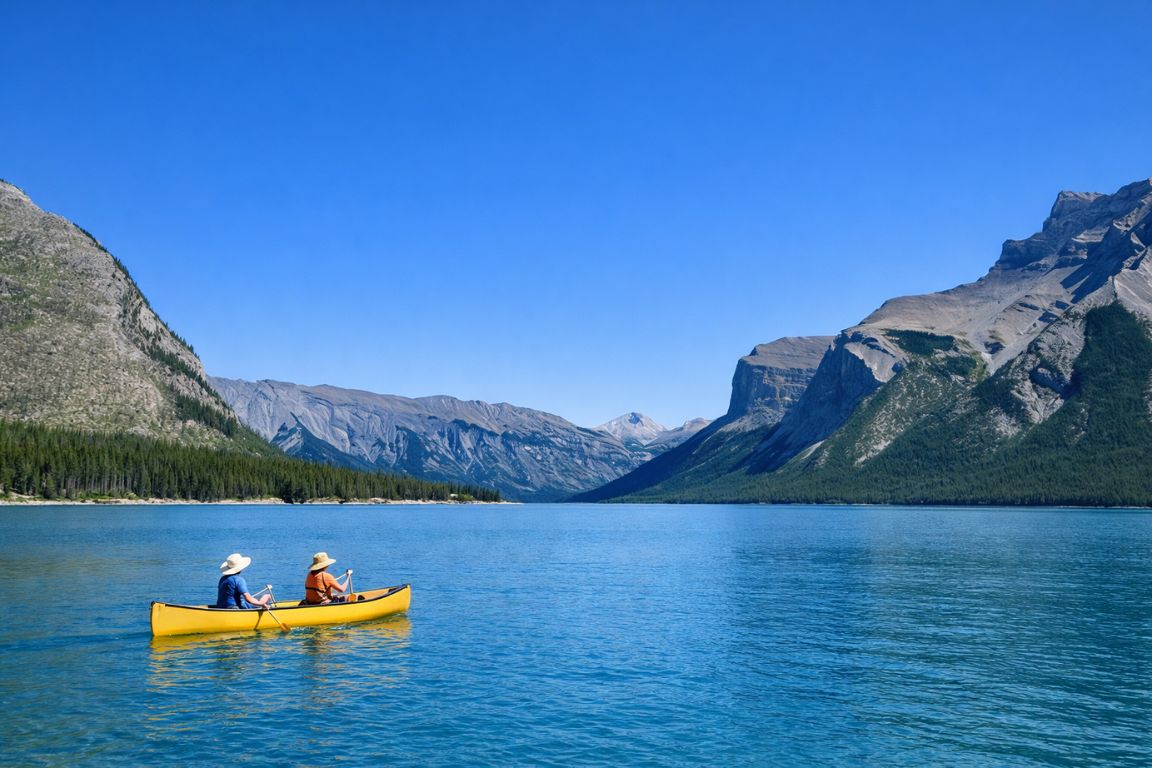 Roam Transit is Banff’s public bus network, covering the town of Banff, Canmore, Lake Louise, Johnston Canyon, and Lake Minnewanka across nine routes. Local in-town routes (1, 2, 4) cost $2 per adult ride. The Route 8X express to Lake Louise costs $12.50 per adult. The $30 Reservable Super Pass gives unlimited all-day access to every route including the Moraine Lake connector. Children 12 and under ride free on all routes but still need a reservation for Route 8X.
The system is more useful than most first-timers expect. Nine routes cover the core visitor geography of the park, and the frequency in summer, with over 40 buses operating in the valley, means you’re rarely waiting more than 20-30 minutes for a local town bus. The Transit app shows live bus locations and lets you buy tickets on your phone. Exact cash is also accepted if you prefer.
Here’s how the routes break down for a visitor without a car:
Route 1 runs along Banff Avenue up to the Gondola and the Upper Hot Springs. Route 2 connects Tunnel Mountain campgrounds through town to the Fairmont Banff Springs Hotel. Route 4 (seasonal, May-Oct) links downtown to the Cave and Basin National Historic Site and Bow Falls. Route 6 (seasonal, May-Oct) heads out to Lake Minnewanka, Johnson Lake, and Two Jack Lake. Route 9 (seasonal, daily May-Oct, weekends only in winter) goes directly to Johnston Canyon. Route 3 runs year-round between Banff and Canmore.
The Route 8X is the one that requires the most planning. It runs year-round from Banff to Lake Louise, but during summer the demand is high enough that reservations are essential. The $30 Reservable Super Pass includes a round-trip reservation on 8X, unlimited travel on all other routes, and access to the Parks Canada Lake Connector Shuttle between Lake Louise and Moraine Lake. That last piece is critical: there is no other non-driving way to reach Moraine Lake. The Super Pass is the key.
Some hotels in Banff pay for free Roam passes on local routes for their guests. Worth asking at check-in before you buy your own. And a detail that catches people: there’s free 9-hour parking at the Banff Train Station, a 7-10 minute walk from the main Roam Transit hub. If you’re driving partway and then going car-free, that’s your base.
How Do You Get To Lake Louise And Moraine Lake Without Driving?
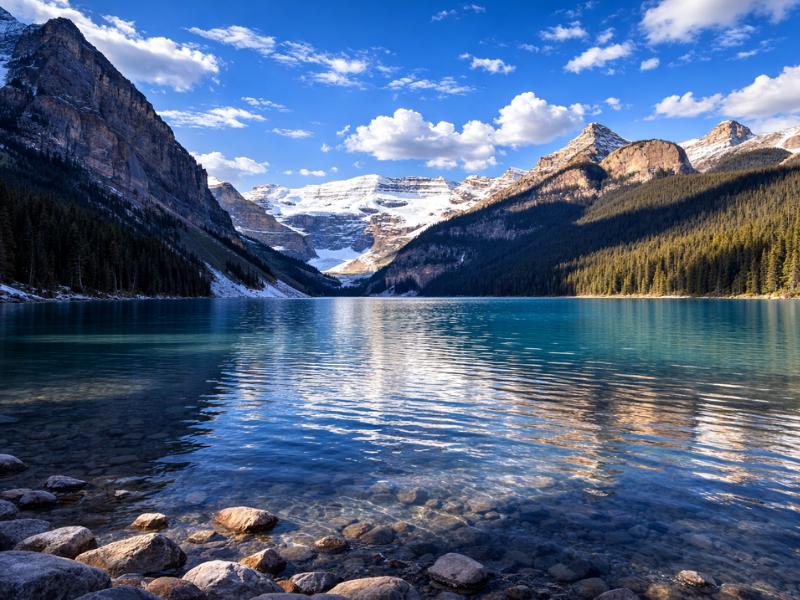
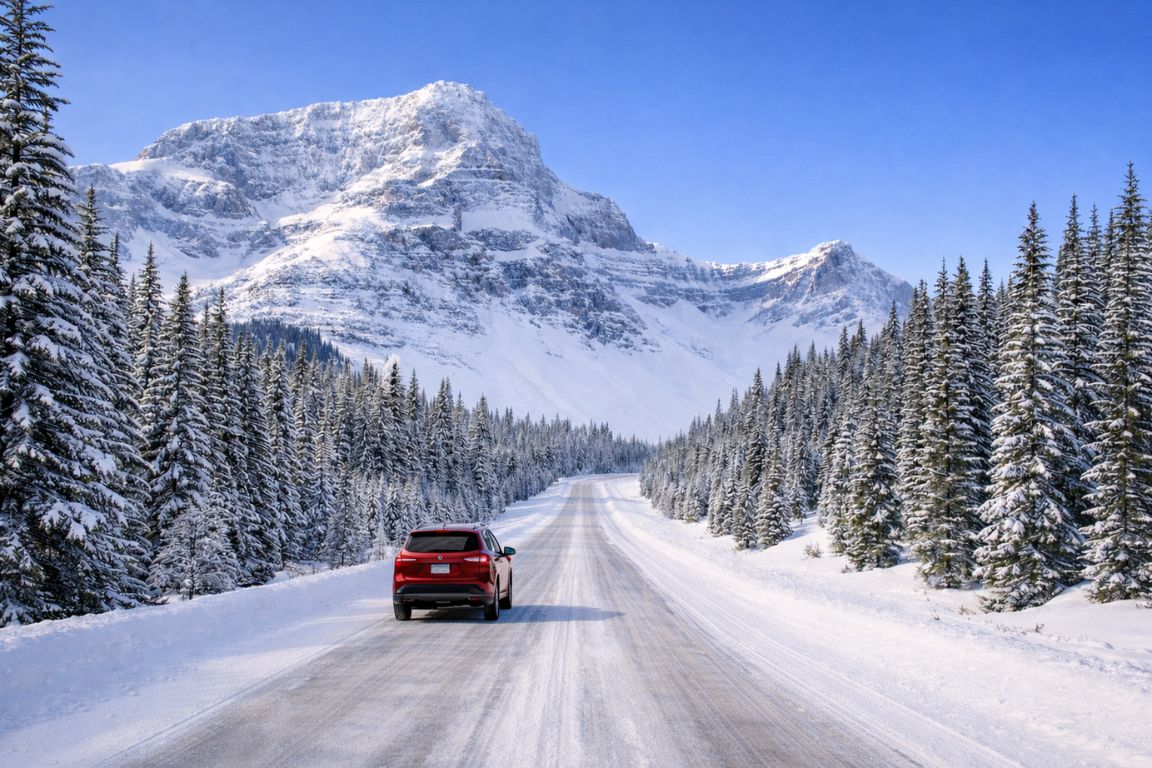 Take the Roam Route 8X from Banff to Lake Louise ($12.50 one-way, or covered by the $30 Super Pass). From Lake Louise lakeshore, the Parks Canada Lake Connector Shuttle runs to Moraine Lake every 30 minutes from 7 a.m. to 7 p.m., from June 1 to mid-October. Access to the connector is included with the Super Pass. Moraine Lake Road is closed to private vehicles entirely, so transit or a guided tour is not just convenient – it’s the only option.
Getting to Moraine Lake without a car is no longer harder than getting there with one. It’s actually easier. The road is closed. Full stop. If you show up in a private vehicle, you turn around. The shuttle system exists specifically because Parks Canada made that choice, and it’s been working. Seats on the connector fill on a first-come, first-served basis after you check in at the Lake Louise Park and Ride.
Planning a visit? Check out our Moraine Lake travel guide – access has changed completely and you need to understand the shuttle system before you go.
The Super Pass reservation for Route 8X opens 48 hours in advance. In peak summer, those slots have historically sold out within minutes of opening. Set a reminder. Book the moment the window opens. Coming without a reservation and hoping for walk-up seats in July is a gamble that doesn’t always pay off.
Sunrise at Moraine Lake is a specific situation. If you want to be there for first light, the shuttle system’s earliest departure may not get you there in time depending on your date and location. Private shuttle companies like Via Via and Radventures run sunrise-specific services from Banff and Canmore that start as early as 4 a.m. These cost more than Roam, typically starting around $99 per person, but they solve the timing problem cleanly. For some travelers, that’s exactly the right spend.
Need the full breakdown? Our complete Lake Louise guide walks you through everything from parking logistics to hiking options to when the lake actually looks turquoise.
Questions about timing your Lake Louise and Moraine Lake day without a car? Our guides have run this itinerary hundreds of times and can help you build a plan that actually works.
Which Banff Hikes And Attractions Are Accessible Without A Car?
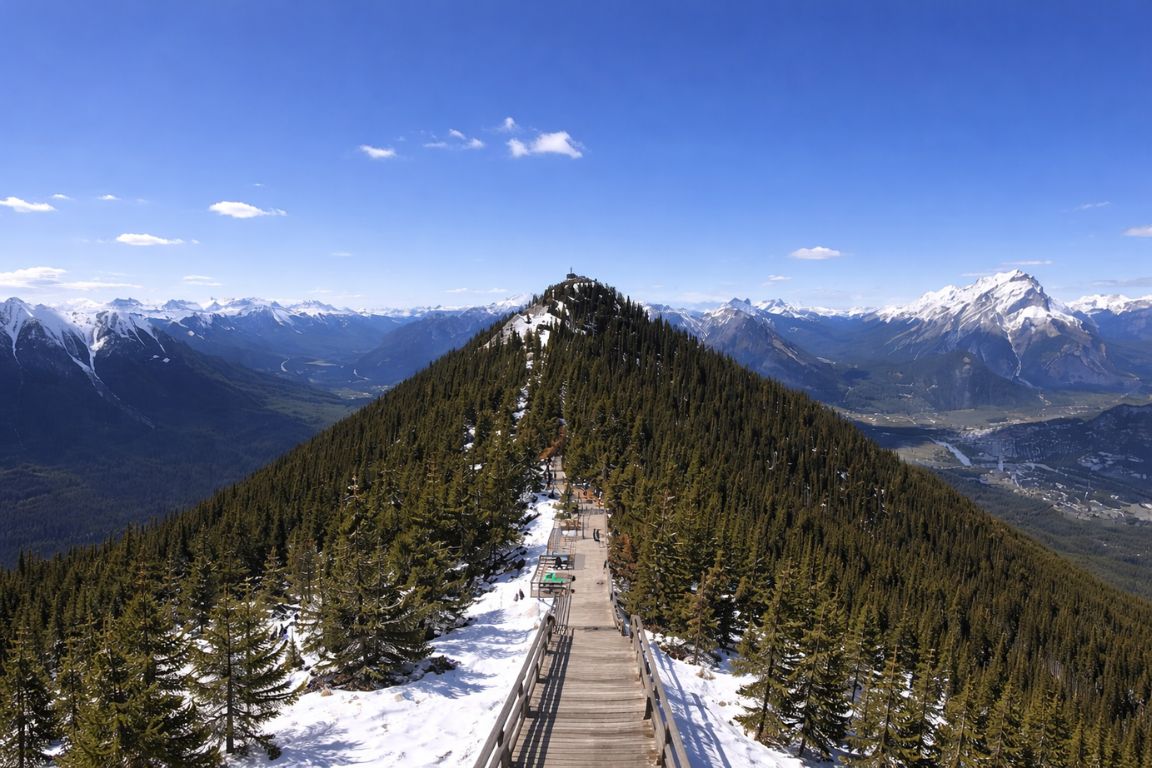 More than 50 trails in and around Banff are accessible by transit, shuttle, or on foot from the town. Highlights include Tunnel Mountain (walk from Banff Avenue), Johnston Canyon (Roam Route 9), Sulphur Mountain (Roam Route 1 to Gondola base), Lake Agnes Tea House and Plain of Six Glaciers (from Lake Louise lakeshore), Aylmer Lookout (Roam Route 6 to Lake Minnewanka), and Sunshine Meadows (free shuttle from Banff). The town itself offers Bow Falls, the Hoodoos Trail, Fenland Loop, and Sundance Canyon with no transit needed at all.
The list of what you can’t easily reach without a car is shorter than most people think. Peyto Lake, Bow Lake, Parker Ridge, and most of the Icefields Parkway stops between Lake Louise and Jasper require a vehicle or a guided tour. Everything else, the core Banff experience that most first-timers and many repeat visitors are actually there for, is accessible.
Tunnel Mountain is the place to start for anyone new to the park. The trailhead is a 15-minute walk from Banff Avenue. The summit takes 1-2 hours return and delivers views over the entire Bow Valley, the Fairmont, and the surrounding peaks. It’s modest elevation gain, child-friendly, and genuinely beautiful. We see it underestimated constantly by travelers who drove past it to do something bigger. Don’t.
Johnston Canyon deserves its reputation. The catwalks bolted into the canyon walls, the slot canyon acoustics as the creek rushes below your feet, the lower falls emerging from a tight gorge. You can get there on Roam Route 9 for $5 each way. The upper falls and the ink pots beyond them add mileage but nothing in terms of access difficulty.
The free shuttle to Sunshine Village changes the calculation for alpine hiking. You board in Banff and ride up to a gondola base at 2,220 meters. A gondola ride from there accesses Sunshine Meadows, a high alpine plateau with wildflowers, lakes, and ridgeline views that rival anything in the Canadian Rockies. No car, no trailhead navigation. Just show up and ride.
Curious about where to hike? Here are the best hiking trails in Banff National Park tours – what’s doable for different fitness levels, what requires permits, and which ones deliver the best bang for your effort.
| Tunnel Mountain | Walk from Banff Ave (15 min) | Easy-moderate | 4.8 km return; great town views |
| Bow Falls + Hoodoos | Walk or Roam Route 2 | Easy | Riverside walk; Fairmont viewpoints |
| Sundance Canyon | Walk or Roam Route 4 to Cave & Basin | Easy | 7.6 km return; waterfall canyon |
| Sulphur Mountain (hike up) | Roam Route 1 to Gondola base | Moderate | 11 km return; ride gondola down if tired |
| Johnston Canyon | Roam Route 9 ($5/ride) | Easy | 5.5 km to upper falls; iconic catwalks |
| Lake Minnewanka shoreline | Roam Route 6 (seasonal) | Easy | Variable; connects to Aylmer Lookout |
| Lake Agnes Tea House | Roam 8X to Lake Louise lakeshore | Moderate | 7.4 km return; iconic teahouse |
| Plain of Six Glaciers | Roam 8X to Lake Louise lakeshore | Moderate | 13.8 km return; moraine, teahouse |
| Sunshine Meadows | Free shuttle from Banff + gondola | Easy-moderate | Alpine plateau; wildflowers |
| Grassi Lakes (Canmore) | Roam Route 3 to Canmore, Route 12 | Easy-moderate | 2 stunning turquoise lakes |
Transit routes verified March 2026 against official Roam Transit schedule. Seasonal routes (4, 6, 9) typically run May to mid-October; confirm current dates at roamtransit.com.
What Are The Biggest Challenges Of Going Car-Free In Banff?
 The three real challenges of visiting Banff without a car are: Route 8X reservations that sell out fast requiring advance planning, limited access to the Icefields Parkway corridor between Lake Louise and Jasper, and the reduced flexibility of operating on a schedule in a place where weather and wildlife encounters don’t follow one. None of these are dealbreakers for most travelers. They’re planning considerations.
The reservation pressure on Route 8X is the most concrete issue. Historically, in peak summer, the 48-hour advance release of seats sells out within minutes. This is not an exaggeration we’ve seen in traveler forums. It’s a consistent pattern. If Moraine Lake is on your list, and it should be, build your trip calendar around locking in that reservation the moment the window opens. The alternative, a private tour or shuttle with hotel pickup, sidesteps the problem entirely by reserving its own transport directly.
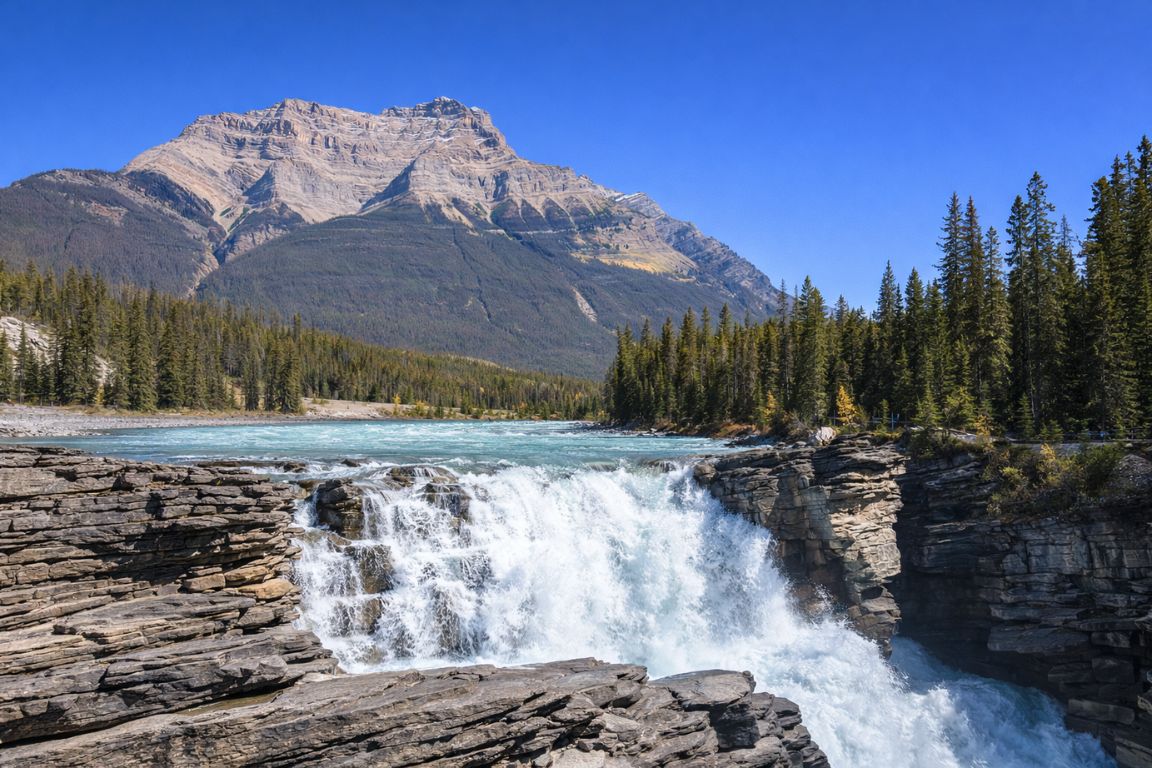
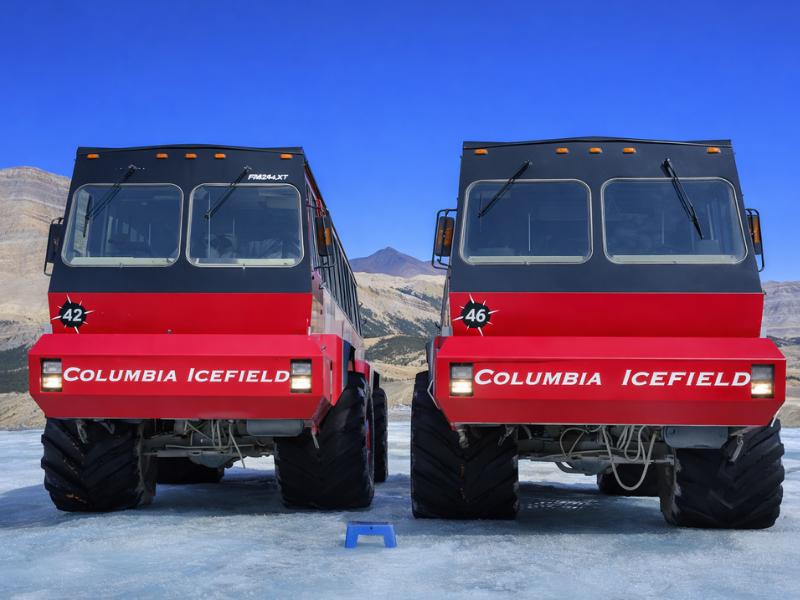
The Icefields Parkway is Banff’s most significant car-free gap. The 230-km drive between Lake Louise and Jasper passes Bow Lake, Peyto Lake, Crowfoot Glacier, the Columbia Icefield, Athabasca Falls, and a dozen other stops that make it one of the most celebrated scenic drives in the world. There is no public transit along this route. Tours cover it, guided or otherwise, and a day tour on the Parkway from Banff with a reputable operator runs $100-$200 per person. That’s not a hardship. But it’s not the same as pulling over anywhere, anytime, for as long as you want.
The other real limitation: winter. The Roam system runs year-round on core routes, but seasonal services contract significantly after mid-October. Johnston Canyon goes weekends-only. Lake Minnewanka service stops. The Sunshine free shuttle operates a different schedule. A car-free winter visit is workable but requires more careful itinerary planning than a summer trip, and some of the park’s winter highlights (certain backcountry ski approaches, Icefields Parkway in snowfall) are car-dependent by nature.
Need winter activity ideas? Our guide to Banff National Park tours winter activities covers everything from downhill skiing to ice walks to snowshoeing under the peaks.
There’s also a subtler challenge that experienced Banff travelers will recognize: the park’s best wildlife viewing often happens on drives. Bighorn sheep on Minnewanka Loop Road. Elk on the Bow Valley Parkway at dusk. A bear sow and cubs on the shoulder of the Trans-Canada at a moment when you can pull over and watch for twenty minutes. Transit doesn’t replicate that experience. Guided tours get close to it. But the spontaneous roadside wildlife encounter is genuinely something a car-free visitor trades away.
Is It Cheaper To Visit Banff Without A Car?
Usually, yes, though the difference narrows when you add up guided tours to compensate for the routes transit doesn’t cover. A rental car from Calgary typically costs $75-$120/day plus fuel and parking. The Roam Super Pass runs $30/day. Skipping the $42 Lake Louise lakeshore parking fee alone justifies a couple of days of transit passes. Where the savings compress: if you’re booking private sunrise shuttles or full-day guided tours to replace driving, those costs add up toward car rental territory.
Run the numbers for a 5-day summer trip with two people. A mid-size rental car from Calgary costs roughly $90/day times five days: $450. Add fuel for daily driving inside the park: $60-$80. Add parking: $42 for one Lake Louise day, paid parking in downtown Banff for several days: add another $50-$80. Total vehicle cost: $560-$610 for two people.
Now the car-free version. Two $30 Super Passes for the Lake Louise and Moraine Lake day: $60. Roam local routes at $2/ride for several days: $30-$40 per person. Brewster Express from the airport return: $130-$160 for two. Total transit: roughly $220-$260 for two people across five days. That’s a real difference, $300-$350 saved, which covers a guided Icefields Parkway tour or a private sunrise shuttle with room to spare.
The math shifts if you’re a group of four or five. Car rental becomes cheaper per person, parking is shared, and the comparative transit cost doesn’t scale as favorably. For solo travelers and couples, car-free is almost always the more economical choice.
Not sure what to budget? Check out our Banff National Park tours travel budget guide – the park and surrounding towns are pricey, and knowing where money disappears helps you plan realistically.
What Car-Free vs. Car-Based Travelers Spend: Observations from 8,600+ Guided Guests
After guiding over 8,600 travelers through Banff since 2014, we’ve observed consistent patterns in how car-free and car-based visitors differ in their experience and spending. These observations are drawn from our guided traveler base.
| Transportation (5 days, 2 people) | $220-$260 (shuttles + transit) | $560-$610 (rental + fuel + parking) |
| Guided activities booked | Higher – replaces driving days | Lower – self-drive flexibility |
| Time spent on logistics / parking | Less – transit handles it | More – peak season parking is genuinely stressful |
| Icefields Parkway access | Requires guided tour ($100-$200/person) | Self-drive anytime |
| Wildlife viewing flexibility | Limited to transit corridors / tour stops | Spontaneous roadside encounters possible |
| Traveler stress level (summer) | Lower – no parking competition | Higher – summer parking is a daily challenge |
| Overall trip satisfaction | High when planned well | High with car; frustrating without advance planning |
What Are The Best Tips For Planning A Car-Free Banff Trip?
The single most important thing you can do is book the Roam Route 8X reservation the moment the 48-hour window opens if Moraine Lake or Lake Louise is on your itinerary. Beyond that: pre-purchase airport shuttle tickets before you land, download the Transit app for live Roam bus tracking, check into your hotel about complimentary transit passes, and build at least one guided day tour into your trip to cover the Icefields Parkway. Everything else follows from those decisions.
Start with the Transit app. It shows live bus locations, departure times, and lets you buy tickets. In a system with 40+ buses running around a small valley, knowing exactly where your next bus is matters. Waiting 5 minutes because you can see it coming is a different experience from waiting 25 minutes wondering if you missed it.
Check complimentary transit at your hotel. A number of Banff properties pay for their guests’ Roam local route passes. That’s not a small thing; local rides add up across a week. The front desk will know. If it’s not offered, you can buy passes at the Banff Visitor Centre on Banff Avenue, at ticket vending machines around town, or on the Transit app.
Free parking at the Banff Train Station is a resource even car-free travelers can use strategically. If you have a friend or family member dropping you off, or if you’re renting a car for part of the trip and going car-free for the rest, the train station offers up to 9 hours of free parking with a short walk to the main Roam hub. Several travelers we’ve worked with have done a hybrid approach: rented a car for the Icefields Parkway day, parked at the train station, and used Roam for everything else.
Book the Icefields Parkway. There is no public transit equivalent for this route, and it genuinely shouldn’t be missed. A full-day guided tour from Banff covering Bow Lake, Peyto Lake, the Columbia Icefield, and Athabasca Falls is one of the best single days you can have in the Canadian Rockies, with or without a car. Guide companies run this daily. The commentary adds something a solo drive doesn’t.
And a timing note: everything described above gets easier in shoulder season. The Route 8X reservation pressure drops dramatically in May and from mid-September onward. Roam local buses are less crowded. The Lake Louise parking fee is suspended mid-October. A car-free trip in late September, with larches turning gold above the treeline and transit running smoothly, is one of the cleanest versions of this experience we’ve seen. We tell our travelers about it every year.
If you’re driving yourself, here’s everything about parking in Banff National Park tours so you understand where you can park, where you need shuttles, and what time you need to arrive to actually find a spot.
We’ve been navigating Banff’s permit windows and transit rhythms for travelers since 2014. Browse guided tours with hotel pickup if you want that timing handled.
Frequently Asked Questions
Can you visit Banff National Park without a car?
Yes. Airport shuttles run from Calgary to Banff hourly. The Roam Transit system covers the Gondola, Hot Springs, Johnston Canyon, Lake Louise, Moraine Lake, and Lake Minnewanka. The town of Banff is walkable, and dozens of trailheads are accessible by foot, bike, or transit. The Icefields Parkway is the main gap, best covered by a guided day tour.
How do you get from Calgary Airport to Banff without renting a car?
Take the Brewster Express or Banff Airporter shuttle from YYC arrivals. Both run multiple daily departures, cost roughly $60-$80 per person one-way, and drop off at hotels throughout Banff, Canmore, and Lake Louise. Brewster Express departs approximately every 90 minutes year-round.
How do you get to Moraine Lake without a car?
Purchase the Roam Transit Reservable Super Pass ($30/day). It includes a round-trip reservation on Route 8X from Banff to Lake Louise and access to the Parks Canada Lake Connector Shuttle between Lake Louise and Moraine Lake. Moraine Lake Road is closed to private vehicles, so transit or a guided tour is the only option. Book the Super Pass 48 hours in advance – it sells out fast in summer.
How much does it cost to get around Banff without a car?
Local Roam Transit rides within Banff cost $2 per adult. Route 9 to Johnston Canyon costs $5. The Route 8X Lake Louise Express is $12.50 per adult one-way. The all-day Reservable Super Pass covering all routes including the Moraine Lake connector is $30. Children 12 and under ride free.
Can you hike in Banff without a car?
Yes. Over 50 trails are accessible by transit, shuttle, or on foot from the town of Banff. These include Tunnel Mountain (walk from Banff Avenue), Johnston Canyon (Roam Route 9), Sulphur Mountain, Lake Agnes Tea House, Plain of Six Glaciers, Aylmer Lookout, and Sunshine Meadows (free shuttle). Remote backcountry trailheads require a car or guided transport.
Is Banff walkable without a car?
The town of Banff is very walkable. Banff Avenue, Bear Street, Bow Falls, the Banff Sign, Surprise Corner, and the Fenland Trail are all reachable on foot from the main hotel zone. Trailheads for Tunnel Mountain and Sundance Canyon are a 15-20 minute walk from the town center. The Fairmont Banff Springs and the Gondola base are reachable by Roam Transit when the walk feels too far.
Our guides have been navigating Banff’s transit windows, shuttle schedules, and trail access without rental cars for groups of every kind since 2014. If you want a fully guided car-free experience or just a detailed itinerary that works around the transit system, Banff National Park Tours handles everything from airport pickup to trailhead timing.
Written by Avery Claire Thompson
Canadian tour guide since 2014 · Founder, Banff National Park Tours
Avery has guided over 8,600 travelers through Banff National Park and the Canadian Rockies since founding the agency.
Build Your Car-Free Banff Plan
Compare a guided day with the independent options in this guide. Confirm your date and meeting point before booking.
Match These Options To Your Trip
 Our Starting Recommendation
Lake Louise And Moraine Lake Day Tour
Link the two lakes without organising separate transport.
8–10 hours · English
Pickup in Calgary, Canmore or Banff; confirm the selected meeting and end points.
Guide, transport and listed lake access. Meals and personal expenses extra.
No wheelchair access. Bring your own child seat for children under 7. Moraine Lake is seasonal.
Visit The Two Lakes ↗A Different Way To Spend The DayCalgary Airport To Banff Shuttle
Arrange the arrival leg from YYC to central Banff.
About 2 hours, plus your airport arrival buffer · English
YYC Domestic Arrivals, Pillar 15 opposite doors 3 or 4; arrive 5 minutes early.
One-way shared transfer, English-speaking driver and luggage assistance.
Central Banff drop-off, not hotel-door service or Lake Louise. Not suitable for wheelchair users. Confirm luggage allowance and child seating.
Book YYC To Banff Transport ↗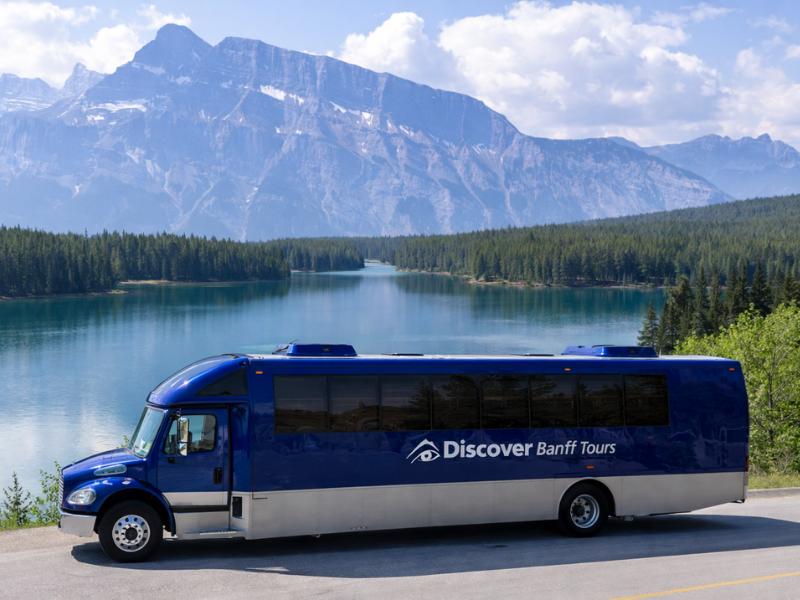 A Different Way To Spend The Day
Banff Wildlife And Viewpoints Minibus
Join Bow Falls, Surprise Corner and Lake Minnewanka in a guided morning.
3½ hours · English
Banff hotel pickup on request; otherwise the Mount Royal Hotel bus parking.
Guide, minibus, cookie and drink. Gratuities extra.
Wildlife sightings are never guaranteed. Ask about child seating and access needs before booking.
Explore Banff’s Viewpoints ↗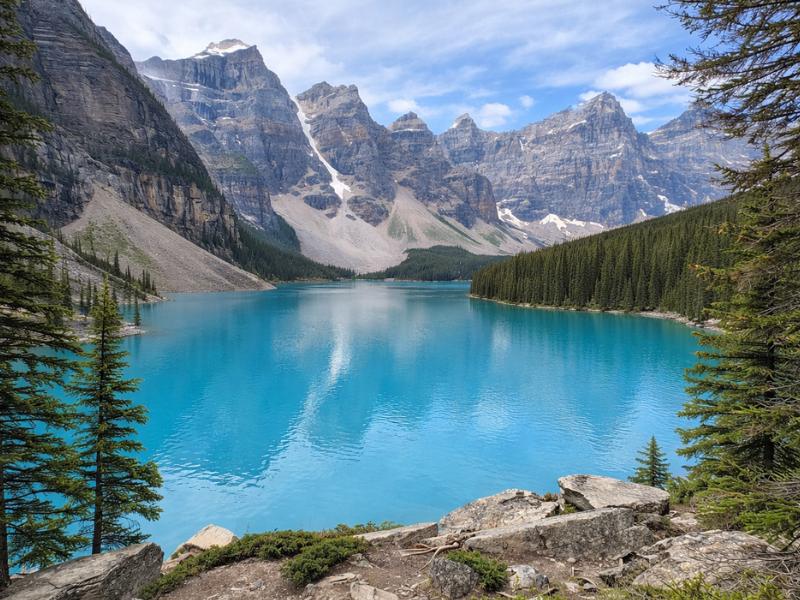 A Different Way To Spend The Day
Private Customisable Banff Day
Agree a sightseeing route around your group’s priorities.
8–11 hours · English
Request pickup or select a meeting point; returns to the meeting point.
Private vehicle, water and Parks Canada fees. Lunch and tips extra.
Moraine Lake access uses a shared shuttle. Not wheelchair accessible; moderate fitness listed. Confirm exact pickup and route.
Plan A Private Banff Day ↗No choices needed to use the recommendations above.
Work Out The Cost For Your Group
Enter complete quotes in CAD for the same people, date and itinerary. Include transport, parking, entry, food and any other extras on both sides. For shared versus private, enter the shared total first and private total second.
Use current quotes; no prices or savings are assumed.
Turn Your Plan Into A Day Out
Lock in the hardest transport day first, then build the rest of the trip around Roam and walking.
Your Next StepLake Louise And Moraine Lake Day Tour
Link the two lakes without organising separate transport.
8–10 hours · English
Pickup in Calgary, Canmore or Banff; confirm the selected meeting and end points.
Guide, transport and listed lake access. Meals and personal expenses extra.
No wheelchair access. Bring your own child seat for children under 7. Moraine Lake is seasonal.
Visit The Two Lakes ↗Choose Your Date
Lake Louise And Moraine Lake Day Tour
Open the provider’s calendar to select your date, party and departure. Availability and prices are confirmed there.
Dates On GetYourGuide
Calgary Airport To Banff Shuttle
Choose a date and party to see current options. Confirm the meeting point and restrictions on the listing.
More Banff Sightseeing On Viator
Browse the site’s original Viator selection of Banff day tours, wildlife outings and lake excursions. These are additional ideas, not matches to the trip form. Check dates, duration, pickup and suitability on each listing.
Open The Recommended Outing ↗