Best Banff National Park Tours
Banff tours range from wildlife safaris to glacier hikes. Small-group trips ($75-$200) offer the best value - and guides make iconic spots far easier to access.
The right Banff tour depends on whether you need access, trail guidance, wildlife-focused routing, or winter equipment. Choose the Right Banff Tour
Last updated: April 29, 2026
Your Experience Plan: Start with the lake day for access logistics, then switch to the guided hike, wildlife drive, or icewalk when that better matches your trip.
Quick Facts: Banff National Park Tours At A Glance
| Park Size | 6,641 sq km – Canada’s first national park, est. 1885 |
| Park Entry (2025) | Adult daily pass: CAD $10.50/person. Annual Discovery Pass: ~CAD $145 family/group (up to 7 people). FREE June 19 – Sept 7, 2026 (Canada Strong Pass). Prices verified March 2026. |
| Half-Day Tour Cost | CAD $75-$130/person (small group). Prices verified March 2026. |
| Full-Day Tour Cost | CAD $120-$200/person (small group). Prices verified March 2026. |
| Private Tour Cost | From CAD $1,898/day (vehicle, not per person). Prices verified March 2026. |
| Best Tour Season | Summer (June-Sept) for lakes and hiking; Sept–Oct for wildlife and elk rut; Dec-March for ice walks and winter tours |
| Moraine Lake Access | No private vehicles. Shuttle or guided tour required. Road open June 1 – Oct 13 only. |
| Park Hours | Open year-round |
| Drone Use | Prohibited. Fines up to CAD $25,000. |
What Types Of Guided Tours Are Available In Banff National Park?
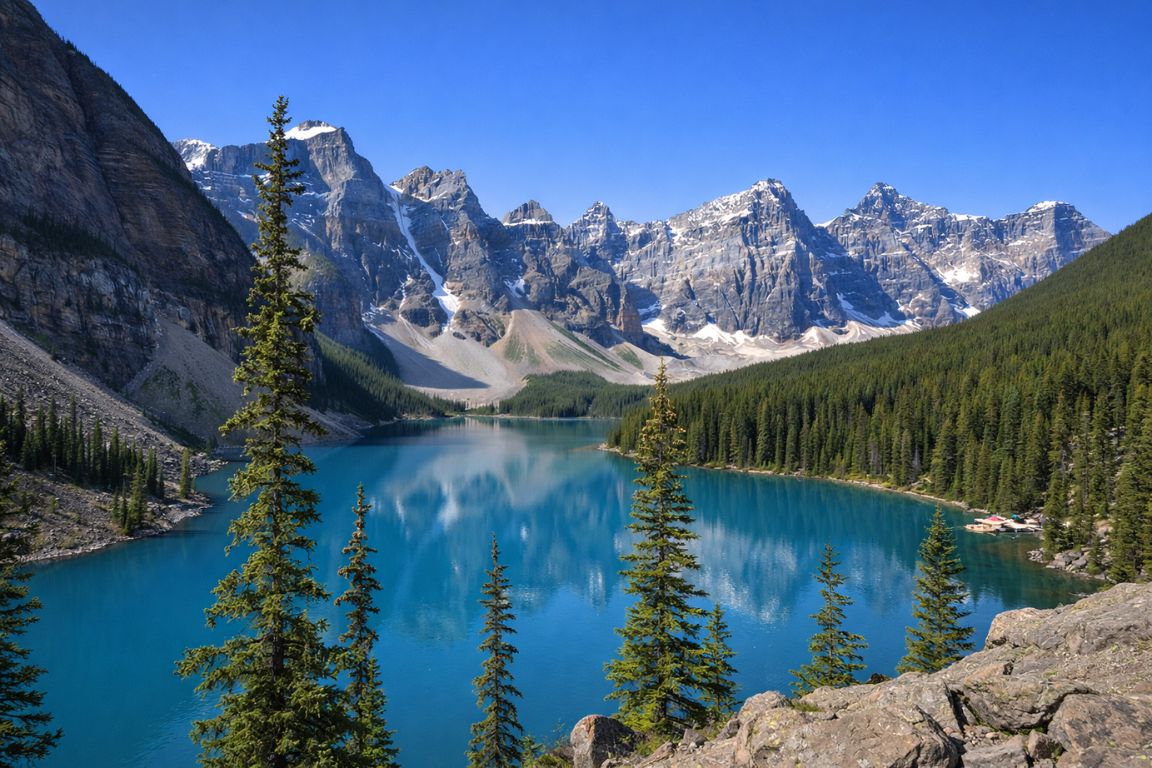 Banff guided tours break into five main categories: sightseeing tours (lakes, viewpoints, scenic drives), hiking tours (guided trail experiences of varying difficulty), wildlife tours (morning and evening safari-style outings), winter tours (ice walks, snowshoe excursions, sleigh rides), and private custom tours for families or groups who want a fully tailored day. Most operators offer both shared small-group and fully private options across all categories.
The mountain view from the Trans-Canada Highway tells you nothing. You need to be standing at the shore of Moraine Lake at the moment the light hits the Valley of Ten Peaks, or walking the catwalk above Johnston Canyon with the ice groaning around you, to understand what this park actually is. Tours are one way to get there. But choosing the right type matters more than most first-time visitors realize.
Heading to the Ten Peaks? I’ve put together a complete Moraine Lake travel guide covering shuttle reservations, timing, and how to actually get there now that they’ve banned parking.
The tour landscape in Banff has evolved considerably. Large motorcoach tours still exist – and have their place for travelers who want comfort and panoramic windows – but small-group tours of 12 people or fewer have become the standard for anyone wanting genuine guide interaction. The difference isn’t just atmosphere. It’s access. A smaller vehicle can pull down the Bow Valley Parkway on a wildlife sighting. It can stop at a viewpoint most coaches don’t bother with. It can wait fifteen minutes while you find your composition at Lake Louise.
Private tours sit above all of that. You set the pace, the stops, and the timing. They cost more – typically starting from CAD $1,898 for a full-day vehicle – but for a family of five or a group celebrating a milestone, the per-person math often works out. And the experience doesn’t compare.
| Large Motorcoach Sightseeing | Budget travelers, first-timers who want commentary + comfort | 4-8 hours | 30-50 people |
| Small-Group Tour | Travelers wanting personal guide access without private cost | 4-10 hours | Up to 12-16 |
| Private Day Tour | Families, couples, groups with specific interests | Custom | 2-7 people |
| Guided Hiking Tour | Active travelers wanting interpretation on the trail | 3-8 hours | Up to 12 |
| Wildlife Safari Tour | Nature lovers, photographers, families | 3-4 hours (evening) | Varies |
| Winter Tour (Ice Walk / Snowshoe) | Winter visitors wanting structured, safe cold-weather access | 4 hours | Small group |
| Multi-Day Tour | Travelers combining Banff, Jasper, and the Icefields Parkway | 2-12 days | Varies |
One honest note here: not everything in Banff requires a guide. Popular trails like Lake Agnes Teahouse, Consolation Lakes, and the Fairview Loop are well-marked, busy with other hikers, and manageable on your own. Where guides earn their keep is in access, interpretation, and logistics management – getting you to Moraine Lake before the shuttle crowds arrive, knowing the bear activity corridor on the Bow Valley Parkway that morning, or explaining why the rock flour in Lake Louise produces that specific shade of blue. That context turns a pretty lake into something you actually understand.
If you’d rather hand the logistics to someone who has done this 8,600 times, look at the Lake Louise & Moraine Lake tour for a shared day, or the private Banff tour if you want a custom route. We know the park in all four seasons.
What Are The Best Sightseeing Tours In Banff?
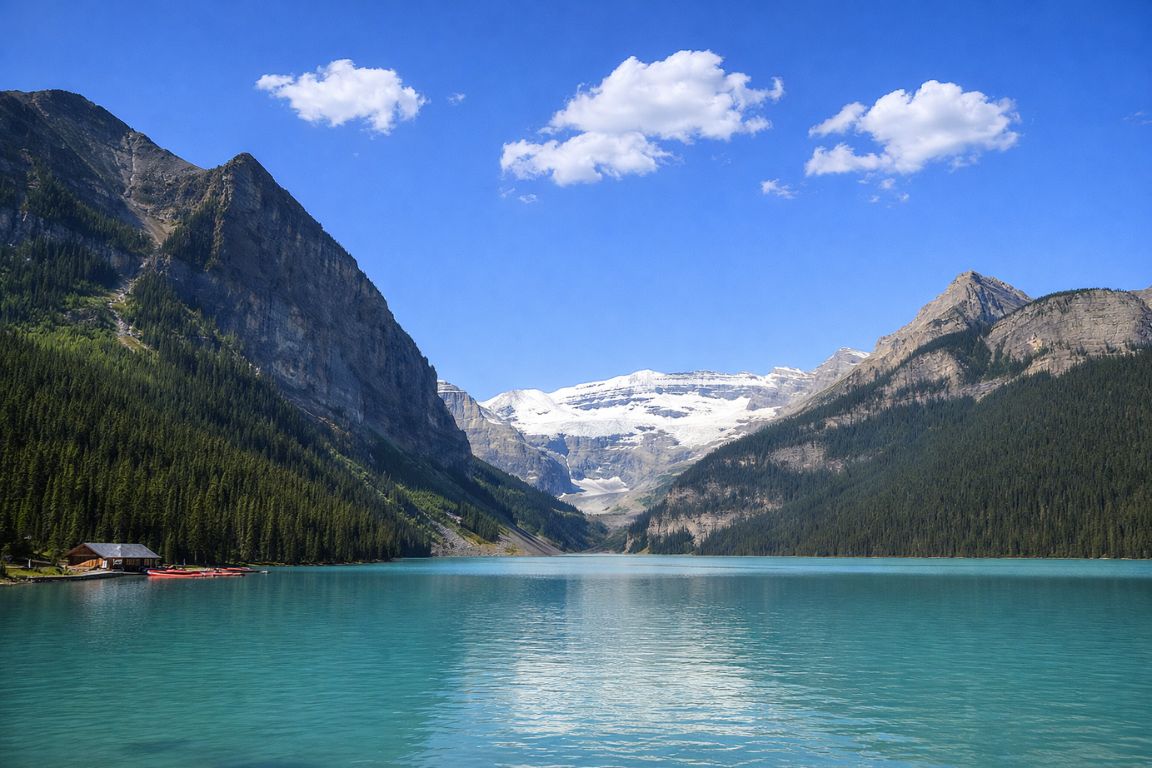 The best sightseeing tours in Banff combine Lake Louise, Moraine Lake, and the Icefields Parkway into a single guided day, with stops at Peyto Lake, Bow Lake, and Crowfoot Glacier along the way. A full-day small-group tour covering these highlights runs CAD $120-$200/person. Half-day tours focused on the Banff townsite, Hoodoos, Bow Falls, and the Gondola are excellent for first-timers with limited time.
Sightseeing in Banff sounds simple until you’re staring at a 232-kilometre stretch of parkway with three hours before dinner and no idea which pullouts are worth your time. The Icefields Parkway from Lake Louise to Jasper is ranked among the great drives of the world. That does not mean all 40-odd stops are equal. It means maybe six of them will stop your breath. A guide who has run that road a hundred times knows which six.
For pure sightseeing, the classic Banff day breaks into two natural halves. The lower loop covers the townsite, Surprise Corner viewpoint above the Bow River, the hoodoos on the eastern edge of town, Bow Falls, and Lake Minnewanka. The upper run heads north toward Lake Louise, swings out to Moraine Lake (June through mid-October only, via shuttle or guided tour), and returns via the Bow Valley Parkway through prime elk and bear territory. A guide connects these two halves into a logical narrative.
The Icefields Parkway full-day tour adds Crowfoot Glacier, Bow Lake, Peyto Lake, and the Columbia Icefield to that picture. It’s a long day. Worth every kilometer.
One thing our groups consistently notice: the moments that hit hardest aren’t always the ones in the brochures. The beaver dam at Vermilion Lakes at dusk. A mountain goat watching your van from a cliff ledge at Crowfoot. The way Peyto Lake shifts color across a single afternoon as cloud shadows move across it. Those moments come from time, patience, and knowing where to look.
If you’re heading to Banff’s most famous lake, here’s our complete Lake Louise guide so you know exactly what to expect and how to navigate the chaos.
| Banff Townsite Half-Day | 3-4 hrs | Bow Falls, Hoodoos, Surprise Corner, Lake Minnewanka, Gondola option | Year-round |
| Lake Louise & Moraine Lake | 4-5 hrs | Lake Louise, Moraine Lake (June–Oct 13 only), Valley of Ten Peaks | Summer/early fall |
| Icefields Parkway Full Day | 9-10 hrs | Bow Lake, Peyto Lake, Crowfoot Glacier, Columbia Icefield, Athabasca Glacier | June–September |
| Yoho National Park Loop | 8-9 hrs | Lake Louise, Emerald Lake, Natural Bridge, Takakkaw Falls, Marble Canyon | Summer |
What Are The Best Hiking Tours In Banff National Park?
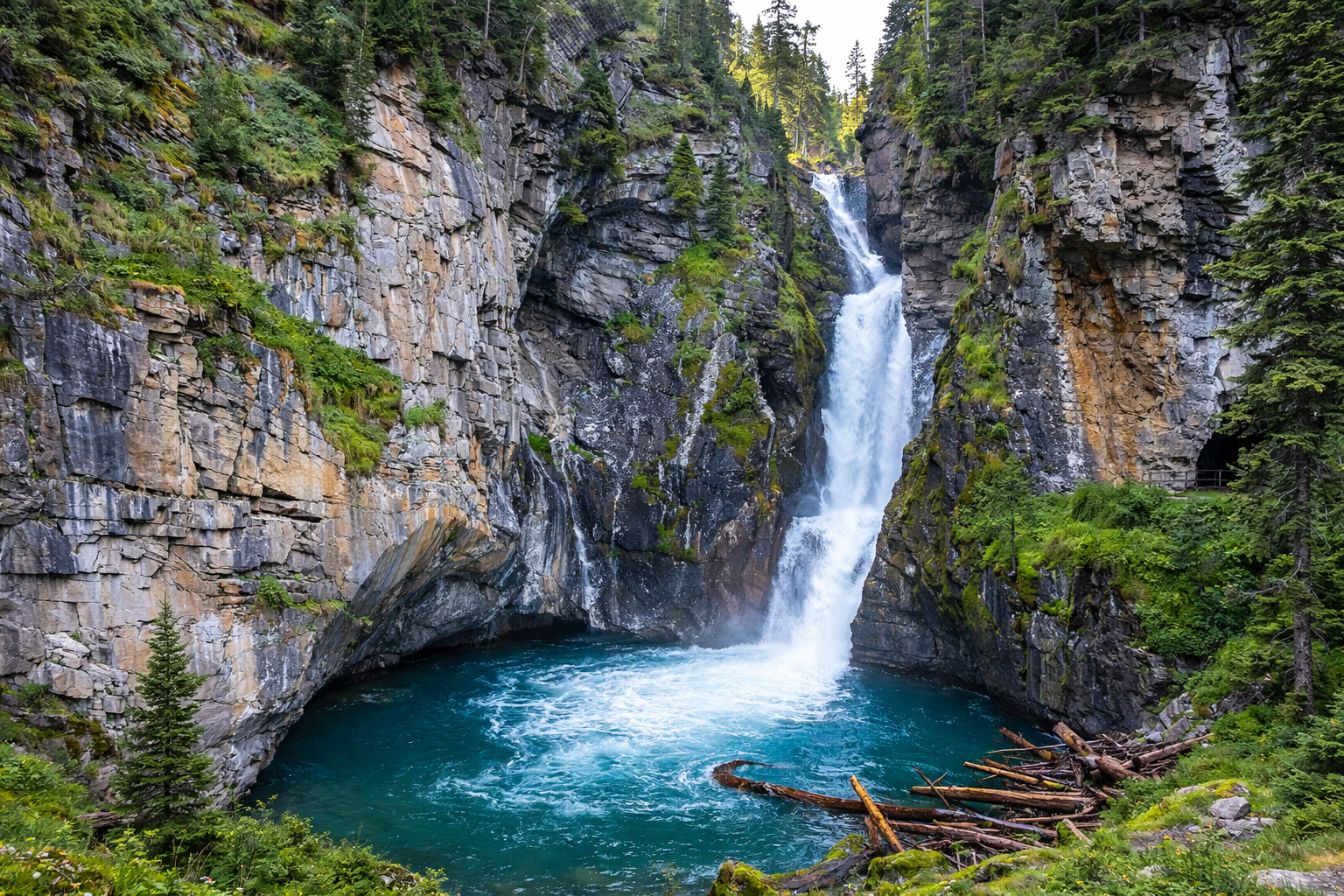 The best guided hiking tours in Banff match trail difficulty to your group’s fitness level and add ecological interpretation that solo hikers miss entirely. Johnston Canyon is the top choice for beginners. Plain of Six Glaciers and Sentinel Pass via Moraine Lake are standout options for fit hikers. For backcountry access to restricted gems like Lake O’Hara, a guide is often the only practical way in.
Banff has over 1,600 km of maintained trails. Most first-timers spend their entire trip on three of them. That’s not necessarily a mistake – Johnston Canyon and the Lake Louise lakeshore are extraordinary – but it does mean most visitors leave with an incomplete picture of what this park holds.
Guided hiking tours solve three problems at once. First, trail selection – a guide who reads conditions daily knows which routes are muddy from snowmelt, which are under bear watch, and which are already packed with day-hikers by 9 a.m. Second, interpretation – understanding that the limestone canyon walls at Johnston were carved by a relatively young creek above an older valley floor changes the way you walk through it. Third, logistics – particularly for trails that require shuttles, permits, or early departure times to beat access restrictions.
Johnston Canyon earns its popularity. The steel catwalks bolted into the canyon walls run above a roaring turquoise creek, and the lower and upper falls are genuinely dramatic year-round. In summer, the water thunders. In winter, the falls freeze into towers of ice. It’s a short day by hiking standards – 5.4 km round trip to the upper falls – which is why it works as a half-day guided option and as an introduction for guests who haven’t hiked in years.
For something more demanding, the trail to Plain of Six Glaciers starts at the Lake Louise lakeshore and climbs to a teahouse perched in the moraine at 2,135 metres. The round trip is about 14 km with 365 metres of elevation gain. It’s achievable for most reasonably fit hikers, but it asks something of you. That asking is exactly the point.
Sentinel Pass, accessed from Moraine Lake, is a longer, steeper proposition. At 2,611 metres, it’s one of the highest maintained trail passes in the Rockies, and the view of the Valley of Ten Peaks from the top looks like something invented by a scenic designer rather than geology. Guides are particularly valuable here because the approach involves the Moraine Lake shuttle system and route-finding in the upper alpine.
| Johnston Canyon (Lower + Upper Falls) | 5.4 km | Easy | Canyon catwalks, frozen falls in winter |
| Consolation Lakes | 6 km | Easy-Moderate | Turquoise lake, good bear country awareness |
| Plain of Six Glaciers | 14 km | Moderate | Historic teahouse, glacial moraine views |
| Larch Valley / Sentinel Pass | 11.6-14.4 km | Moderate-Strenuous | Golden larches in September, alpine panorama |
| Lake O’Hara (Yoho NP) | Varies | Moderate-Strenuous | One of the Rockies’ most spectacular day hike systems; quota-based access |
A note on September specifically: the larch trees in Larch Valley above Moraine Lake turn gold in mid-September, and for about three weeks the landscape looks like it belongs in a painting rather than a national park. Demand for guided access to Larch Valley during this window is extremely high. If that’s your target, book well in advance.
Curious about where to hike? Here are the best hiking trails in Banff National Park tours – what’s doable for different fitness levels, what requires permits, and which ones deliver the best bang for your effort.
What Are The Best Wildlife Tours In Banff?
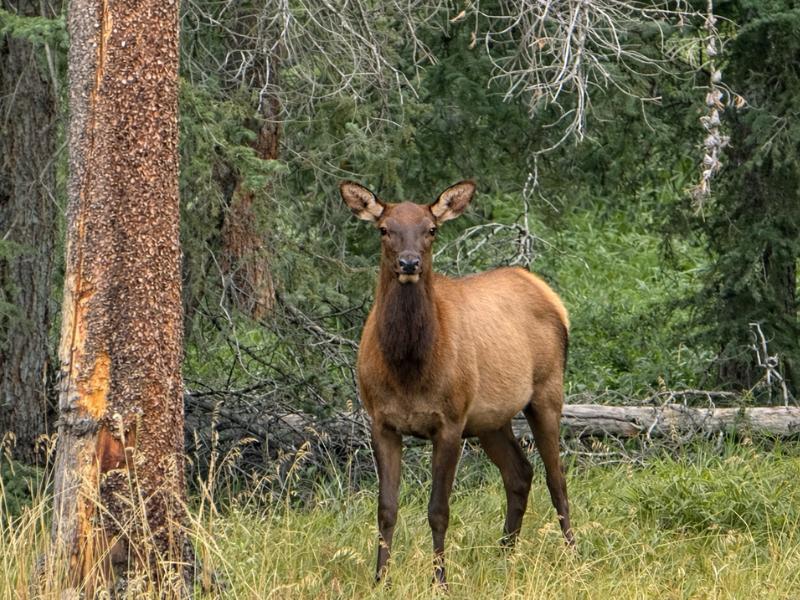
Evening wildlife safari tours are the most consistent way to see large mammals in Banff, as dawn and dusk are peak activity windows. Summer through early fall is grizzly season along the Bow Valley Parkway and Icefields Parkway. September and October bring the elk rut to the valley floors near town. Guided wildlife tours dramatically improve sighting odds by putting you in the right corridors at the right times.
The park holds roughly 70 grizzly bears, an estimated 35-40 black bears, several wolf packs, hundreds of elk, and resident populations of moose, bighorn sheep, mountain goats, coyotes, and cougars. You will not see all of them on any single outing. But with the right guide at the right hour in the right corridor, you’ll see more than you expect.
The Bow Valley Parkway (Highway 1A) is the single best wildlife corridor in the park. Running 48 km parallel to the Trans-Canada between Banff and Lake Louise, it passes through dense forest, open meadows, and riparian zones. Elk, deer, coyotes, black bears, and grizzlies all move through this stretch regularly, and our guides check it every single morning. It’s one of the reasons we start most wildlife tours early.
The evening wildlife safari is the format that works best for most travelers. Most large mammals become more active as the day cools, and the lower light of dusk creates conditions that feel fundamentally different from midday. Bears in particular tend to move down to the valley floors in the late afternoon and early evening to feed on berries. An experienced guide is reading subtle signs that most independent visitors would drive past without registering: a broken branch, scat on the trail edge, a disturbed section of berry bushes alongside the Bow Valley Parkway.
For a guaranteed bear sighting, the Grizzly Bear Refuge at Kicking Horse Mountain offers a chance to observe Boo, an orphaned grizzly rescued in 2003 who now lives in the world’s largest enclosed grizzly habitat. It’s not wilderness observation – it’s something else, closer to conservation education – but for families and travelers who want a close, safe encounter, it delivers without fail.
We’ve been navigating Banff’s permit windows and wildlife corridors for travelers since 2014. The Banff wildlife and viewpoints minibus is a 3.5-hour option with Banff pickup on request; it follows a listed viewpoint route and cannot guarantee animal sightings.
| Spring (April-May) | Bears emerging from dens, beavers, eagle migration | Bow Valley Parkway, Vermilion Lakes |
| Summer (June-August) | Bears in alpine berry fields, elk calves, mountain goats | Icefields Parkway, Lake Louise area |
| Fall (September-October) | Elk rut (bulls bugling), grizzlies in hyperphagia, migrating birds | Town of Banff, Vermilion Lakes, Bow Valley Parkway |
| Winter (December-March) | Elk herds near townsite, wolves, bighorn sheep on rocky passes | Vermilion Lakes, Bow Valley Parkway, Lake Minnewanka |
One pattern our guides notice consistently: travelers who invest in a morning wildlife tour on their first full day in Banff reframe the rest of their trip. Once you’ve watched a grizzly cross the Bow Valley Parkway from 40 metres away, you look at the landscape differently. You notice the tracks. You understand the scale of what lives here alongside you.
What Are The Best Winter Tours In Banff National Park?
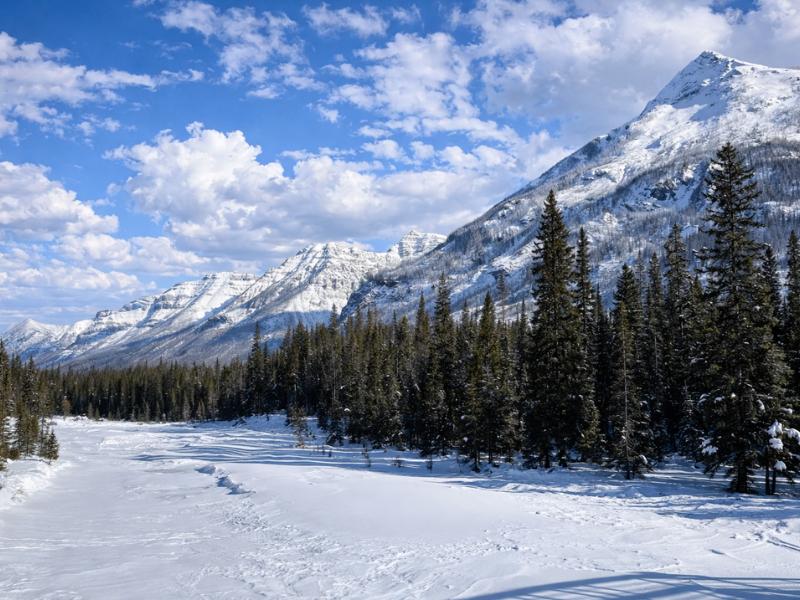
Banff’s best winter tours center on the Johnston Canyon Icewalk (December through March), guided snowshoe tours to locations like the Paint Pots in Kootenay National Park, and wildlife safaris focusing on elk herds, wolves, and bighorn sheep that move to valley floors in winter. Dogsled tours and sleigh rides add to the winter menu. Cold-weather tours in Banff run in temperatures from -27C to +10C – dressing in layers is non-negotiable.
Winter Banff is a different park. The summer crowds thin by October. The lakes freeze. Johnston Canyon, which draws day-hikers all summer, becomes something else in January: a cathedral of ice with frozen columns hanging thirty metres over your head, the creek audible but invisible beneath the ice floor. Most first-time winter visitors do not expect the canyon to be this dramatic. Every guide we’ve brought there has watched guests go quiet when they first see the upper falls.
The Johnston Canyon Icewalk is rated a Canadian Signature Experience for good reason. Ice cleats, a knowledgeable guide, hot chocolate at the end – the logistics are taken care of, which matters when you’re navigating a canyon trail at -15C. The standard tour covers the lower and upper falls, roughly 5.4 km round trip. For a more dramatic version, the evening icewalk runs by headlamp through the first section and by moonlight for the return, with the frozen walls catching the light in ways that the daytime version doesn’t replicate.
Snowshoe tours deserve more attention than they typically get. The guided snowshoe to the Paint Pots in Kootenay National Park crosses the Vermilion River Valley on mostly flat terrain, searching for snowshoe hare, moose, and wolf tracks along the way. The Paint Pots themselves – ochre-colored mineral springs that have been a gathering place for Indigenous peoples for thousands of years – are an undervisited winter destination that most summer tourists never find. That gap between the popular and the remarkable is exactly where guided winter tours operate.
One critical practical note: winter tours in Banff run regardless of temperature, from deep freeze to chinook thaw. Our guides have led groups at -27C and at +10C in the same week. Layering is not optional – thermals, insulating mid-layer, waterproof shell, quality gloves, and warm socks. The park provides a complete experience in every condition. Your comfort within that experience depends entirely on how you dress for it.
If you’re planning a winter trip, here are the Banff National Park tours winter activities that take advantage of snow, frozen lakes, and the Rockies at their most dramatic.
| Johnston Canyon Icewalk (Day) | 4 hrs | Dec-March | Frozen 30m waterfalls, canyon catwalks |
| Johnston Canyon Icewalk (Evening) | 4 hrs | Dec-Feb | Headlamp + moonlight, dramatic ice columns |
| Grotto Canyon Icewalk | 4 hrs | Dec-March | Frozen creek bed, ancient Indigenous pictographs, fewer crowds than Johnston |
| Snowshoe to Paint Pots | 4 hrs | Dec-March | Flat terrain, wolf/moose tracking, ochre mineral springs |
| Sunshine Village Snowshoe | Half-day | Dec-April | Canada’s top alpine snowshoeing, panoramic Rockies views |
| Evening Wildlife Safari (Winter) | 3-4 hrs | Year-round | Elk herds, wolves, bighorn sheep in valley terrain |
| Dogsled Tour | Varies | Dec-March | Classic Canadian experience, mountain forest setting |
How Much Do Banff National Park Tours Cost?
Small-group day tours in Banff run CAD $75-$130 per person for half-day trips (4-5 hours) and CAD $120-$200 per person for full-day experiences (8-10 hours). Private tours start from approximately CAD $1,898 for a full-day vehicle, which often works out to competitive per-person pricing for families or groups of four or more. All prices listed below are verified March 2026 and exclude park entry fees (free June 19 – September 7, 2026 under Canada Strong Pass).
The price question in Banff has two layers. The first is what the tour costs. The second – and the one most travelers underestimate – is what doing it yourself actually costs when you factor in a rental vehicle, fuel, parking fees, the time lost researching conditions, and the experience of arriving at Moraine Lake with 400 other people who all had the same idea about timing.
Guided tours remove the friction. For couples, a small-group tour almost always makes more financial sense than a rental car, particularly in peak summer when vehicles are expensive and Moraine Lake Road is closed to private vehicles entirely. For families of four or five, private tours often compete on price while giving you a completely different quality of experience.
| Half-Day Small-Group Sightseeing | CAD $75-$130/person | Transport, guide, hotel pickup in some cases |
| Full-Day Small-Group Sightseeing | CAD $120-$200/person | Transport, guide, hotel pickup |
| Johnston Canyon Icewalk (Group) | CAD $80-$120/person | Transport, guide, ice cleats, hot chocolate |
| Guided Hiking Tour (Half-Day) | CAD $80-$130/person | Guide, group gear, some snacks |
| Evening Wildlife Safari | CAD $70-$110/person | Transport, guide, binoculars |
| Private Full-Day Tour | From CAD $1,898/vehicle | Private vehicle, dedicated guide, custom itinerary |
| Athabasca Glacier Ice Walk | CAD $338/person approx. | Transport, guide, specialized glacier gear |
| Park Entry Fee (adult daily) | CAD $10.50/person | Some tours include; always verify. Free June 19-Sept 7, 2026. |
All prices verified March 2026. Prices are in Canadian dollars and subject to change. Always confirm current pricing directly with tour operators at time of booking.
Two costs that catch people by surprise: tips (tour guides in Banff rely on them; 10-15% is the standard), and meals. Most guided day tours do not include lunch. Build that into your budget planning, particularly for full-day trips where you’ll be away from the townsite restaurants for most of the day.
Worried about expenses? I’ve broken down Banff National Park tours travel costs so you know exactly what you’re paying for accommodation, activities, and those surprisingly expensive meals.
How Do You Choose The Right Banff Tour For Your Trip?
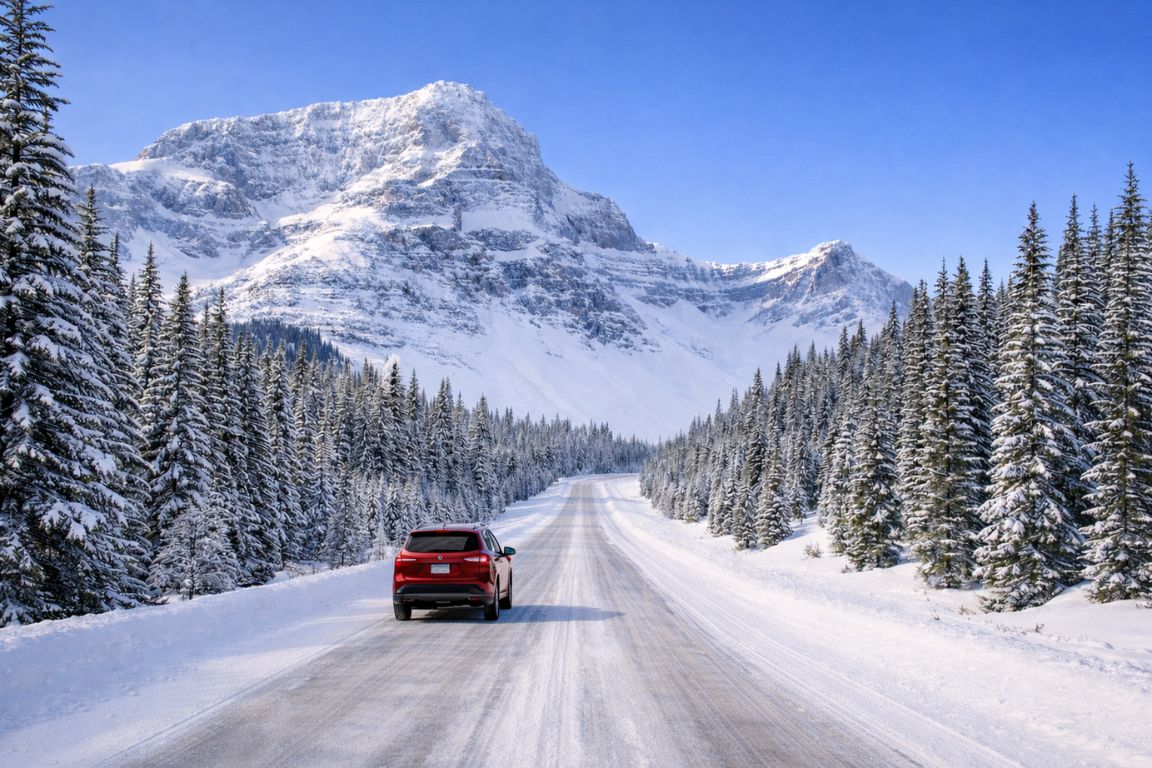 Match your tour type to three variables: physical ability, time available, and the specific experience you’re after. First-timers with limited time should book a half-day townsite tour plus a full-day Lake Louise and Moraine Lake tour. Active travelers who want to move should prioritize hiking tours. Wildlife lovers should book morning or evening safaris as a standalone addition to any base itinerary. Everyone visiting in winter should add an ice walk to their plans.
The most common mistake in Banff tour selection is trying to fit too much into too little time. We see it constantly: a group books a full-day Icefields Parkway tour on day one, an evening wildlife safari on day two, a guided hike on day three, and then wonders why they feel exhausted by Thursday. Banff rewards attention. Give each experience room to breathe.
A practical framework our team uses for trip planning:
For a three-day trip: one full-day tour covering Lake Louise, Moraine Lake, and key parkway stops; one half-day townsite orientation; one wildlife safari either morning or evening. That leaves time on each day for independent exploration at your own pace.
For a five-day trip: add one guided hiking day and one winter or specialty experience. The Icefields Parkway is a full day on its own, and trying to combine it with other major stops creates a rushed itinerary that doesn’t serve the landscape.
For families with children: sightseeing tours with wildlife spotting built in work best. The Bow Valley Parkway is gentle, child-friendly, and consistently productive for animal sightings. Keep younger children out of full-day alpine hiking tours unless they have specific experience – the distances and elevation changes are not trivial.
We’ve covered Banff National Park tours with kids in detail so you know which trails are manageable, what activities work for different ages, and how to handle altitude and weather with children.
What Should You Know Before Booking A Banff National Park Tour?
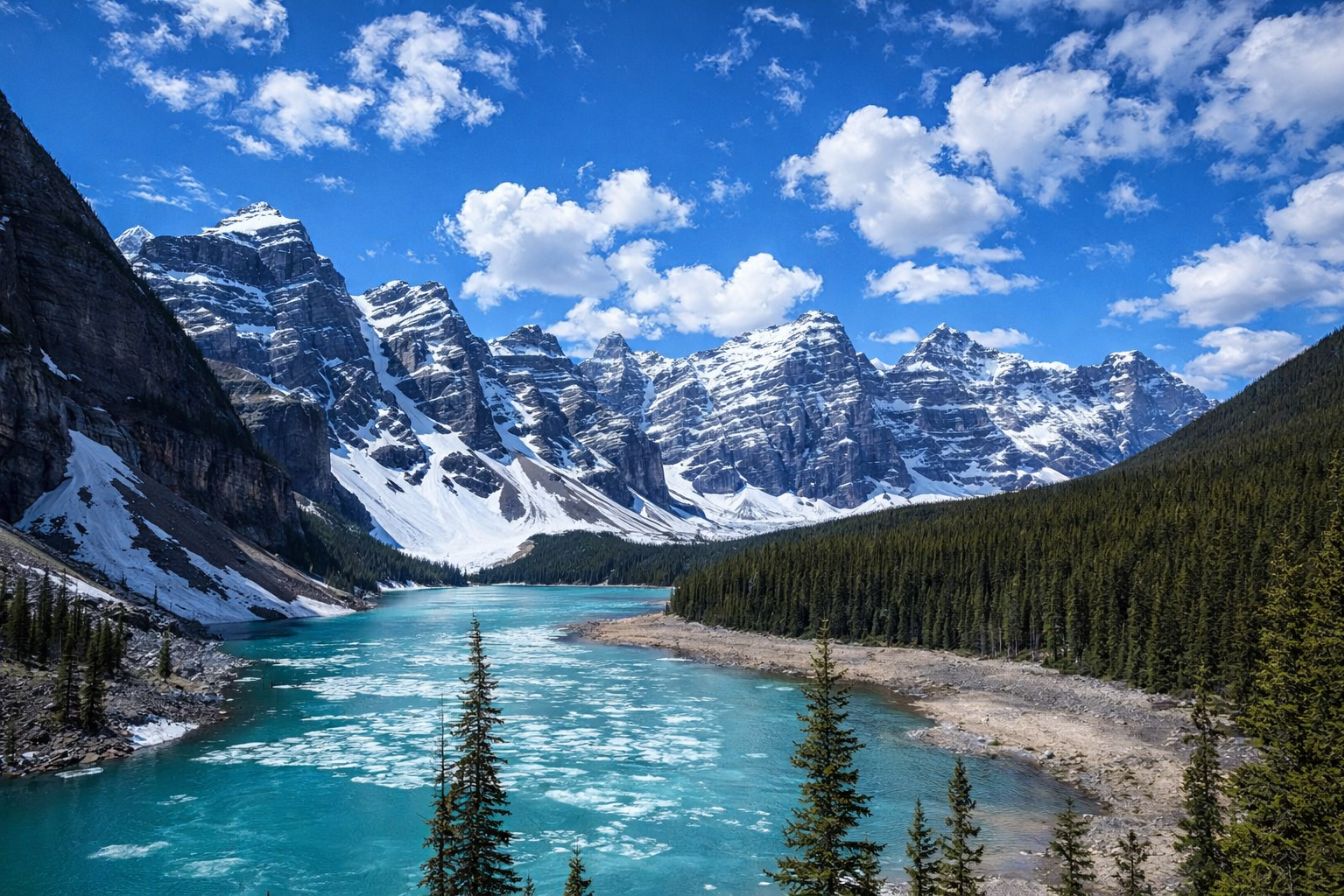 Book Banff tours well in advance, particularly for peak summer (June-August) and the September larch season. Moraine Lake operates on a shuttle-and-tour-only basis from June through mid-October – there is no private vehicle access. Always confirm whether your park pass is included in the tour price. Bring layers regardless of the forecast, tip your guide, and understand that weather in the Rockies can change within 20 minutes at any elevation.
There are a handful of things we wish every traveler knew before their first day in Banff. Not because the park is complicated, but because small information gaps cause the most avoidable disappointments.
The Moraine Lake situation surprises more visitors than almost anything else. The road to Moraine Lake has been closed to private vehicles for several years due to capacity and environmental concerns. To visit, you need either a Parks Canada shuttle reservation (which sells out fast and operates on a booking window) or you need to be on a guided tour. Arriving at the Lake Moraine road with a rental car and no reservation means turning around. We see this happen. Regularly. A guided tour solves it cleanly.
Weather is the second big variable. Banff guides work in everything from -27C winters to summer thunderstorms that materialize in 20 minutes at higher elevations. Dress in layers. Waterproof outer layer, warm mid-layer, comfortable trail shoes or hiking boots minimum. Even in July, a summit or alpine meadow can be significantly colder than the townsite. No tour operator can predict afternoon conditions on a September alpine trail. Prepare for both ends of the thermometer and you’ll be comfortable regardless of what arrives.
Planning ahead? Our guide to the best time to visit Banff National Park tours breaks down summer chaos versus shoulder season calm and what you’ll actually experience each month.
Tipping culture in Canada closely mirrors the U.S.: 10-15% is standard for tour guides. Most will mention this when you book. Budget for it. Guides in Banff are trained naturalists and storytellers, not just drivers, and the quality of what they bring to your day is significant.
For fixed travel dates, check current operator availability before finalizing transport or accommodation. Questions before you book? Avery and the team answer them daily. The Lake Louise & Moraine Lake tour is the usual first booking for a first visit.
What Our 8,600+ Guided Travelers Told Us: Tour Preference Patterns
| Travelers who booked a wildlife tour as an add-on to a sightseeing day reported it as the highlight of the trip | 65-80% |
| First-time visitors who tried to DIY Moraine Lake without a guide or shuttle reservation and were turned away | 20-35% |
| Groups who upgraded from small-group to private tour and said they would book private again | 80-90% |
| Travelers who visited in September specifically for the larch season after a guide recommendation | 25-40% |
| Winter visitors who said the Johnston Canyon Icewalk exceeded expectations | 85-95% |
The Mistakes We See Every Season (And How to Avoid Them)
After guiding 8,600 travelers through this park, our team has catalogued the patterns. These are the trip-defining errors that show up repeatedly, not because people are careless, but because the park’s logistics aren’t obvious until you know them.
Arriving without a Moraine Lake plan is the most common. The shuttle reservation opens weeks before your travel date and sells out fast in peak season. If you don’t have a shuttle ticket or a tour that accesses the lake, the road closes to you. Booking a guided tour is the simplest insurance against this.
Underestimating driving distances is close behind. Banff looks compact on a map. It is not compact. Lake Louise to the Columbia Icefield is 130 km of mountain driving with dozens of compelling stops along the way. Travelers who attempt the full Icefields Parkway as a half-day self-drive consistently report rushing and missing most of it. If you’re doing that drive, give it a full day.
Skipping the Bow Valley Parkway for the Trans-Canada Highway is a real loss. The Trans-Canada is faster. The Bow Valley Parkway is 48 km of the best wildlife habitat in the park, running at a pace that lets you stop when you spot something. Most first-time visitors stick to the highway because it’s what their GPS recommends. A guide changes that default.
Leaving weather prep to chance. July storms in alpine terrain are real. September days that feel warm at 9 a.m. can require a down jacket by 2 p.m. at elevation. Bring layers on every outing regardless of what the morning looked like.
Frequently Asked Questions
Is a guided tour necessary to visit Banff National Park?
No, Banff is accessible independently with a rental car and park pass. But several of the most iconic experiences, including Moraine Lake (which requires a shuttle or guided tour due to road closures), glacier access, and wildlife spotting in the prime corridors, are significantly more accessible and rewarding with a knowledgeable guide. For first-time visitors with limited time, a guided tour is one of the best investments you can make.
Do Banff tours include the park entry fee?
It varies by operator. Always confirm before booking. Some tour packages include the park pass in their pricing; others require you to purchase it separately. The daily adult fee is CAD $10.50/person (verified March 2026). Note that park entry is free for all visitors from June 19 to September 7, 2026, under the Canada Strong Pass initiative.
When should I book Banff tours?
For summer travel (June-August), book 4-6 weeks in advance minimum. The September larch season around Moraine Lake is one of the most in-demand periods of the year – book as early as possible. Winter tours have more flexibility but popular options like the Johnston Canyon Icewalk fill up on weekends. Earlier is always better.
Are Banff tours suitable for children?
Yes, many tours are family-friendly. Sightseeing tours, wildlife safaris, and the Johnston Canyon Icewalk (aged 8+) work well with children. Full-day alpine hiking tours require honest assessment of your children’s fitness and trail experience. Operators can advise on age and ability suitability at the time of booking.
What is the best tour for a first-time visitor to Banff?
A half-day Banff townsite orientation combined with a full-day Lake Louise and Moraine Lake tour covers the essential foundations and leaves room for flexibility. Add an evening wildlife safari if you’re staying three or more days. In winter, replace the townsite tour with the Johnston Canyon Icewalk.
Can I see grizzly bears on a Banff guided tour?
Yes. The Bow Valley Parkway and Icefields Parkway are active grizzly corridors, particularly in spring and fall. Evening wildlife safari tours have strong sighting records for bears when seasonal conditions align. For a guaranteed encounter, the Grizzly Bear Refuge at Kicking Horse Mountain offers safe, up-close observation of Boo, a resident grizzly.
Plan Your Banff Tour with the People Who Know This Park Best
We’ve been guiding travelers through Banff since 2014 – through the peak summer crowds, the September larch rush, the deep-freeze January canyon walks, and every season in between. If you want one guided sightseeing day, compare verified Banff tour options and confirm the exact route before booking.
Explore Our Banff Tours
Canadian tour guide since 2014 · Founder, Banff National Park Tours
Avery has guided over 8,600 travelers through Banff National Park and the Canadian Rockies since founding the agency.
Choose The Right Banff Tour
Compare a guided day with the independent options in this guide. Confirm your date and meeting point before booking.
Match These Options To Your Trip
 Our Starting Recommendation
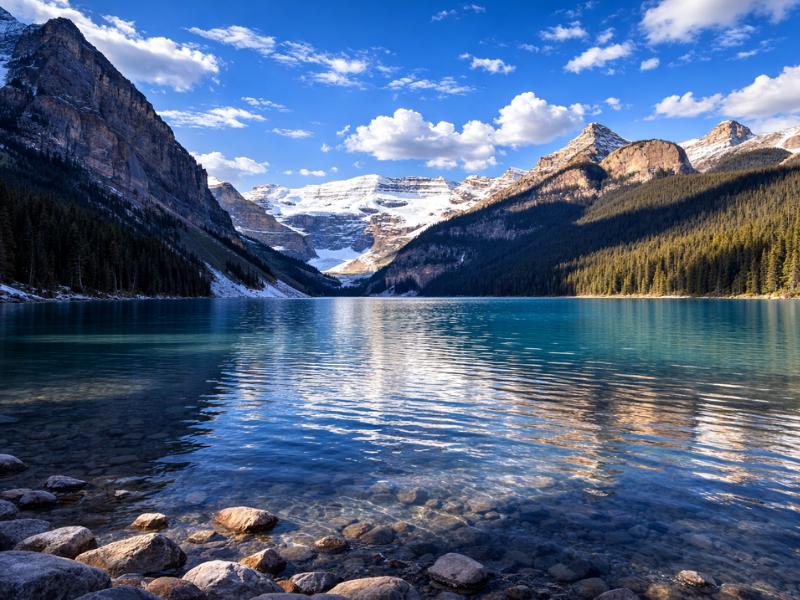
Lake Louise And Moraine Lake Day Tour
Link the two lakes without organising separate transport.
8–10 hours · English
Pickup in Calgary, Canmore or Banff; confirm the selected meeting and end points.
Guide, transport and listed lake access. Meals and personal expenses extra.
No wheelchair access. Bring your own child seat for children under 7. Moraine Lake is seasonal.
Visit The Two Lakes ↗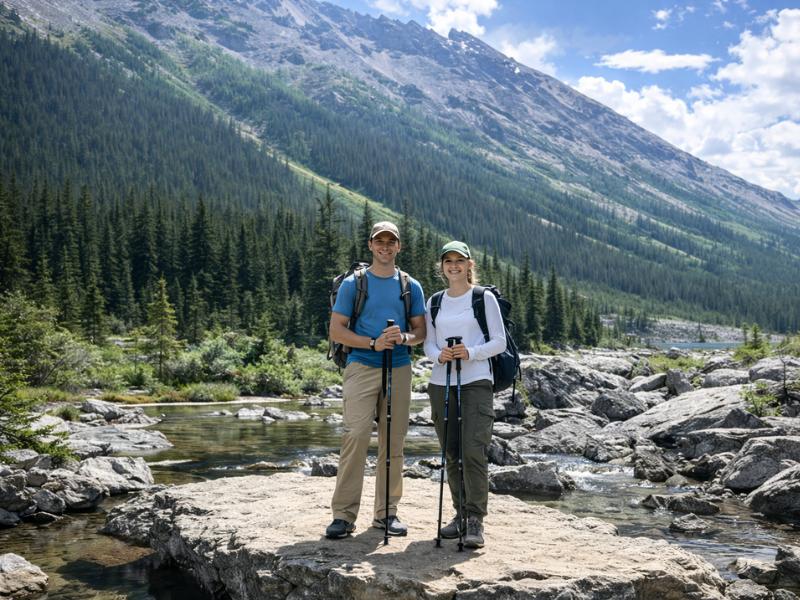 A Different Way To Spend The Day
Guided Signature Hike With Lunch
Spend the day on a named mountain trail with a guide, transport and lunch.
7 hours · English
Banff hotel pickup or the listed Mount Royal Hotel meeting point.
Certified guide, picnic lunch, hiking poles and transport. Teahouse purchases extra.
Ages 13+. Route depends on weekday and conditions. The Larch Valley route does not reach the top of Sentinel Pass.
Choose A Guided Hike ↗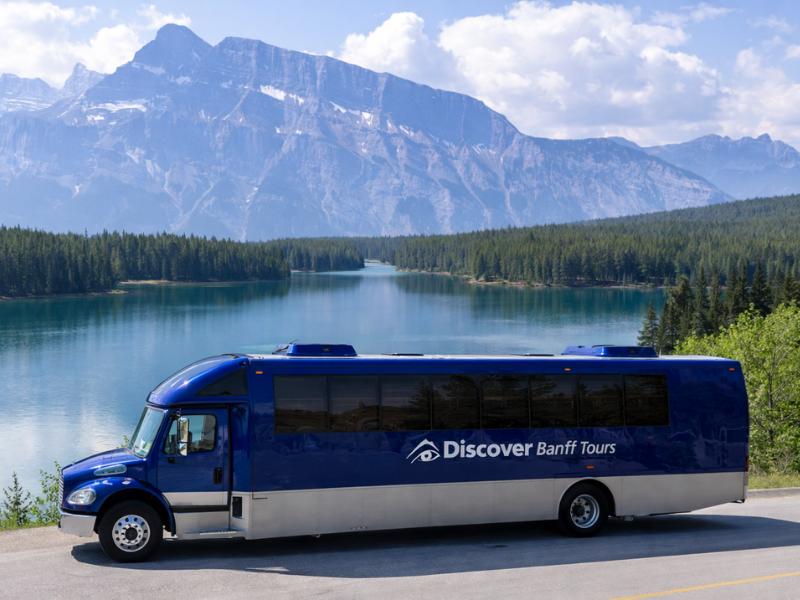 A Different Way To Spend The Day
Banff Wildlife And Viewpoints Minibus
Join Bow Falls, Surprise Corner and Lake Minnewanka in a guided morning.
3½ hours · English
Banff hotel pickup on request; otherwise the Mount Royal Hotel bus parking.
Guide, minibus, cookie and drink. Gratuities extra.
Wildlife sightings are never guaranteed. Ask about child seating and access needs before booking.
Explore Banff’s Viewpoints ↗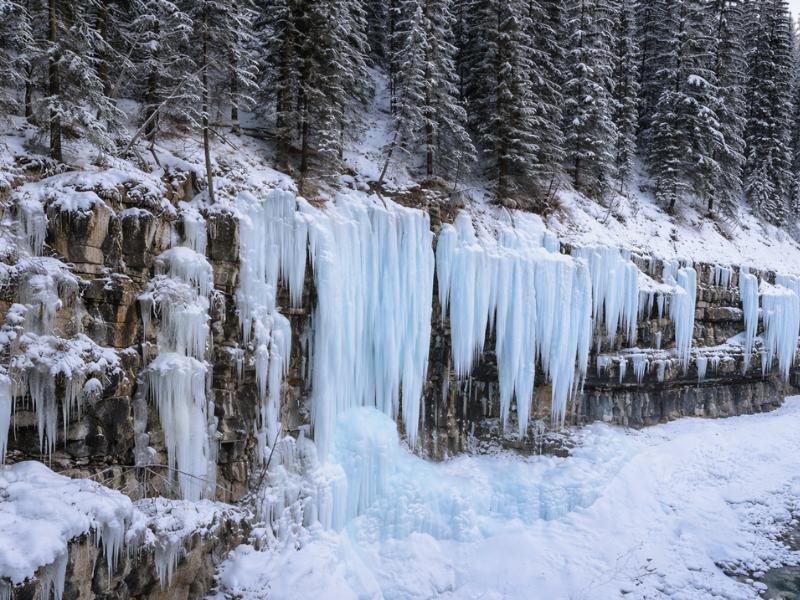 A Different Way To Spend The Day
Johnston Canyon Guided Icewalk
Walk to frozen waterfalls with a guide, ice cleats and poles provided.
4 hours · English
Banff pickup; confirm the listed morning or afternoon meeting time.
Guide, transport, ice cleats, poles, hot chocolate and cookie. Tips extra.
Ages 8+. A 5.4 km round trip with 135 m elevation gain. Moderate fitness and your own winter clothing needed.
Walk The Frozen Canyon ↗No choices needed to use the recommendations above.
Work Out The Cost For Your Group
Enter complete quotes in CAD for the same people, date and itinerary. Include transport, parking, entry, food and any other extras on both sides. For shared versus private, enter the shared total first and private total second.
Use current quotes; no prices or savings are assumed.
Turn Your Plan Into A Day Out
Choose the experience that solves your hardest day rather than filling time you could enjoy independently.
Your Next StepLake Louise And Moraine Lake Day Tour
Link the two lakes without organising separate transport.
8–10 hours · English
Pickup in Calgary, Canmore or Banff; confirm the selected meeting and end points.
Guide, transport and listed lake access. Meals and personal expenses extra.
No wheelchair access. Bring your own child seat for children under 7. Moraine Lake is seasonal.
Visit The Two Lakes ↗Choose Your Date
Lake Louise And Moraine Lake Day Tour
Open the provider’s calendar to select your date, party and departure. Availability and prices are confirmed there.
Dates On GetYourGuide
Guided Signature Hike With Lunch
Choose a date and party to see current options. Confirm the meeting point and restrictions on the listing.
More Banff Sightseeing On Viator
Browse the site’s original Viator selection of Banff day tours, wildlife outings and lake excursions. These are additional ideas, not matches to the trip form. Check dates, duration, pickup and suitability on each listing.
Open The Recommended Outing ↗