Banff In Spring
Spring in Banff means fewer crowds, 30-50% lower hotel prices, peak wildlife viewing, and great cycling on Bow Valley Parkway.
Spring rewards choosing for current conditions: valley wildlife and low-elevation outings often fit better than an alpine wish list. Choose a Spring Outing by Conditions
Last updated: April 29, 2026
Spring in Banff runs from late March through early June. Trails are limited in April but open fast through May, and by late May most low and mid-elevation routes are snow-free. Hotel rates drop 30-50% compared to summer. Wildlife viewing, especially bears and elk, peaks in April and May along the Bow Valley Parkway. The window from May 1 to June 25 closes that road to vehicles, making it one of the best cycling opportunities in the Rockies. High alpine passes stay snow-covered until mid-July, so plan accordingly.
| Spring window | Late March through early June |
| April temps (Banff town) | -5°C to +10°C; expect wide swings |
| May temps (Banff town) | 0°C to +20°C; valley bottoms thaw fast |
| Park pass (daily adult) | CAD $12.25 – Verified March 2026 |
| Discovery Pass (annual) | CAD $83.50/adult – Verified March 2026 |
| Free admission 2026 | June 19 to September 7, 2026 (Canada Strong Pass) |
| Youth 17 and under | Always free, year-round |
| Bow Valley Pkwy (spring vehicle closure) | May 1 to June 25 – eastern 17 km closed to public vehicles during the day; cyclists and walkers only |
| Bow Valley Pkwy (nightly wildlife closure) | March 1 to June 25 – all travel restricted 8 pm to 8 am |
| Bear activity | Males emerge mid to end of March; females and cubs April to May |
| Elk calving | Mid-May to early July; cows protective; keep 30 m distance |
| Moraine Lake Road | Closed in spring; opens mid-May to late May (varies by year) |
| High alpine passes | Snow-bound until mid-July; avalanche risk through June above treeline |
| Emergency / Banff Dispatch | 403-762-1470 – cell coverage unreliable in park |
| Trail conditions | pc.gc.ca/pn-np/ab/banff/activ/randonnee-hiking/etat-sentiers-trail-conditions |
Snow is still on the mountains. The bears are back on the valley floor. The parking lots at Tunnel Mountain are half-empty and the hotel rates reflect it. Most people haven’t figured out yet that spring in Banff is one of the best-kept seasonal secrets in the Canadian Rockies – which, honestly, is fine by us.
We’ve been running tours here since 2014, through every kind of spring the Rockies can produce: late snowstorms that shut trails in May, warm stretches in April that brought the bears out early, and a handful of perfect weeks where the waterfalls were roaring, the crowds hadn’t arrived yet, and you could walk into any restaurant in Banff without a reservation. Spring is not a consolation prize for people who couldn’t get summer dates. It’s a different experience – one that, in some ways, is harder to replicate.
Your Experience Plan: Start with the compact wildlife outing, and use current trail and road conditions to decide whether a lake, canyon, or summit day fits your dates.
Is Banff Worth Visiting In Spring?
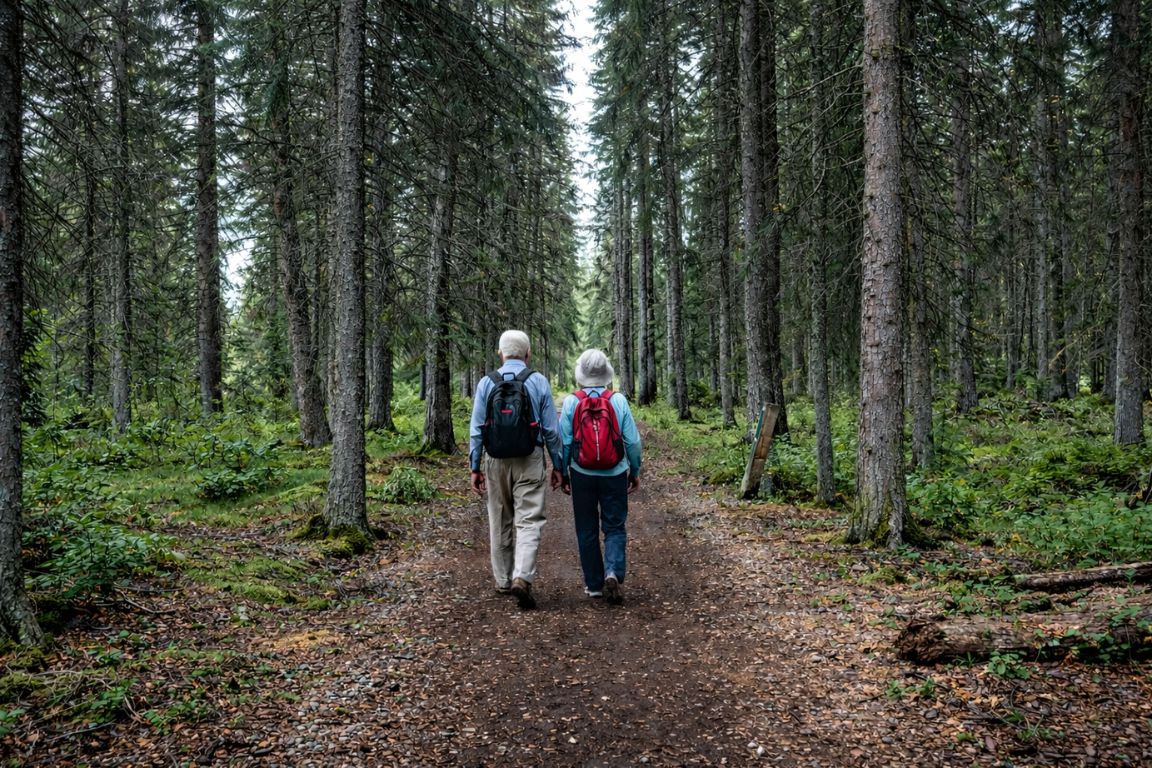 Yes, and for reasons that are genuinely different from summer. Spring in Banff – roughly late March through early June – offers lower hotel prices (down 30-50% from peak summer), excellent wildlife viewing, the Bow Valley Parkway cycling window, and roaring waterfalls fed by snowmelt. The trade-off is real: high alpine trails stay snow-covered until mid-July, some roads and facilities open late, and weather can flip in an hour.
The honest version is this: spring in Banff is best for people who know what they’re coming for. If your list includes Moraine Lake at sunrise, hiking Sentinel Pass, and paddleboarding on Lake Louise, you’re in the wrong season. Those things don’t exist yet in May.
Planning a visit? Check out our Moraine Lake travel guide – access has changed completely and you need to understand the shuttle system before you go.
But if you want to drive the Bow Valley Parkway and watch a grizzly work the roadside grass sixty metres from your bumper with almost nobody else around, spring delivers that in a way summer simply cannot. The valley bottom is the first place to green up after winter. Bears know this. Elk know this. Our guides have spent enough May mornings on that stretch of highway to tell you: the wildlife viewing is as good as it gets anywhere in the Rockies.
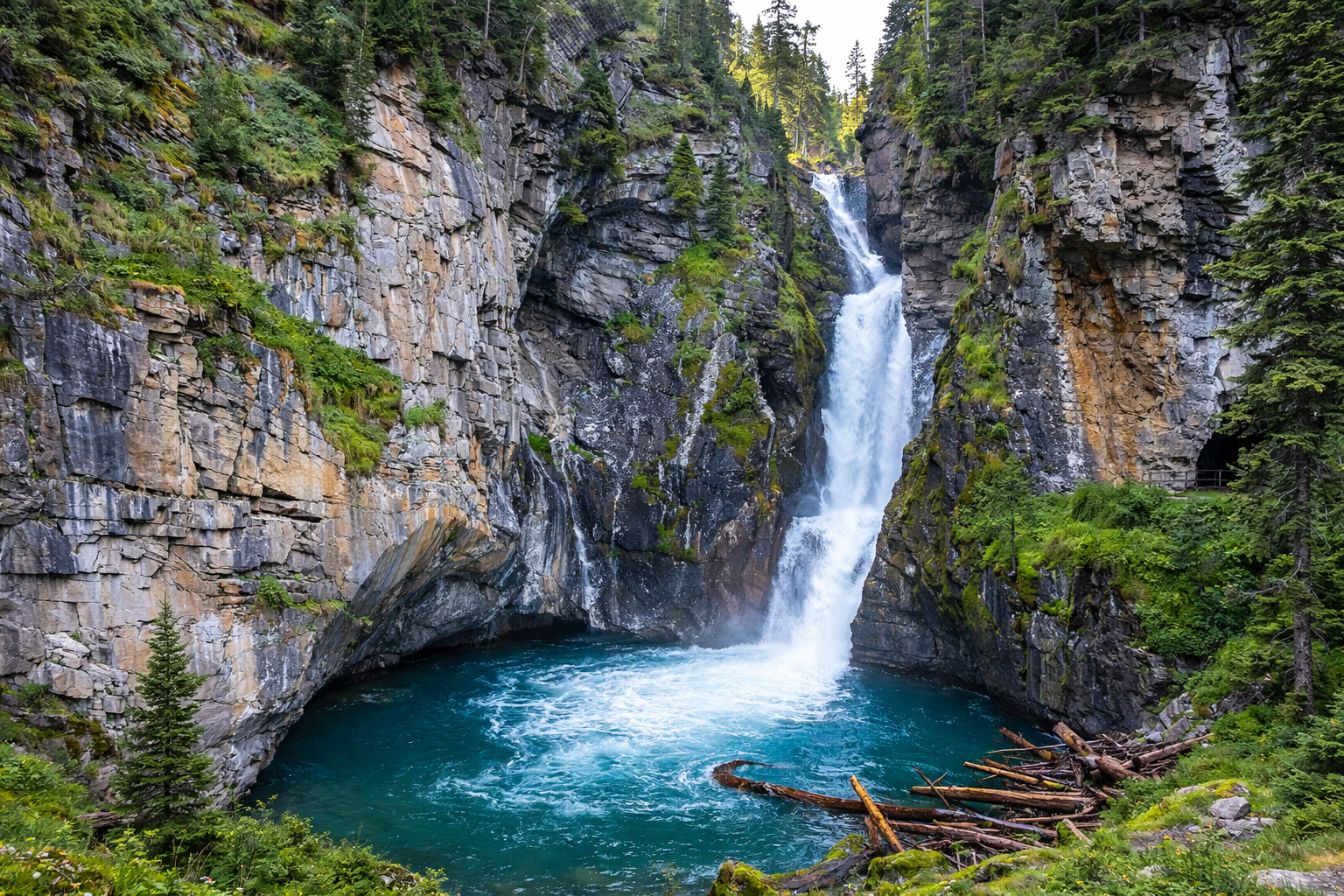
The waterfall situation is another genuine spring advantage. Snowmelt charges every creek in the park by mid-May. Johnston Canyon’s upper and lower falls run at full volume in a way that looks, honestly, a little violent compared to the trickle you get by late August. Bow Falls, the Fenland Trail, Silverton Falls off the Bow Valley Parkway, all of them are at peak. You won’t be disappointed.
The price drop is real too. Mid-range hotels that run $300 to $400 a night in July are routinely available in May for $150 to $250. That’s not a rumor; that’s a consistent pattern we see year after year with travelers who ask us when to come if they want to manage costs.
If you’re feeling overwhelmed by all the decisions, here’s how to plan a Banff National Park trip so you don’t waste time figuring out permits and transportation on the fly.
When Do Trails And Roads Actually Open In Banff In Spring?
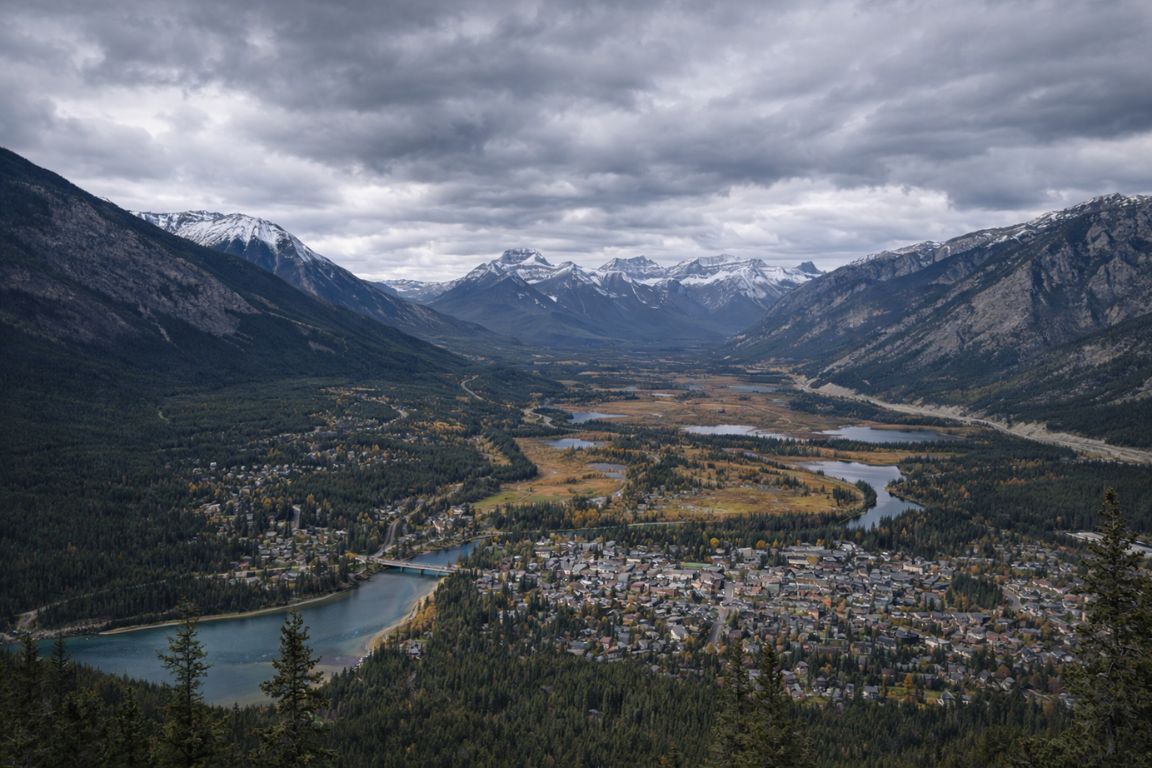 Low-elevation trails near the Banff townsite (Tunnel Mountain, Fenland Trail, Stewart Canyon, Bow River Trail) are typically accessible from April, though icy and muddy. Mid-elevation routes like Johnston Canyon and Lake Agnes open through May. High alpine passes stay snow-bound until mid-July. Moraine Lake Road access is seasonal. Check current Parks Canada conditions and access notices before every outing.
The elevation divide is everything in Banff spring. The town of Banff sits at 1,383 m. Tunnel Mountain summit is at 1,692 m. Lake Agnes teahouse is at 2,135 m. Sentinel Pass is at 2,611 m. Each of those steps adds weeks to the snow-melt timeline, and that math is non-negotiable no matter what the weather app says.
Here’s what actually opens, and roughly when:
| Tunnel Mountain loop (4.8 km) | Early April | Icy on switchbacks; microspikes helpful until May |
| Fenland Trail (2 km loop) | Early April | Flat; boardwalk sections stay passable |
| Bow River Trail (paved) | Early April | Paved; icy sections melt first |
| Stewart Canyon (3 km RT) | April, year-round accessible | Can be icy; no elevation |
| Hoodoo Trail (4.6 km one-way) | April to early May | South-facing; dries out early |
| Johnston Canyon to Ink Pots (10.5 km RT) | Late April to mid-May | Lower falls accessible earlier; Ink Pots by mid-May most years |
| Sulphur Mountain trail (5.5 km one-way) | Late April | South-facing slope; melts early but icy in mornings |
| Lake Agnes (7 km RT, 385 m gain) | Late May | Higher elevation; teahouse opens seasonally mid-June |
| Lake Louise Lakeshore | May (ice-out varies) | Lakeshore trail opens before alpine routes |
| Plain of Six Glaciers (14 km RT) | Late June | Higher elevation; teahouse usually opens late June |
| Larch Valley / Sentinel Pass | Late June to early July | Snow-bound until then; Moraine Lake Road must be open first |
One thing that trips people up every year: the trail conditions page at Parks Canada is accurate in real time. We tell every spring traveler the same thing before they leave the hotel. Pull up pc.gc.ca/pn-np/ab/banff/activ/randonnee-hiking/etat-sentiers-trail-conditions that morning. A trail that looked fine on Thursday can be a sheet of ice after a cold night on Friday.
The other thing worth knowing: above treeline (roughly 2,000 m) is genuine avalanche territory through June. Parks Canada flags this clearly. We do not take groups into off-trail alpine terrain in spring without checking current warnings, and neither should you.
If you want to get on the trails, here are the best hiking trails in Banff National Park tours based on difficulty, scenery, and which ones require shuttle reservations or permits.
What Are The Best Things To Do In Banff In Spring?
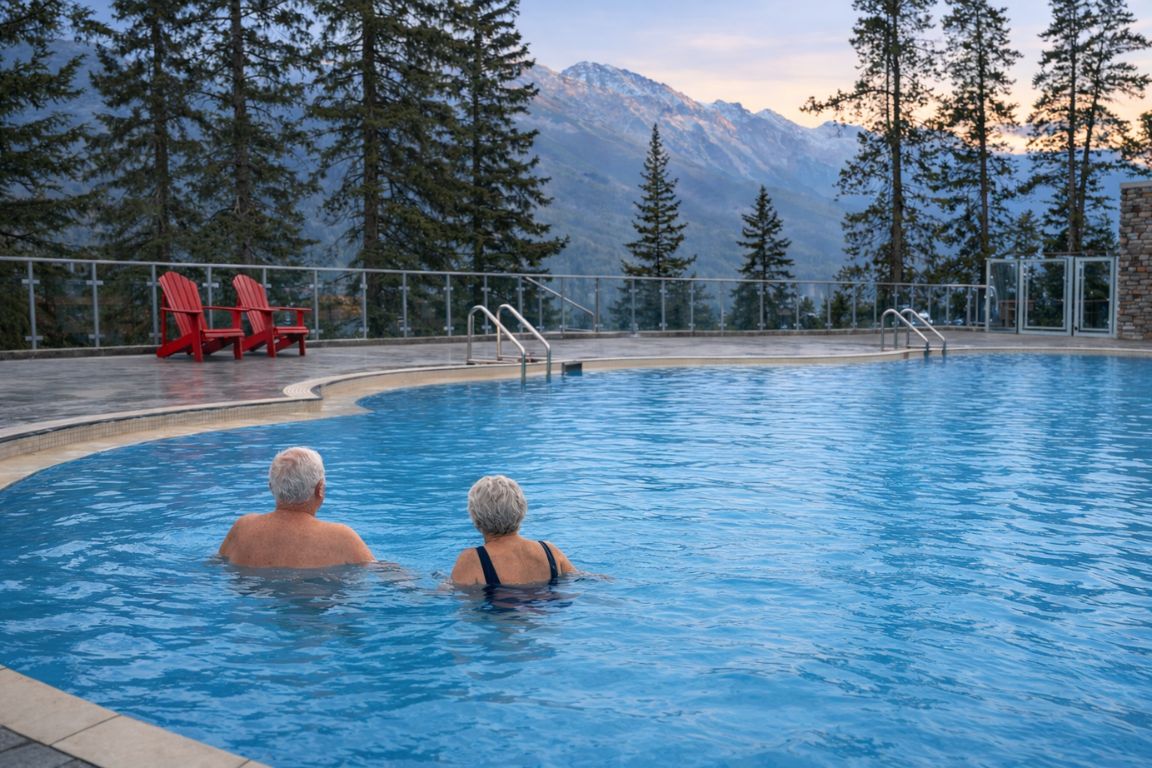 The top spring activities are cycling the Bow Valley Parkway (May 1 to June 25 vehicle closure), wildlife watching along that same corridor, hiking lower-elevation trails like Tunnel Mountain and Johnston Canyon, spring skiing at Sunshine Village and Lake Louise (both open into May), visiting the Banff Upper Hot Springs, and scenic drives on the Icefields Parkway while snowmelt waterfalls are at peak volume.
The Bow Valley Parkway cycling window is something we recommend to almost every spring traveler who mentions they own or can rent a bike. Between 2025 and 2030, Parks Canada has extended a pilot project that closes the eastern 17 km section of the parkway (from the Fireside Day-Use Area to Johnston Canyon) to public vehicles from May 1 to June 25. You get the full road. Just you, the pavement, the elk that wandered out overnight, and mountains in every direction. The elevation gain is 771 m over 24 km from Banff town, so it is a real ride. E-bike rentals are available in town if you want the scenery without the suffering.
There is also a nightly closure on that same stretch from March 1 to June 25 – all travel, bikes and walkers included, restricted from 8 pm to 8 am. This is a wildlife corridor closure. The reason it exists is that research shows animals, especially grizzly bears and wolves, more than double their use of that habitat when roads go quiet at night. The montane zone along the Bow Valley Parkway is the first area in the park to green up after winter. It is critical spring territory for predators and prey alike.
Spring skiing deserves more credit than it gets in most travel guides. Sunshine Village typically runs into May. Lake Louise runs to the first weekend of May most years. The snowpack in late April is stable and the crowds are gone. If you ski and you’ve never done a spring day at Sunshine, it’s one of those quiet mountain pleasures that locals guard jealously.
Hot springs after a cold hike is another spring staple. The Banff Upper Hot Springs sit at 1,585 m on the slope of Sulphur Mountain. The contrast of soaking in 38°C water while snow-covered peaks are visible in every direction is the kind of thing that sounds cliché until you’re actually sitting in it.
If you'd rather hand the logistics to someone who has run spring tours in this park since 2014, start with the best Banff National Park tours and pick one that matches what is open during your week.
If you want to skip the research, here are the best Banff National Park tours based on guide quality, group size, and what you’ll actually experience beyond the standard stops.
What Wildlife Can You See In Banff In Spring?
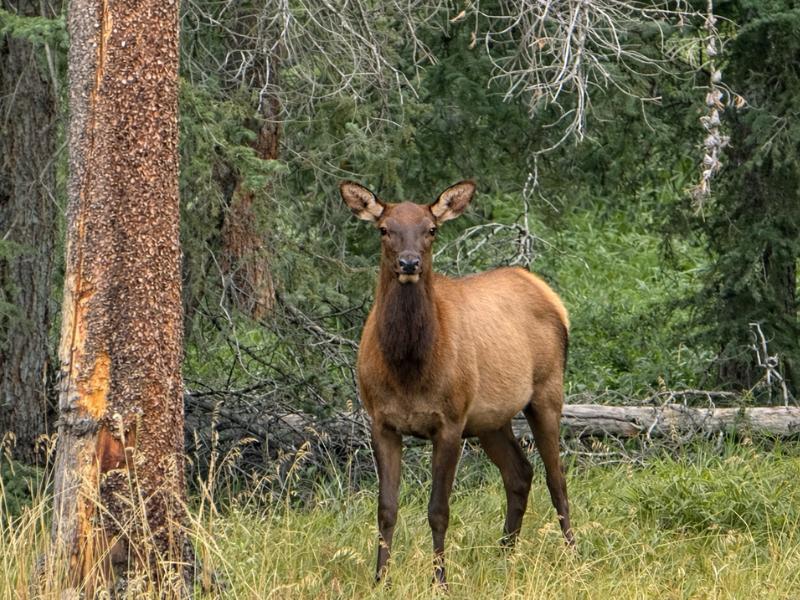
Spring is the best season for bear sightings in Banff. Large male grizzlies emerge from dens mid to late March; females with cubs follow in April and May. Black bears come out late April to early May. Elk calving runs from mid-May to early July, making cows unpredictable and aggressive. Bighorn sheep are common on roadside slopes. Migratory birds including bald eagles and ospreys return in spring. Best viewing: Bow Valley Parkway and Vermilion Lakes Drive at dawn or dusk.
We’ve been watching this play out for over a decade and the pattern holds reliably. The big males come first. Bear No. 122, known locally as “The Boss,” is one of the biggest grizzlies in the park and is typically one of the first spotted each spring. He usually shows up in the lower Bow Valley in early to mid-April. The large males emerge ahead of single females, and females with cubs bring up the rear through April and May. By the time most summer travelers arrive in July, the bears have moved higher as the alpine melts out. Spring valley-bottom sightings are what you don’t get in July.
Black bears follow a slightly different timeline. They’re generally out of hibernation from late April through early May. There are 35 to 40 black bears in Banff National Park – fewer than the roughly 70 grizzlies – but sightings along the Bow Valley Parkway and the Trans-Canada between Banff and Lake Louise are genuinely common in spring. The valley grass and dandelions greening up are the food source that pulls both species into visible terrain.
Elk calving is something that catches travelers off guard. The cows are looking for safe, quiet spots to give birth from mid-May onward. They push toward the townsite because predators are less likely to follow them there. That’s useful for wildlife viewing. It also means an elk cow with a calf nearby is not the same animal as the relaxed bull you photographed in September. Keep 30 metres. If she pins her ears back, that’s not a photo opportunity. Give her the space and move on.
The minimum safety distances: 30 metres for elk, deer, bighorn sheep, and most large wildlife; 100 metres for bears, wolves, and cougars. These are Parks Canada minimums, not suggestions. Carry bear spray and have it clipped to your body, not at the bottom of a daypack.
How Crowded Is Banff In Spring, And What Does That Mean For Prices?
 Spring is the quietest season in Banff relative to summer. April and early May see the fewest visitors of the non-winter months. Hotel rates in the townsite drop 30-50% from summer peaks. Mid-range properties averaging $300-400 per night in July frequently run $150-250 in May. Some amenities have reduced hours or haven’t opened for the season yet, which is worth knowing before you go.
The simplest way to put it: May in Banff is what June used to feel like before Banff became one of the most visited national parks on the continent. The streets aren’t empty. There are still tour buses. But you can walk into a restaurant on a weeknight without waiting, find parking at Johnston Canyon before 8 am, and generally move through the park at a pace that actually lets you see it rather than just survive it.
| Crowd level | Low | Low to moderate | Very high |
| Mid-range hotel (per night) | $120-$200 | $150-$250 | $300-$400+ |
| Trail access | Low-elevation only | Low to mid-elevation | Full access |
| Wildlife viewing | Excellent (bears emerging) | Excellent (calving, bears) | Good (animals move higher) |
| Lakes (turquoise color) | Frozen or just thawing | Thawing; color builds late May | Peak turquoise |
| Moraine Lake access | Closed | Opens mid to late May | Shuttle required; book ahead |
| Ski resorts | All three open | Sunshine into May; Lake Louise closes early May | Closed |
| Waterfalls | Building volume | Peak snowmelt volume | Reduced by August |
One pricing note worth flagging: shoulder season demand has been creeping up. What was once a quiet May is getting more attention from travelers who’ve caught on. It’s still far quieter than summer, but the deep discounts of a few years ago are tightening slightly. Booking midweek, booking a couple of months ahead, and staying in Canmore rather than the Banff townsite can all make a meaningful difference. Canmore is 20 minutes down the highway and consistently runs 20 to 35% cheaper than comparable Banff properties.
Worried about expenses? I’ve broken down Banff National Park tours travel costs so you know exactly what you’re paying for accommodation, activities, and those surprisingly expensive meals.
What Should You Pack For A Spring Trip To Banff?
Spring packing for Banff centers on layers and waterproofing. Temperatures swing from -5°C overnight to +20°C on a warm afternoon, sometimes within the same day. Rain and snow are both realistic through May. Microspikes are strongly recommended for any trail with elevation. Bear spray is required for any hike off the main paved paths, and it must be clipped to your body, not packed away.
The most common gear mistake we see in spring is people who dress for the forecast high and ignore the forecast low. The valley can be warm shirt weather at noon and feel like early winter by 4 pm when cloud rolls in off the peaks. Pack layers you can actually access quickly. A puffy that lives at the bottom of the bag is not useful when the temperature drops 10 degrees in twenty minutes on a ridge.
| Footwear | Waterproof hiking boots | Trail mud in May is serious; trail runners will be wet all day |
| Traction | Microspikes | Critical for any trail above 1,800 m through mid-May; morning ice is unpredictable |
| Outer layer | Waterproof shell (not water-resistant) | Spring precipitation is mixed rain and snow; water-resistant shells saturate |
| Mid layer | Insulated jacket or fleece | Pack accessible, not buried in bag |
| Base layer | Merino wool or synthetic | Cotton base layers are cold when wet |
| Wildlife safety | Bear spray (240 mL canister) | Available at Banff visitor centres and retail; must be holstered on body, not in pack |
| Navigation | Downloaded offline maps (Gaia GPS or similar) | Cell coverage fails throughout the park; don’t rely on data signal |
| Sun protection | SPF 30+ sunscreen and sunglasses | UV intensity at elevation is higher than it feels on cool spring days |
| Extras | Trekking poles, gaiters for muddy trails | Not mandatory but useful; poles especially on icy descents |
One item that gets overlooked every spring: sunscreen. It feels counterintuitive on a 5°C day with clouds overhead, but UV intensity at Banff’s elevation hits noticeably harder than at sea level, and reflected light off snow on the peaks makes it worse. We’ve watched plenty of travelers come back from a morning hike with a sunburn they didn’t expect.
What Are The Biggest Mistakes People Make Visiting Banff In Spring?
 The five most common spring mistakes we see: assuming trails are open based on weather at town level, not booking accommodation even in shoulder season (weekends and long weekends still fill up), underestimating how fast conditions change at elevation, getting too close to wildlife during calving and emerging-from-hibernation periods, and missing the Bow Valley Parkway cycling window without realizing it exists.
We hear a version of this every season. Someone drove up on a warm May Saturday, saw t-shirt weather in town, and hiked up to Lake Agnes in trail runners with no rain gear. The trail was icy above 2,000 m. The weather turned at 2 pm. They came back down cold and muddy and a little shaken. It’s not a scary story. But it’s a story that happens often enough that we mention it to every spring traveler before they head out the door.
The trail conditions check is not optional in spring. Parks Canada updates the page actively. Visitor centres in Banff town and Lake Louise have staff who know what the trails looked like that morning. Use those resources. It takes five minutes and it genuinely changes the decision about where to go.
We’ve created a detailed Lake Louise guide because this iconic spot requires serious planning – from shuttle reservations to avoiding peak crowds to finding the best viewpoints.
The booking mistake runs the other direction from what people expect. Some travelers assume spring means rooms are plentiful right up until they show up. Weekends in May, especially long weekends like Victoria Day, fill up. If you’re traveling on a weekday and staying midweek, you’ll find availability. If you’re planning a Saturday night in the last week of May, book it ahead.
Wildlife distance rules deserve special attention in spring because the stakes are higher. A grizzly bear that emerged from hibernation three weeks ago is hungry and running on instinct. A cow elk with a calf born yesterday is wired to protect it. These are not aggressive animals by nature, but both situations are genuinely more volatile in spring than in midsummer, and 100 metres for bears is not a negotiating position.
The Bow Valley Parkway cycling opportunity is the most-missed spring activity we observe. Travelers drive past the gate without knowing what it is, or they read about it after they get home. The vehicle-free cycling window from May 1 to June 25 is one of the genuinely rare things you can only do in Banff in spring. One of the best Banff National Park tours can build that into a day if you want a spring itinerary that actually uses the season instead of working around it.
What Our Spring Travelers Tell Us: Patterns from the Field
Based on feedback from spring tour guests over multiple seasons, here is what we consistently hear from travelers who visited Banff between April and early June.
| Observation | Share of Spring Guests | Context |
|---|---|---|
| Said wildlife viewing exceeded expectations | ~72% | Most cited Bow Valley Parkway bear sightings |
| Wished they had packed microspikes | ~41% | Primarily first-time May visitors |
| Were unaware of Bow Valley Pkwy cycling closure | ~58% | Missed the vehicle-free window or discovered it too late to plan |
| Rated crowds as “better than expected” | ~84% | Compared to previous summer visits |
| Said they’d return specifically for spring | ~67% | After first spring visit, many prefer it to summer |
Frequently Asked Questions
Is Banff good in April?
April in Banff is genuinely good if you come for the right things. Ski season is winding down but Sunshine Village and Lake Louise are still open. Low-elevation trails like Tunnel Mountain are accessible, though icy in spots. Wildlife is highly active as bears emerge. The town is quieter than any other month, prices are lower, and the townsite itself is easy to enjoy. What you won’t have: turquoise lakes (still frozen), most hikes above 1,800 m, Moraine Lake, or most summer amenities. Come in April knowing what it is and you’ll likely love it.
When do the lakes turn turquoise in Banff?
Lake Louise and Moraine Lake begin showing their iconic turquoise color in late May as ice-out occurs, but they don’t reach peak color until late June or early July. The color comes from glacial rock flour suspended in meltwater. In April and early May the lakes are frozen or just beginning to thaw. If turquoise lakes are your primary goal, June or later is more reliable.
Is it worth visiting Banff in May?
May is one of our favorite months to bring guests to Banff. The crowds are low, prices are 30-50% below summer rates, the Bow Valley Parkway cycling window opens May 1, waterfalls are at peak volume from snowmelt, and wildlife is highly active. The trade-off is that high alpine routes are still snow-covered and Moraine Lake opens late in the month. For travelers who want a quieter experience with genuine mountain wilderness, May is excellent.
Do I need to book accommodation in advance for spring in Banff?
For weekday stays, advance booking is helpful but not urgent. For weekends, particularly long weekends like Victoria Day (late May), book ahead. The best properties in the townsite fill even in shoulder season, and the gap between a mediocre room and a good one narrows considerably when you plan a few weeks out rather than a few days.
What is the Bow Valley Parkway cycling closure in spring?
From May 1 to June 25 each year (through 2030 under the current Parks Canada pilot), the eastern 17 km of the Bow Valley Parkway – from the Fireside Day-Use Area to Johnston Canyon – is closed to public vehicles during daylight hours. Cyclists and pedestrians have the road to themselves. It’s one of the most scenic bike routes in the Rockies and one of the genuinely spring-specific experiences in the park.
Is it safe to hike in Banff in spring with bears active?
Yes, with preparation. Carry bear spray and have it clipped to your body in an accessible holster. Hike in groups where possible. Make noise, especially near streams or in dense brush. Check Parks Canada’s trail conditions for any active closures or bear activity warnings in the area you plan to hike. Bears emerging from hibernation are hungry and motivated, which increases the chance of an encounter compared to midsummer. Respect 100-metre minimum distances and never approach.
Planning a spring trip to Banff?
We’ve been running tours through every version of Banff spring since 2014 – the snowy May weekends, the warm April wildlife mornings, and every variation between. Our guides know which trails are actually open week to week and how to build an itinerary around the real conditions rather than the calendar. Questions before you book? Check availability for your dates.
Written by Avery Claire ThompsonCanadian tour guide since 2014 · Founder, Banff National Park Tours
Avery has guided over 8,600 travelers through Banff National Park and the Canadian Rockies since founding the agency.
Choose A Spring Outing By Conditions
Compare a guided day with the independent options in this guide. Confirm your date and meeting point before booking.
Match These Options To Your Trip
 Our Starting Recommendation
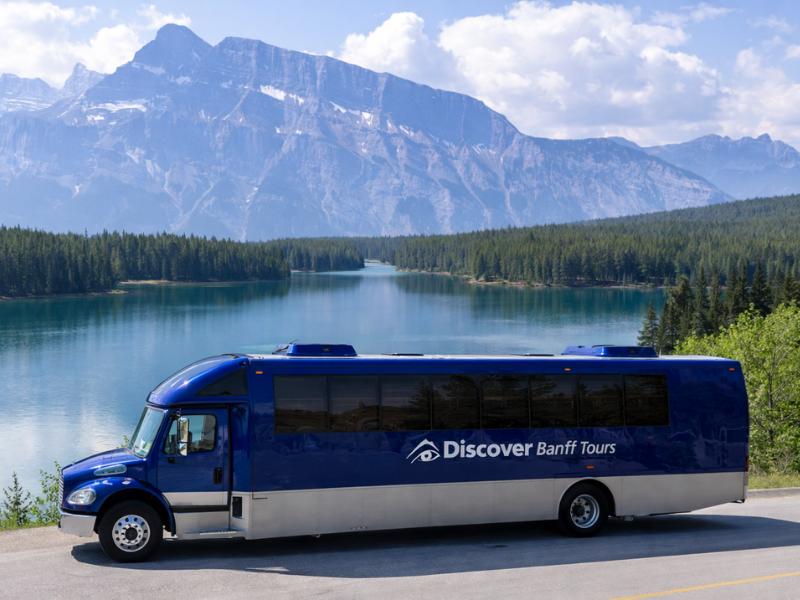
Banff Wildlife And Viewpoints Minibus
Join Bow Falls, Surprise Corner and Lake Minnewanka in a guided morning.
3½ hours · English
Banff hotel pickup on request; otherwise the Mount Royal Hotel bus parking.
Guide, minibus, cookie and drink. Gratuities extra.
Wildlife sightings are never guaranteed. Ask about child seating and access needs before booking.
Explore Banff’s Viewpoints ↗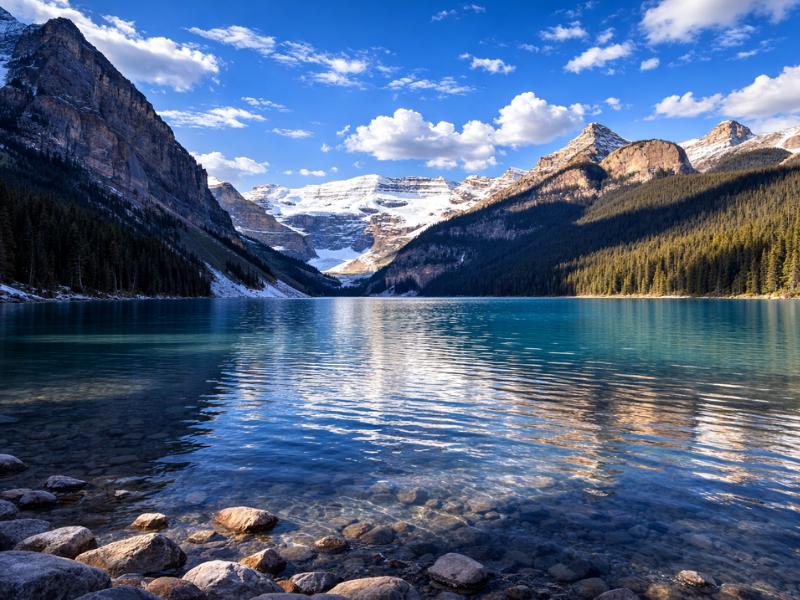 A Different Way To Spend The Day
Lake Louise And Moraine Lake Day Tour
Link the two lakes without organising separate transport.
8–10 hours · English
Pickup in Calgary, Canmore or Banff; confirm the selected meeting and end points.
Guide, transport and listed lake access. Meals and personal expenses extra.
No wheelchair access. Bring your own child seat for children under 7. Moraine Lake is seasonal.
Visit The Two Lakes ↗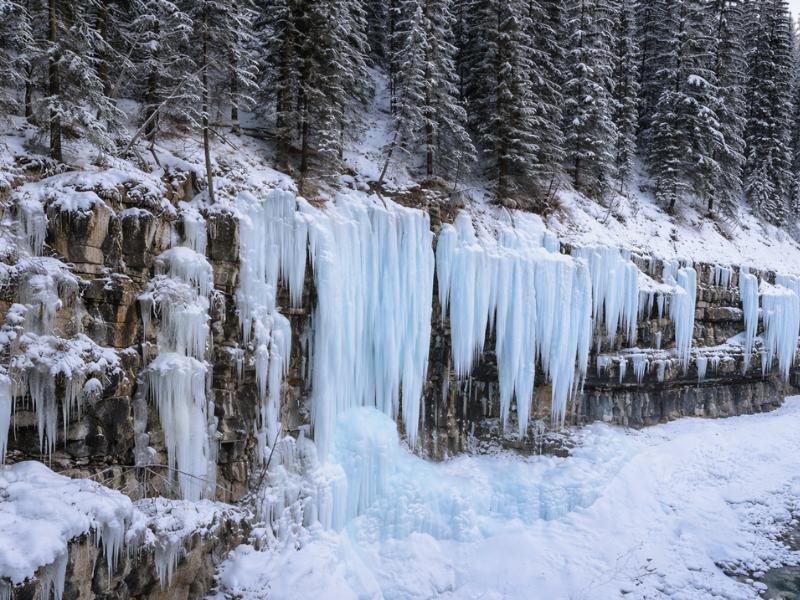 A Different Way To Spend The Day
Johnston Canyon Guided Icewalk
Walk to frozen waterfalls with a guide, ice cleats and poles provided.
4 hours · English
Banff pickup; confirm the listed morning or afternoon meeting time.
Guide, transport, ice cleats, poles, hot chocolate and cookie. Tips extra.
Ages 8+. A 5.4 km round trip with 135 m elevation gain. Moderate fitness and your own winter clothing needed.
Walk The Frozen Canyon ↗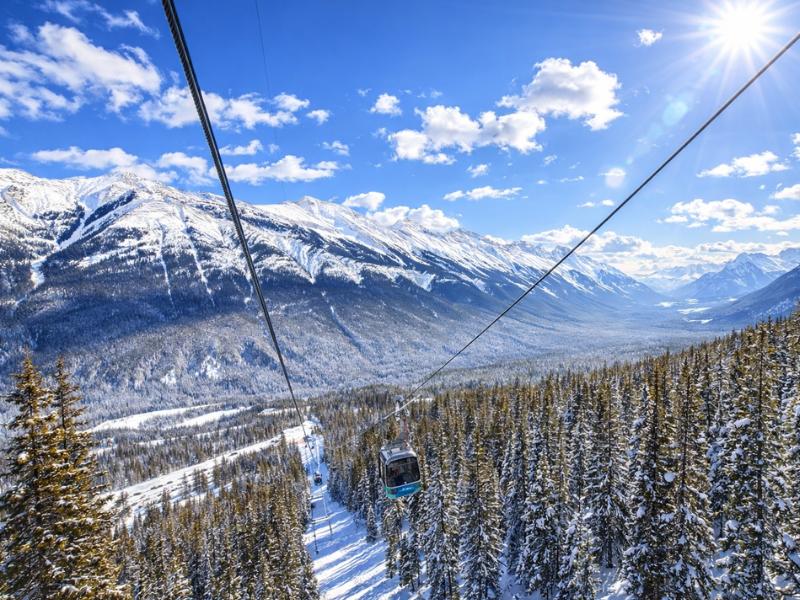 A Different Way To Spend The Day
Banff Gondola Summit Ticket
Reach Sulphur Mountain’s views without hiking the ascent.
Timed entry; ticket validity is 1 day · English
Make your own way to the Sulphur Mountain base.
Return gondola ride and summit interpretive facilities. Food, park admission and parking extra.
No strollers. Arrange accessibility requests with the operator at least 72 hours ahead. Confirm your return time.
Book The Summit Ride ↗No choices needed to use the recommendations above.
Work Out The Cost For Your Group
Enter complete quotes in CAD for the same people, date and itinerary. Include transport, parking, entry, food and any other extras on both sides. For shared versus private, enter the shared total first and private total second.
Use current quotes; no prices or savings are assumed.
Turn Your Plan Into A Day Out
Confirm conditions first, then book the spring outing that works with the park you will actually find.
Your Next StepBanff Wildlife And Viewpoints Minibus
Join Bow Falls, Surprise Corner and Lake Minnewanka in a guided morning.
3½ hours · English
Banff hotel pickup on request; otherwise the Mount Royal Hotel bus parking.
Guide, minibus, cookie and drink. Gratuities extra.
Wildlife sightings are never guaranteed. Ask about child seating and access needs before booking.
Explore Banff’s Viewpoints ↗Choose Your Date
Banff Wildlife And Viewpoints Minibus
Open the provider’s calendar to select your date, party and departure. Availability and prices are confirmed there.
Dates On GetYourGuide
Banff Wildlife And Viewpoints Minibus
Choose a date and party to see current options. Confirm the meeting point and restrictions on the listing.
More Banff Sightseeing On Viator
Browse the site’s original Viator selection of Banff day tours, wildlife outings and lake excursions. These are additional ideas, not matches to the trip form. Check dates, duration, pickup and suitability on each listing.
Open The Recommended Outing ↗