Banff Vs Jasper National Park
Banff or Jasper? Banff is iconic and easier for first visits, Jasper is quieter and wilder. Here’s how to choose the right Rockies trip.
A Banff experience can clarify the comparison, but it should support the park choice rather than pretend to cover Jasper. Choose Where a Guided Day Adds Value
Last updated: April 30, 2026
Your Experience Plan: Use the Banff options as examples of what is easy to arrange there, while keeping the Jasper and Icefields Parkway portions independent.
TL;DR
Banff is Canada’s most visited national park for good reason. Better for first-timers, easier to access from Calgary, more accommodation options, and home to the most photographed lakes in the country. Expect crowds in summer, especially July and August.
Jasper is larger, wilder, quieter, and cheaper. Wildlife sightings are more frequent, the night skies are genuinely dark, and you can hike for hours without seeing another soul. It rewards travelers who want a real wilderness experience rather than a curated postcard.
Best answer: If you only have 3-4 days, pick one and go deep. If you have 7+ days, drive the Icefields Parkway and do both.
Quick Facts: Banff Vs Jasper At A Glance
| Established | 1885 (Canada’s first national park) | 1907 (as Jasper Forest Park) |
| Size | 6,641 km² | 11,228 km² (largest in the Rockies) |
| Annual visitors | ~4+ million | ~2.4 million |
| Distance from Calgary | ~1.5-2 hours | ~4.5-5 hours |
| Distance from Edmonton | ~4.5 hours | ~3.5-4 hours |
| Park entry fee | Same – $12.25 adult/day (Verified March 2026) | Same – $12.25 adult/day (Verified March 2026) |
| Hiking trails | 1,600+ km maintained | 1,070+ km maintained |
| Ski resort(s) | 3: Sunshine Village, Lake Louise, Mt. Norquay | 1: Marmot Basin |
| Dark sky designation | No | Yes – 2nd largest Dark Sky Preserve in world |
| Summer accommodation (mid-range) | $250-$400+/night | $180-$320/night (approx.) |
| UNESCO World Heritage Site | Yes (Canadian Rocky Mountain Parks) | Yes (Canadian Rocky Mountain Parks) |
| 2024 wildfire impact | None | 32,000+ hectares burned; some trails still recovering in 2025/26 |
What Is The Difference Between Banff And Jasper National Parks?
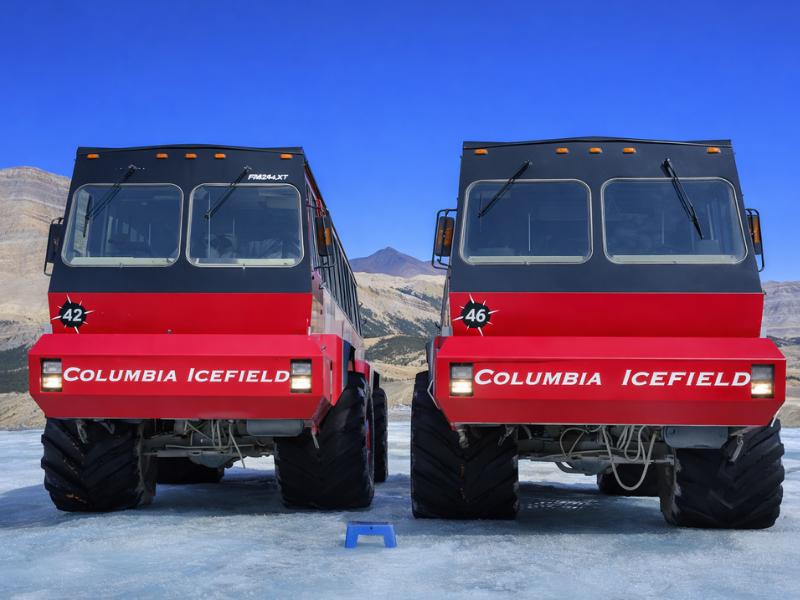
Banff is Canada’s original national park (1885) covering 6,641 km², built around a polished resort town with world-famous lakes and 4+ million visitors annually. Jasper is nearly twice the size at 11,228 km², quieter, more remote, and home to the Columbia Icefield and the second-largest dark sky preserve on Earth. Same park pass. Very different experiences.
The simplest way I explain it to clients before a trip: Banff is where the Canadian Rockies got famous. Everything that put this region on the global travel map, the turquoise glacier lakes, the iconic peaks, the resort town with great restaurants at 1,400 metres, that’s Banff. It sees over four million visitors a year, more than any other national park in Canada, and it’s set up to handle them.
Jasper feels like the Rockies before they got popular. The townsite is smaller, the roads are quieter, and the scale of the wilderness is harder to comprehend until you’re standing in it. Jasper covers 11,228 square kilometres of mountain terrain, glaciated valleys, and protected backcountry. Over 97% of the park is pure wilderness. You can drive for an hour in Jasper and still be inside the park boundaries.
Both parks share the same Parks Canada pass (so one Discovery Pass covers both), both sit within the same UNESCO World Heritage designation, and both connect via the Icefields Parkway, one of the genuinely great scenic drives on the planet. The 230-kilometre highway between them is part of the experience, not just a way to get from point A to B.
One important note for 2026 visitors: Jasper experienced a significant wildfire in August 2024 that burned through roughly 32,000 hectares of the park and damaged about a third of the townsite. Recovery has been substantial. The Canadian government committed to having major park facilities operational by summer 2025, and Parks Canada confirmed the majority of the park was open for the 2025 season. Some areas including Maligne Canyon are still in recovery as of 2026, so check Parks Canada’s What’s Open map before you go.
Which Park Has Better Scenery?
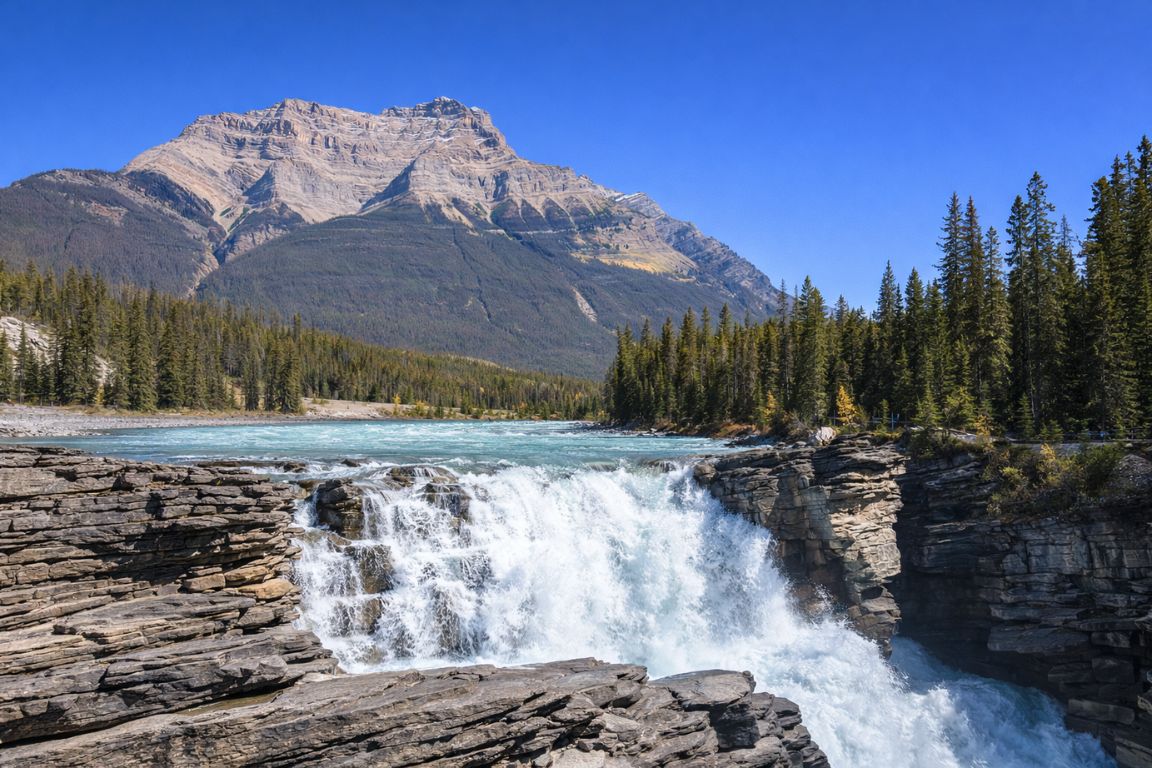 Different types of stunning. Banff wins on concentrated, iconic views: vivid glacier-fed lakes framed by sharp peaks within minutes of the townsite. Jasper wins on scale and raw landscape: wide valleys, glacial rivers, high alpine plateaus, and wilderness that feels genuinely untouched. Neither is “better” – they’re built differently.
If you want a picture that gets 4,000 likes, go to Banff. Lake Louise and Moraine Lake are two of the most photographed spots anywhere in the world, and they deliver every time. The turquoise colour comes from glacial rock flour suspended in the water, and it’s more intense than photos suggest. The views from the Banff Gondola over the Bow Valley are the kind you don’t forget either.
Want to know everything about the lake? I’ve put together a complete Lake Louise guide covering when to go, how to beat the crowds, and what to do beyond just taking photos.
If you’re trying to see this iconic lake, here’s our Moraine Lake travel guide so you know exactly how to navigate the new shuttle-only access and road closures.
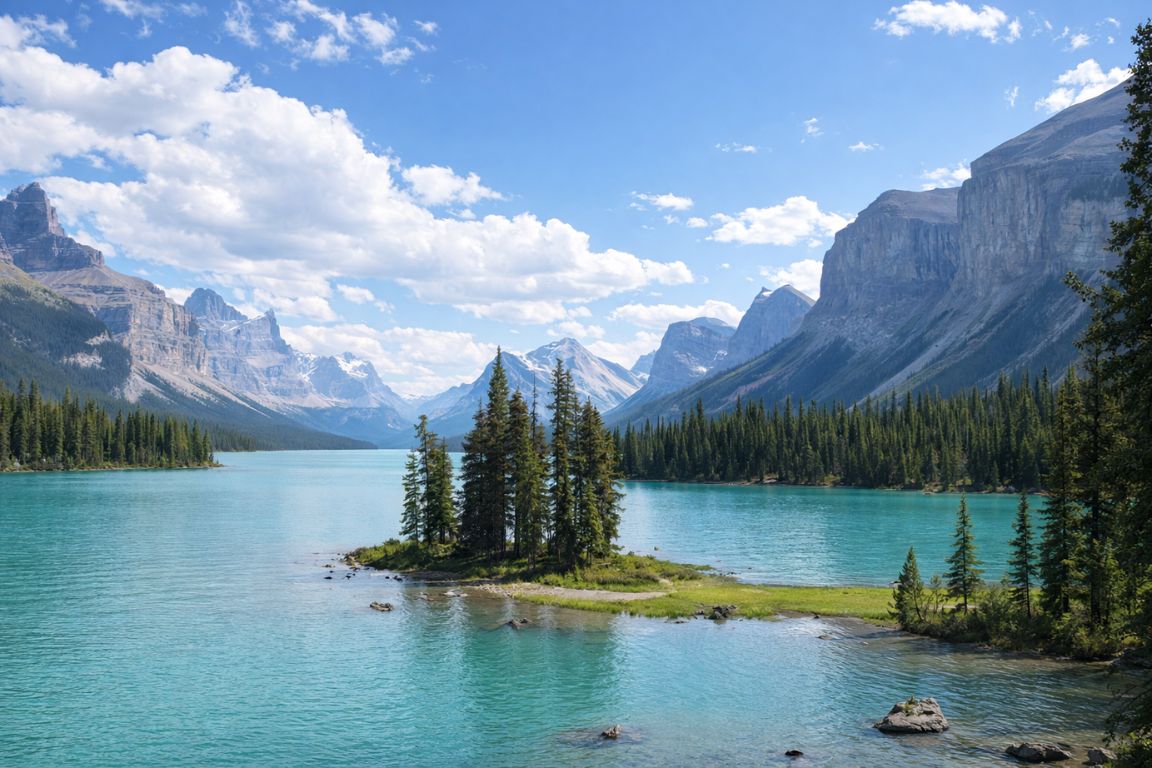
Jasper’s scenery is harder to capture in a single frame, which is maybe why it gets overlooked. Spirit Island on Maligne Lake (a 22.3 km glacial lake, the longest natural lake in the Canadian Rockies) is iconic in its own right. Athabasca Falls punches well above its 23-metre height, and the Columbia Icefield, straddling both parks, is one of the most significant glacial formations in North America. Standing at the Athabasca Glacier is one of the few places in the world where you can physically walk onto a glacier that’s part of a six-glacier icefield system.
The broader landscape character is different too. Banff’s valleys are tighter and more dramatic, with mountains that feel close and vertical. Jasper’s terrain is more expansive, with long open valleys, braided glacial rivers, and a sense of depth that’s harder to photograph but easier to feel.
| Lake Louise (turquoise glacier lake) | Maligne Lake & Spirit Island |
| Moraine Lake (Valley of the Ten Peaks) | Columbia Icefield / Athabasca Glacier |
| Peyto Lake (from Bow Summit) | Mt. Edith Cavell & Angel Glacier |
| Banff Gondola views over Bow Valley | Athabasca Falls |
| Johnston Canyon waterfalls | Maligne Canyon (check current status 2026) |
| Vermilion Lakes at sunset | Pyramid Lake |
Not sure which park suits your travel style? Talk to our team and we’ll help you build a Canadian Rockies itinerary around your priorities, whether that’s iconic views, hiking, wildlife, or something else entirely.
How Do Banff And Jasper Compare For Hiking?
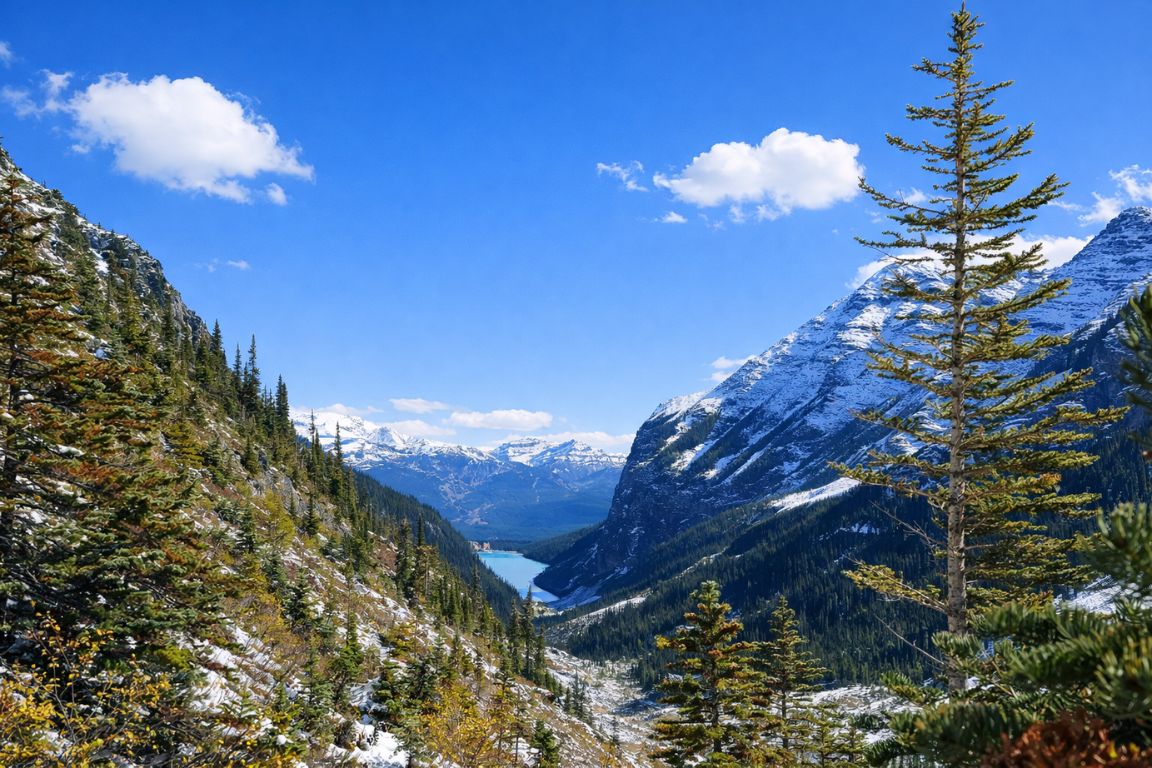 Banff has more trails (1,600+ km), better infrastructure for day hikers, and more shuttle-supported access to iconic hikes. Jasper has fewer but often more remote trails with greater solitude, and a stronger reputation among backpackers for multi-day wilderness routes. Families and first-timers will find Banff easier. Serious hikers often prefer Jasper.
Banff’s trail network is bigger and better funded. With over 1,600 kilometres of maintained hiking trails, you can spend weeks without repeating a route. More importantly, the park has invested heavily in making iconic hikes accessible, with shuttle services to Lake Louise and Moraine Lake, well-maintained paths to the Lake Agnes Tea House and Plain of Six Glaciers, and marked trails within walking distance of Banff Avenue itself. Tunnel Mountain is a 20-minute walk from downtown. Johnston Canyon to the lower falls is just over a kilometre. Easy hikes with big views are a real strength here.
Jasper operates differently. With around 1,070 km of maintained trails, there’s less choice on paper, but the experience is often more immersive. Trails are less manicured, distances between landmarks are greater, and it’s genuinely easier to find solitude on a summer day. Popular routes like Sulphur Skyline, Wilcox Pass (near the Banff-Jasper boundary), and Bald Hills offer challenging terrain with minimal crowds. The Tonquin Valley, a multi-day backcountry route that National Geographic named among the world’s best hikes, is the kind of route Jasper is quietly famous for among serious hikers.
One practical note: some of Jasper’s most popular trails, including Maligne Canyon, were impacted by the 2024 wildfire and are still in various stages of recovery. Always verify current trail status at the Parks Canada website before planning Jasper-specific hikes in 2026.
We’ve rounded up the best hiking trails in Banff National Park tours so you’re not stuck wondering which routes are worth the effort versus which are overhyped tourist traps.
| Maintained trail network | 1,600+ km | 1,070+ km |
| Best easy day hikes | Johnston Canyon, Tunnel Mountain, Lake Agnes | Valley of the Five Lakes, Pyramid Lake Loop, Edith Cavell Meadows |
| Best challenging hikes | Plain of Six Glaciers, Sentinel Pass, Parker Ridge | Sulphur Skyline, Wilcox Pass, Bald Hills |
| Best backpacking routes | Skoki Valley, Rockwall Trail | Tonquin Valley, Skyline Trail |
| Shuttle access | Strong – Roam Transit + Parks Canada shuttles | Limited – mostly car-dependent |
| Crowd levels on trails | High at popular hikes in peak summer | Low to moderate – much easier to find solitude |
| Family-friendly options | Excellent – many short scenic walks | Good – fewer short options, longer approach roads |
Which Park Is Better For Wildlife Viewing?
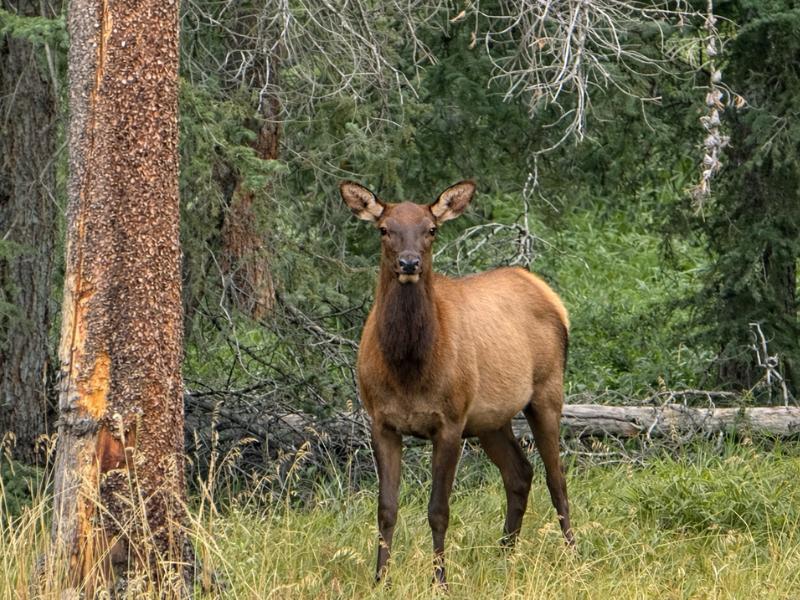
Jasper. Lower visitor numbers mean wildlife is less displaced from roadsides and trailheads. Both parks have identical species, including elk, grizzly bears, black bears, moose, wolves, and bighorn sheep, but sighting rates in Jasper tend to run higher simply because there are fewer humans around to push animals back into the forest.
I’ve guided wildlife tours in both parks and the pattern is consistent. In Banff during peak summer, parking lots fill by 7am, trails get busy by 9am, and elk are regulars on the Banff townsite golf course and side streets because those are the few quiet areas left. You can absolutely see wildlife in Banff, we’ve had remarkable moose sightings on the Bow Valley Parkway and bears near Lake Minnewanka many times, but the density of traffic compresses wildlife activity into narrower windows and locations.
Jasper’s 11,000+ km² of mostly undisturbed wilderness supports some of North America’s healthiest populations of grizzly bears, moose, and elk. The park also has one of the few remaining protected mountain caribou ranges in the Rockies. Dawn and dusk drives along the Maligne Lake Road and Pyramid Lake Road are reliably productive for elk and occasional bear sightings. Wolf sightings happen year-round in Jasper in a way that’s uncommon in Banff’s more trafficked corridors.
The 2024 wildfire has also created some unexpected wildlife viewing opportunities. Post-fire regeneration areas attract grazing animals, and Parks Canada has integrated ecological recovery tours that include wildlife observation as part of the rebuilt visitor experience.
Best wildlife viewing seasons in both parks: late April through June (bears emerging, calving season for elk and deer), and September through mid-October (elk rut, bears actively feeding before hibernation). Both seasons have the added benefit of smaller crowds and lower accommodation prices than July and August.
How Do Banff And Jasper Compare For Crowds And Accessibility?
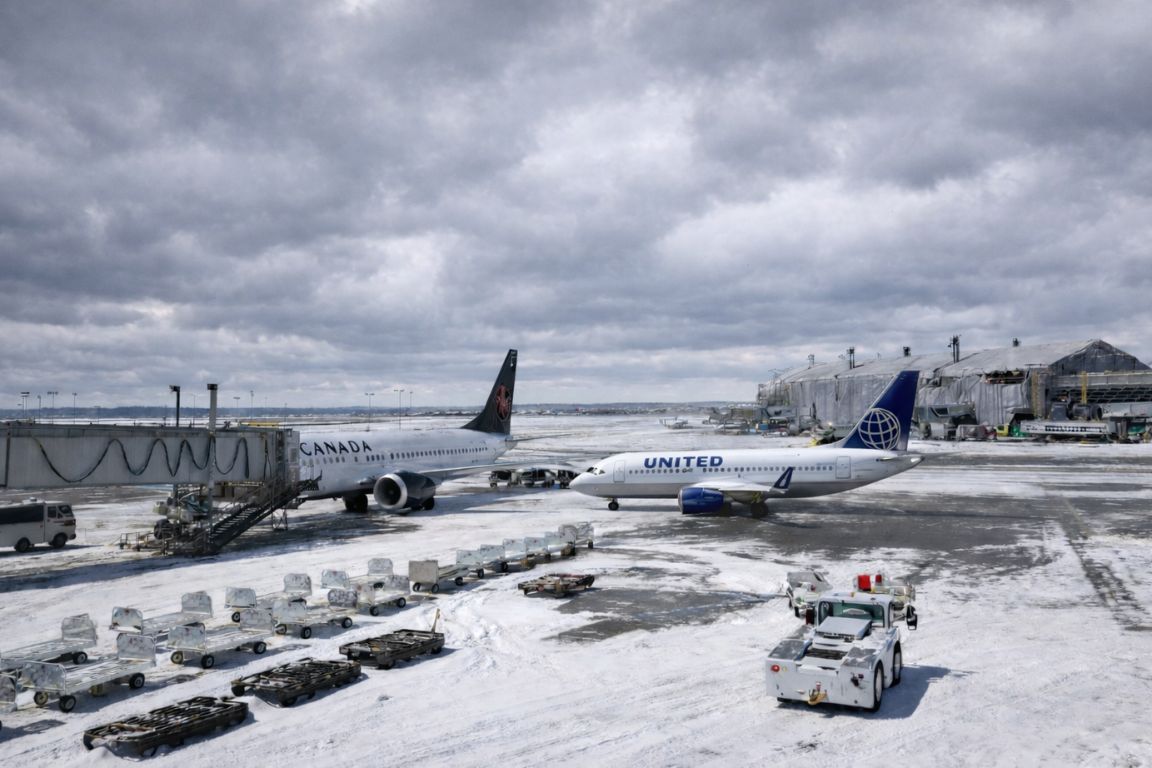 Banff is far more crowded and far easier to reach. It sits 1.5-2 hours from Calgary International Airport with year-round shuttle services and solid transit infrastructure. Jasper is 4-5 hours from Calgary or Edmonton, less served by public transport, and sees roughly half Banff’s visitor numbers. Less accessible = fewer people = a fundamentally different atmosphere.
This is the comparison that matters most for anyone who’s sensitive to crowds. Banff sees well over four million visitors annually, making it the most visited national park in Canada. In peak summer, Moraine Lake road fills completely before 6am and the parking lot at Lake Louise can hit capacity before 8am on a clear August morning. Parks Canada has implemented shuttle requirements for key areas precisely because private vehicle access has become unmanageable.
Jasper, by contrast, welcomes around 2.4 million visitors per year, distributed across a park that’s nearly twice the size. Even at peak summer, trails like Sulphur Skyline or the Valley of the Five Lakes feel manageable. The Jasper townsite, while a lovely mountain community, is noticeably smaller and quieter than Banff Avenue. There are no Helly Hansen flagships or party bars open until 2am. That’s either a downside or a relief, depending on your travel style.
Accessibility is a legitimate factor for trip planning. Calgary is the obvious gateway airport for the Canadian Rockies, and Banff’s proximity means you can land at noon and be standing at Lake Louise by 3pm. Getting to Jasper from Calgary involves either a 4.5-hour drive north through Edmonton or a 5-hour drive up the scenic but slower Highway 93. Edmonton is the more practical base for Jasper-first itineraries.
Planning a Canadian Rockies trip and want to make the most of your time in Banff? Browse our guided tours – we handle logistics so you spend less time in parking queues and more time in the park.
How Do Costs Compare Between Banff And Jasper?
 Park entry is identical – $12.25 per adult per day, or $167.50 for a family group Discovery Pass (Verified March 2026). Accommodation runs 15-25% cheaper in Jasper on average, and the Canada Strong Pass grants free entry to both parks from June 19 to September 7, 2026. Overall trip costs in Banff run higher due to accommodation demand, restaurant competition, and activity pricing.
The park pass cost is a non-issue for comparison purposes. Parks Canada charges the same daily and annual rates regardless of which park you’re in. If you’re visiting for 7 or more days, the Discovery Pass at $167.50 per family group covers all Canadian national parks for a year and pays for itself quickly.
Where costs diverge is accommodation. Banff’s popularity drives hotel pricing in a way Jasper historically hasn’t matched. Mid-range summer hotels in Banff run $250-$400 per night, while comparable properties in Jasper have generally come in lower. The 2024 wildfire reduced Jasper’s accommodation inventory temporarily, but supply is being rebuilt and the pricing gap is expected to continue. One note: the Fairmont Jasper Park Lodge, a 700-acre property with lake views and a storied history, is a luxury-tier exception and prices accordingly.
Dining is similar. Both towns have solid restaurant scenes with comparable price ranges. Jasper locals will tell you the food scene there punches above its weight for a town its size, and I’d agree, the Jasper Brewing Company alone is worth a stop. Banff has more volume and variety but also more tourist-trap pricing at the lower end.
Need to plan your spending? Our guide on Banff National Park tours travel costs breaks down what everything costs from budget to luxury so you can allocate your money wisely.
| Park entry (adult daily) | $12.25 | $12.25 |
| Discovery Pass (family/group, annual) | $167.50 | $167.50 (covers both) |
| Budget hotel/hostel | $120-$200/night | $90-$160/night |
| Mid-range hotel | $250-$400/night | $180-$320/night |
| Luxury (Fairmont-level) | $400-$800+/night | $400-$700+/night (Jasper Park Lodge) |
| Campsite (serviced) | $34-$47/night | $30-$45/night |
| Gondola / Skytram | From $60 (Banff Gondola, dynamic) | From $50 (Jasper SkyTram, longest aerial tramway in Canada) |
| Signature boat tour | ~$72 (Lake Minnewanka Cruise) | ~$70-80 (Maligne Lake Spirit Island Cruise) |
| Hot springs | $19.75 (Banff Upper Hot Springs) | ~$20 (Miette Hot Springs – reopens May 15, 2026) |
| Daily total (mid-range traveller) | $250-$400/person | $200-$340/person |
All prices verified March 2026. Park fees, activity prices, and accommodation rates are subject to change. Check Parks Canada and individual operator websites before booking.
Which Park Is Better In Winter?
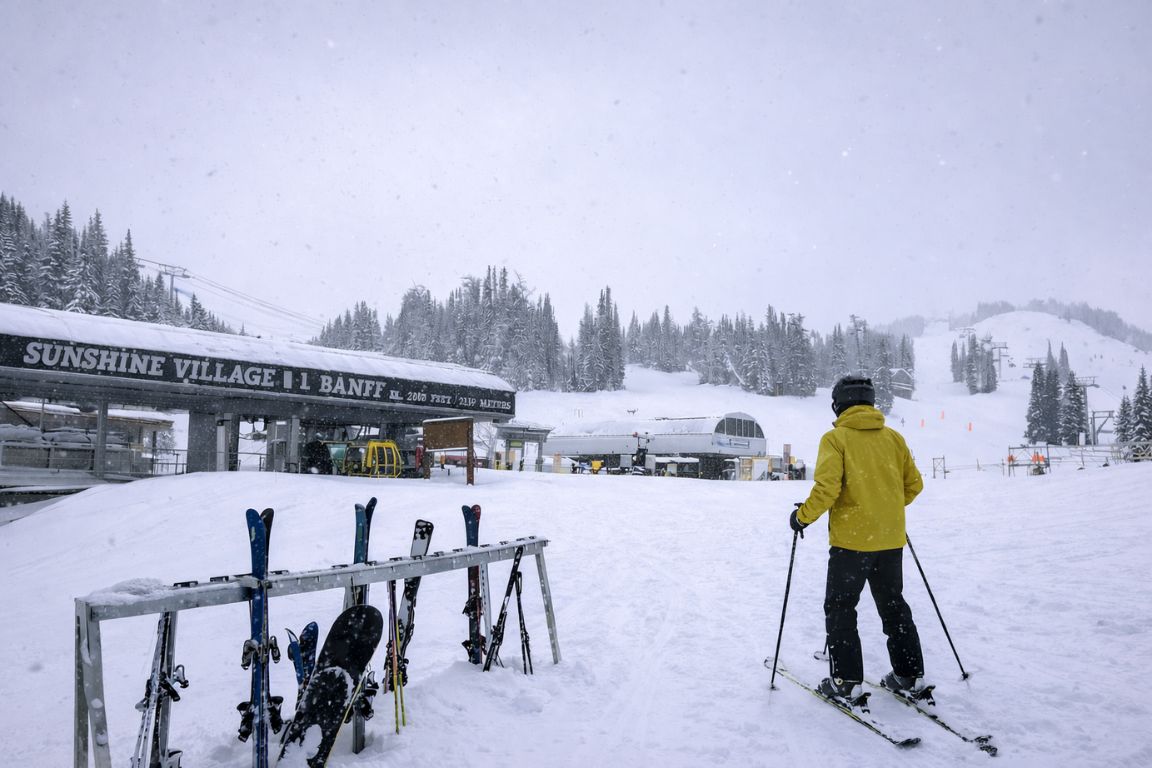 Banff wins for skiing infrastructure – three resorts (Sunshine Village, Lake Louise, Mt. Norquay) versus Jasper’s single Marmot Basin. But Jasper wins for the overall winter experience: darker skies for aurora viewing, a quieter townsite, the Maligne Canyon ice walk, and a ski resort with virtually no lift lines. Both parks are genuinely stunning in winter and significantly cheaper than summer.
Banff’s three-resort ski setup is hard to match anywhere in Canada. Sunshine Village, which straddles the Continental Divide and receives some of the best snowfall in the Rockies, often stays open into May. Lake Louise has expansive bowls and ridge terrain that serious skiers return to year after year. The combined lift-accessed terrain across all three Banff resorts dwarfs what Jasper offers.
Marmot Basin in Jasper runs 91 trails across five mountain faces with 914 metres of vertical drop. It’s not a small hill, but it’s smaller than Lake Louise alone, and Sunshine Village gets roughly double the annual snowfall. What Marmot delivers is something different: almost no lift lines, genuinely elbow room on the slopes even on weekends, and the highest base elevation of any Canadian ski resort, which keeps snow quality excellent for days after a storm. If you’re an intermediate to advanced skier who’d rather ski powder untracked than queue for groomers, Marmot is a legitimate choice.
Beyond skiing, winter in Jasper has some experiences that Banff simply can’t replicate. The Maligne Canyon ice walk (check status for 2026 given wildfire recovery) lets you walk inside a frozen limestone canyon and stand beneath ice formations that take shape over the season. And crucially, Jasper’s dark sky preserve status means winter nights are exceptional for northern lights viewing. The aurora appears most commonly from September through November and February through March, and with minimal light pollution over 11,000 km² of park, when conditions align, the displays are extraordinary.
If you’re planning a winter trip, here are the Banff National Park tours winter activities that take advantage of snow, frozen lakes, and the Rockies at their most dramatic.
Should You Visit Banff, Jasper, Or Both?
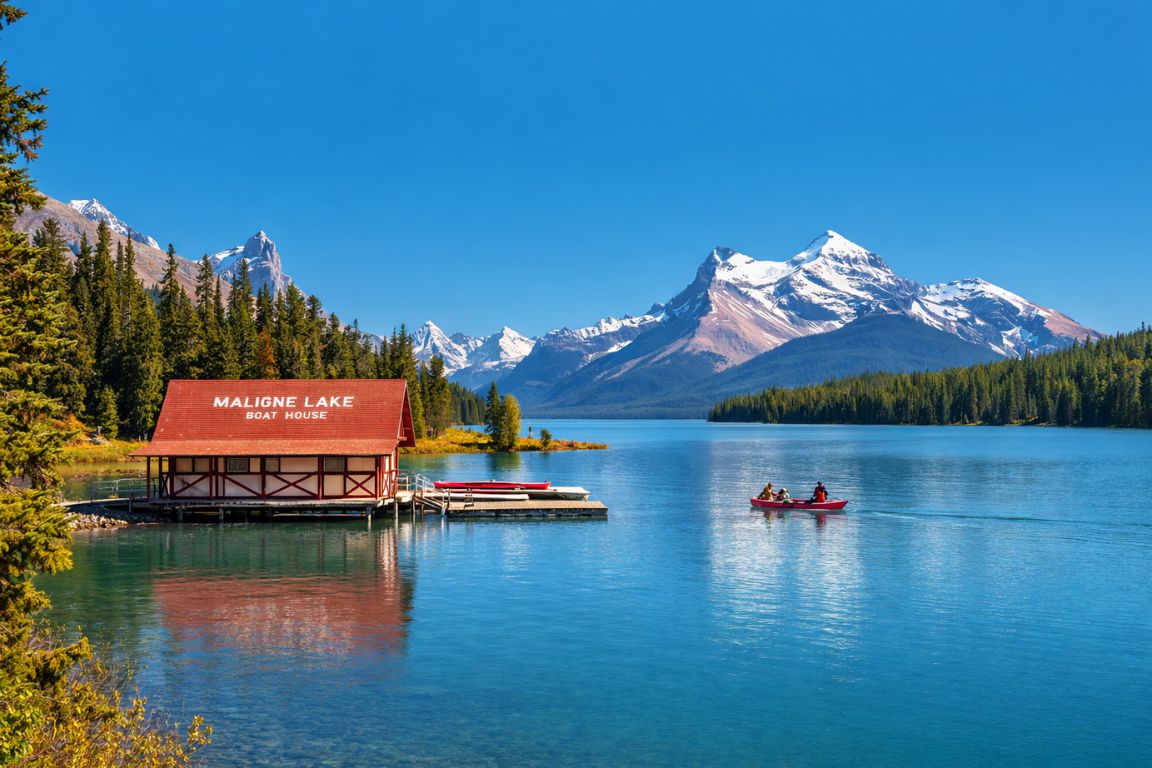 Visit both if you have 7+ days and a vehicle. Visit Banff only if you have 3-4 days, are flying into Calgary, or are visiting for the first time. Visit Jasper only if you’re wildlife-focused, a serious hiker, a stargazer, or simply done with crowds. The Icefields Parkway connecting the two parks is one of the world’s great scenic drives and justifies a combined trip on its own.
After guiding thousands of travelers through both parks, here’s how I’d break down the decision:
Choose Banff if: This is your first time in the Canadian Rockies, you have 3-4 days, you’re flying into Calgary, you want iconic scenery with easy access, or you’re travelling with children and want short family-friendly hikes near the townsite. Banff is also the better winter skiing destination if resort variety matters to you.
Choose Jasper if: Wildlife photography is a priority, you prefer solitude over amenities, you’re arriving from Edmonton, stargazing or aurora viewing is on your list, you’re a serious hiker wanting multi-day backcountry routes, or you want a quieter mountain town vibe without the resort-town hustle.
Choose both if: You have 7 or more days, you have a rental car, and you want the full Canadian Rockies experience. Drive the Icefields Parkway one way (it’s a full day minimum if you stop properly at Peyto Lake, the Columbia Icefield, Athabasca Falls, and the glacier viewpoints). Most visitors spend 3-4 nights in Banff and 2-3 in Jasper, with the parkway drive as the connector.
One thing I tell every client considering the combined trip: don’t try to rush it. The Icefields Parkway has over 100 named glaciers visible from the road, dozens of worthwhile stops, and the kind of scenery that loses its impact if you’re watching the clock. The people who leave unsatisfied are almost always the ones who tried to fit both parks into four days. Give it time and it gives back.
Wondering how to pull it all together? Our guide on how to plan a Banff National Park trip walks you through everything from Calgary to the trails without any guesswork.
From Our 8,600+ Travelers: What They Chose and Why
Based on post-tour feedback collected by Banff National Park Tours across guided trips in Banff and Jasper National Parks.
| First-time Rockies visitors | Banff | Iconic lakes, easier logistics, short trip |
| Wildlife photographers | Jasper | Fewer crowds, more sightings, better light in wide valleys |
| Families with young children | Banff | Short accessible hikes, more dining options, closer to Calgary |
| Experienced hikers / backpackers | Both (combined trip) | Jasper’s backcountry + Banff’s day hike variety |
| Repeat Rockies visitors | Jasper | “Done Banff, wanted something wilder” |
| Astronomy / stargazing enthusiasts | Jasper | Dark sky preserve, aurora viewing windows |
| Winter / ski trips | Banff | Three resorts, reliable snow, more après options |
Whether you’re set on Banff, Jasper, or both, we’d love to help you plan it properly. Explore our guided Banff tours or contact us for custom Canadian Rockies itinerary advice from a team that’s been doing this since 2014.
Frequently Asked Questions
Is Banff or Jasper better for first-time visitors?
Banff is generally the better choice for first-timers. Easier access from Calgary, more accommodation options, and iconic sights like Lake Louise and Moraine Lake concentrated near the townsite make it more practical for short trips. Jasper rewards repeat visitors and those specifically seeking wilderness over convenience.
Is Jasper cheaper than Banff?
Yes, Jasper is generally less expensive for accommodation. Park entry fees are identical. Jasper hotels typically run 15-25% cheaper than equivalent Banff properties due to lower demand, though the 2024 wildfire temporarily reduced Jasper’s inventory and pricing dynamics are still normalising in 2026.
How far apart are Banff and Jasper?
The two towns are approximately 290 km apart via the Icefields Parkway. The drive takes about 3.5 hours straight through, but most visitors take 6-8 hours when stopping at viewpoints, short hikes, and the Columbia Icefield. Budget a full day for the Icefields Parkway drive.
Which park has better wildlife viewing?
Jasper generally offers better wildlife viewing opportunities, particularly for bears, moose, and wolves. Lower visitor traffic means wildlife is less pushed back from roads and trailheads. Both parks have identical species, but Banff’s higher visitor density reduces spontaneous sightings in popular areas.
Can you visit both Banff and Jasper in one trip?
Yes, and most Canadian Rockies trips benefit from it. Most visitors spend 3-4 nights in Banff then 2-3 nights in Jasper, driving the Icefields Parkway between them. Allow at least 7 full days to do both parks justice. The parkway drive itself is a full-day experience worth building into the itinerary.
Written by Avery Claire Thompson
Canadian tour guide since 2014 · Founder, Banff National Park Tours
Avery has guided over 8,600 travelers through Banff National Park and the Canadian Rockies since founding the agency.
The Columbia Icefield sits on the parkway that links the two parks.
Choose Where A Guided Day Adds Value
Compare a guided day with the independent options in this guide. Confirm your date and meeting point before booking.
Match These Options To Your Trip
 Our Starting Recommendation
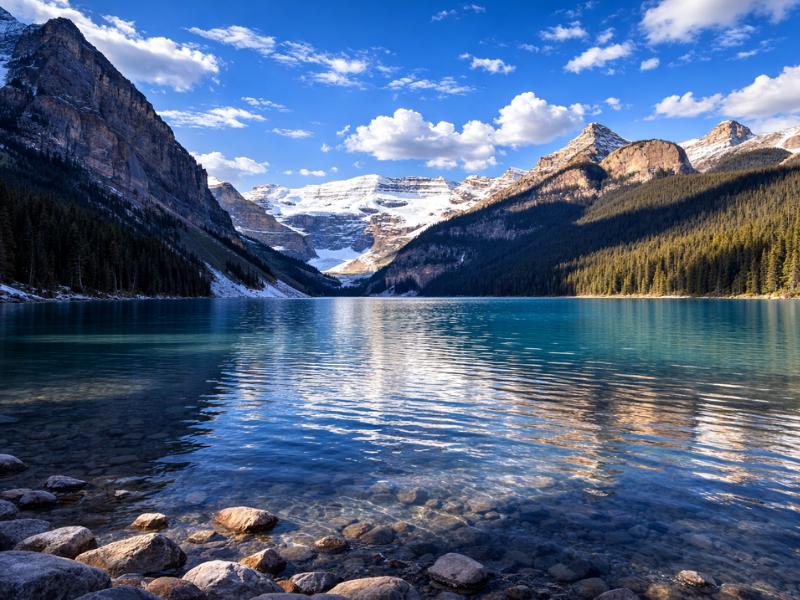
Lake Louise And Moraine Lake Day Tour
Link the two lakes without organising separate transport.
8–10 hours · English
Pickup in Calgary, Canmore or Banff; confirm the selected meeting and end points.
Guide, transport and listed lake access. Meals and personal expenses extra.
No wheelchair access. Bring your own child seat for children under 7. Moraine Lake is seasonal.
Visit The Two Lakes ↗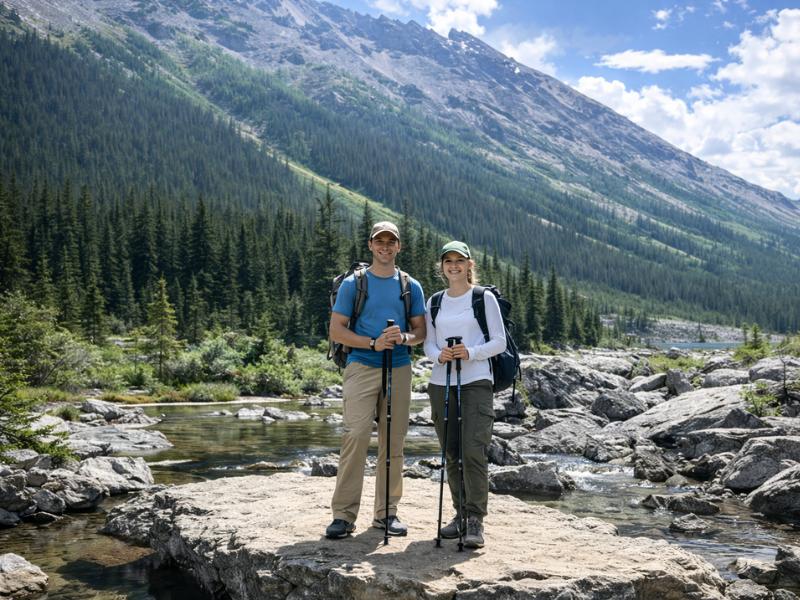 A Different Way To Spend The Day
Guided Signature Hike With Lunch
Spend the day on a named mountain trail with a guide, transport and lunch.
7 hours · English
Banff hotel pickup or the listed Mount Royal Hotel meeting point.
Certified guide, picnic lunch, hiking poles and transport. Teahouse purchases extra.
Ages 13+. Route depends on weekday and conditions. The Larch Valley route does not reach the top of Sentinel Pass.
Choose A Guided Hike ↗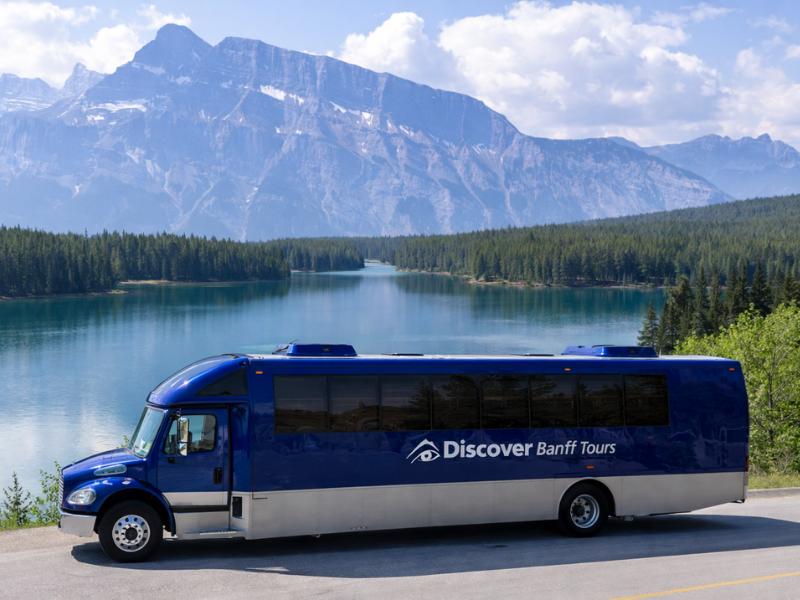 A Different Way To Spend The Day
Banff Wildlife And Viewpoints Minibus
Join Bow Falls, Surprise Corner and Lake Minnewanka in a guided morning.
3½ hours · English
Banff hotel pickup on request; otherwise the Mount Royal Hotel bus parking.
Guide, minibus, cookie and drink. Gratuities extra.
Wildlife sightings are never guaranteed. Ask about child seating and access needs before booking.
Explore Banff’s Viewpoints ↗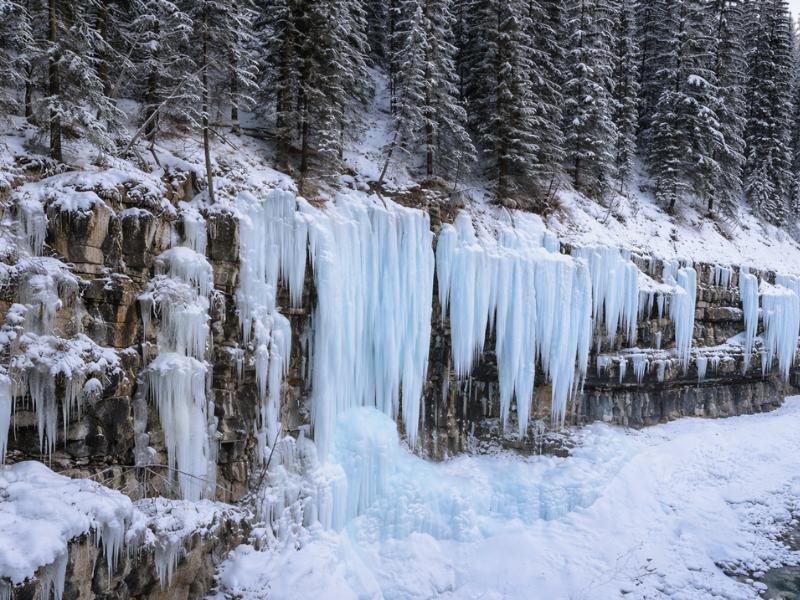 A Different Way To Spend The Day
Johnston Canyon Guided Icewalk
Walk to frozen waterfalls with a guide, ice cleats and poles provided.
4 hours · English
Banff pickup; confirm the listed morning or afternoon meeting time.
Guide, transport, ice cleats, poles, hot chocolate and cookie. Tips extra.
Ages 8+. A 5.4 km round trip with 135 m elevation gain. Moderate fitness and your own winter clothing needed.
Walk The Frozen Canyon ↗No choices needed to use the recommendations above.
Work Out The Cost For Your Group
Enter complete quotes in CAD for the same people, date and itinerary. Include transport, parking, entry, food and any other extras on both sides. For shared versus private, enter the shared total first and private total second.
Use current quotes; no prices or savings are assumed.
Turn Your Plan Into A Day Out
Decide the park split first, then add a Banff experience only where it solves a real access or planning problem.
Your Next StepLake Louise And Moraine Lake Day Tour
Link the two lakes without organising separate transport.
8–10 hours · English
Pickup in Calgary, Canmore or Banff; confirm the selected meeting and end points.
Guide, transport and listed lake access. Meals and personal expenses extra.
No wheelchair access. Bring your own child seat for children under 7. Moraine Lake is seasonal.
Visit The Two Lakes ↗Choose Your Date
Lake Louise And Moraine Lake Day Tour
Open the provider’s calendar to select your date, party and departure. Availability and prices are confirmed there.
Dates On GetYourGuide
Guided Signature Hike With Lunch
Choose a date and party to see current options. Confirm the meeting point and restrictions on the listing.
More Banff Sightseeing On Viator
Browse the site’s original Viator selection of Banff day tours, wildlife outings and lake excursions. These are additional ideas, not matches to the trip form. Check dates, duration, pickup and suitability on each listing.
Open The Recommended Outing ↗