How Many Days Do You Need In Banff National Park?
How many days do you need in Banff? Most travelers underestimate it - here’s the honest timeline after guiding 8,000+ visitors through the park.
Use your available days to decide which logistics deserve a booking and which days should stay flexible. Fit a Tour Into Your Itinerary
Last updated: April 30, 2026
| 3 days | First-timers on a tight schedule | Banff town, Lake Louise, Moraine Lake, Sulphur Mountain | Icefields Parkway, Yoho NP, longer hikes |
| 5 days | Most visitors, the sweet spot | All highlights + Icefields Parkway + Yoho or Kananaskis | Jasper, backcountry, lakeshore circuit hikes |
| 7 days | Those who want the full Canadian Rockies experience | Everything above + Jasper + full Icefields Parkway | Deep backcountry, repeat visits to favourite spots |
| 10+ days | Serious hikers, backcountry campers, return visitors | Multi-day hikes, satellite parks, all four seasons’ worth of Banff | Very little |
| Ski trip | Winter visitors, SkiBig3 skiers | 3-4 days covers all three resorts with time for town | Summer lakes, alpine wildflower hikes |
Your Experience Plan: A lake tour consumes a full day, the gondola is a self-arrival ticket with one-day validity, and a private day takes roughly eight to eleven hours.
How Many Days Do You Really Need In Banff National Park?
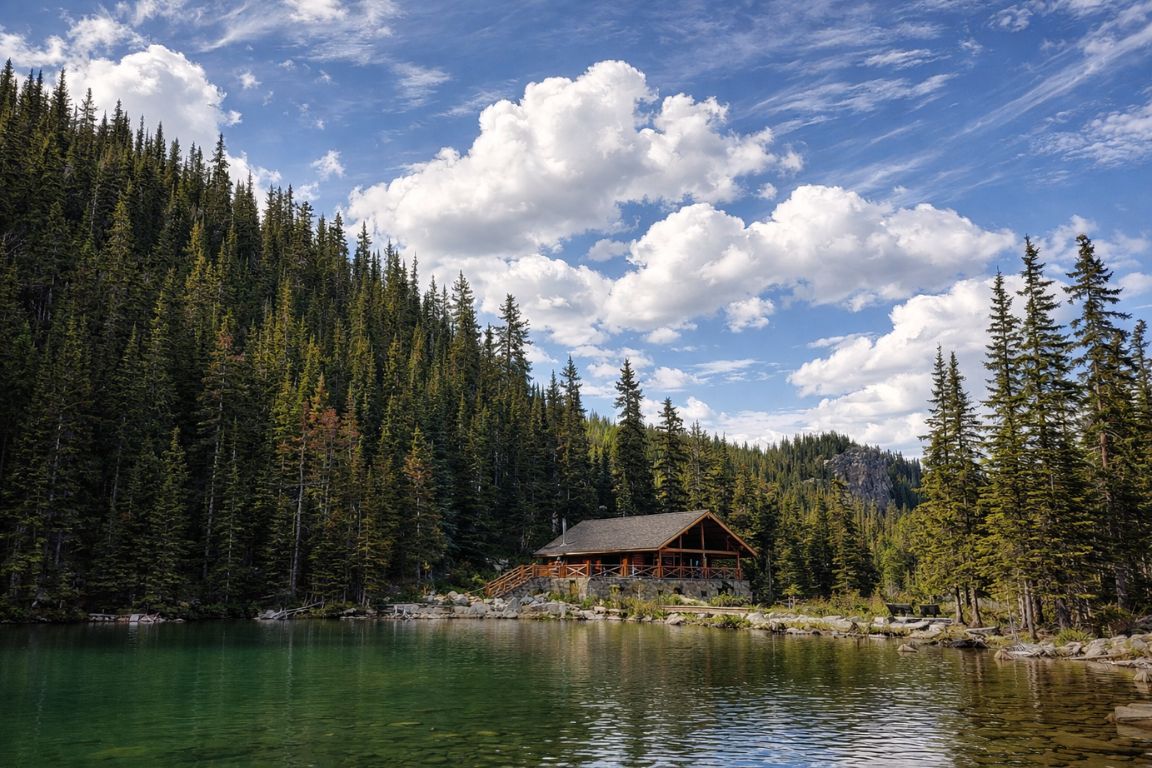 Most first-time visitors need a minimum of 4-5 days to experience Banff without feeling rushed. Three days covers the headline highlights. Five days lets you breathe, do a proper hike, and see the Icefields Parkway. Seven days is enough for Banff plus Jasper if you’re efficient with your time.
The number I’d push back on is three days. It’s doable. Lots of people do it. But every single person who does three days in Banff tells me the same thing on the way out: they wish they had more time. You end up spending day one getting oriented, day two rushing between Lake Louise and Moraine Lake, and day three realizing you haven’t even scratched the Icefields Parkway.
Four days is where Banff starts to feel like a real trip. You get to slow down at the lakes instead of sprinting through them for Instagram shots. You can actually sit at the Lake Agnes Tea House and enjoy your tea instead of checking the time every five minutes. You have buffer for weather, for getting lost on a trail, for the unexpected bear sighting that stops traffic for forty-five minutes.
Five days is what I’d call the honest minimum for most travelers, the point where you stop feeling like you’re managing a checklist and start feeling like you’re actually in Banff.
Need help with logistics? Check out our breakdown on how to plan a Banff National Park trip – from getting there to navigating summer crowds to booking those hard-to-get campsites.
Is 3 Days In Banff Enough?
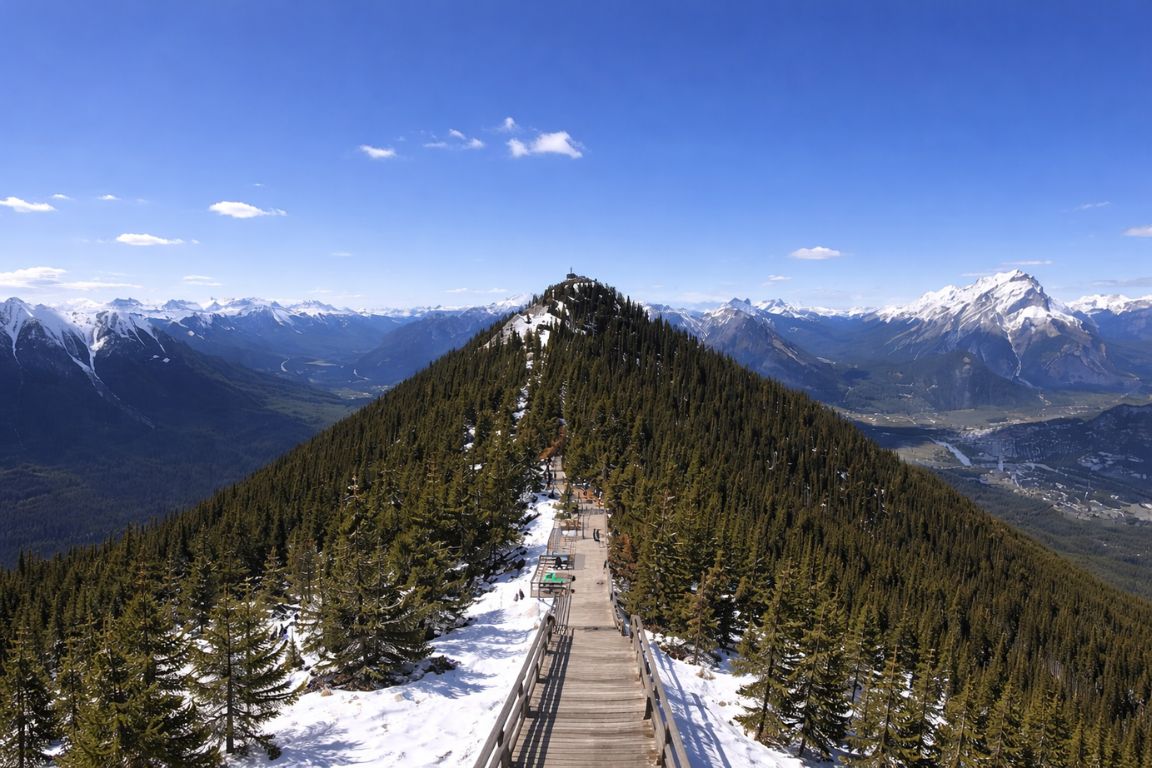 Three days in Banff is enough to see the most famous highlights, the town, Lake Louise, Moraine Lake, and one gondola or canyon experience, but not enough to feel like you’ve truly explored the park. You’ll leave wanting more.
With three days you can pull it off, but the logistics have to be tight. Moraine Lake requires an advance shuttle booking through Parks Canada, and if you haven’t locked that in before your trip, you’re scrambling. Lake Louise parking hits capacity by 8am in July and August. The gondola has timed tickets. None of this is impossible to navigate, it just means three days has almost no margin for error or spontaneity.
Here’s what a solid three-day plan actually looks like:
Day 1: Arrive via Calgary (roughly a 90-minute drive), check in, explore Banff Avenue, Bow Falls, Vermilion Lakes at sunset. Get your Parks Canada pass and any shuttle reservations sorted if you haven’t already.
Day 2: Early start for Moraine Lake on the first shuttle, then over to Lake Louise for the afternoon. This is a long, full day, you’ll want to be on the shuttle by 6am or earlier in peak summer months.
Day 3: Banff Gondola or Sulphur Mountain hike in the morning, Johnston Canyon on the Bow Valley Parkway in the afternoon, Banff Upper Hot Springs before dinner if your legs are still with you.
That leaves zero time for the Icefields Parkway, Yoho National Park, any serious hiking beyond the Lake Agnes Tea House trail, or the kind of slow morning that makes mountain trips actually restorative. Three days is a highlight reel, not an experience.
| Moraine Lake | Yes, with advance shuttle booking | Book Parks Canada shuttle as soon as reservations open (mid-April) |
| Lake Louise | Yes | Arrive before 8am or use the shuttle from Lake Louise Park and Ride |
| Banff Gondola / Sulphur Mountain | Yes | Book gondola in advance; or hike up (~4.5km) and take the gondola down free after 7pm in summer |
| Johnston Canyon | Yes (Lower Falls at minimum) | Lower Falls is 1.2km each way; Upper Falls adds another 1.3km |
| Icefields Parkway | No, not properly | Would need a separate day; rushing it defeats the purpose |
| Yoho National Park | No | Requires a half or full day; better suited to 5-day itineraries |
| Multi-day backcountry hiking | No | Requires advance permits and multiple days |
| Lake Agnes Tea House hike | Tight, if paired with Lake Louise day | 7.2km return, ~400m elevation gain, about 3-4 hours |
If three days is what you have, make it work. It’s still one of the most beautiful places on earth. But start your shuttle and parking research the day you book your flights, not the week before you arrive.
Planning a first trip to Banff and not sure how to structure your days? Compare verified Banff tour options for one guided day; confirm the exact stops and duration before placing it in a three-day itinerary.
Need a day-by-day plan? Check out our 1, 2 and 3-Day Banff National Park tours itineraries – they show you how to prioritize the must-sees based on how much time you actually have.
What Can You Do In Banff In 5 Days?
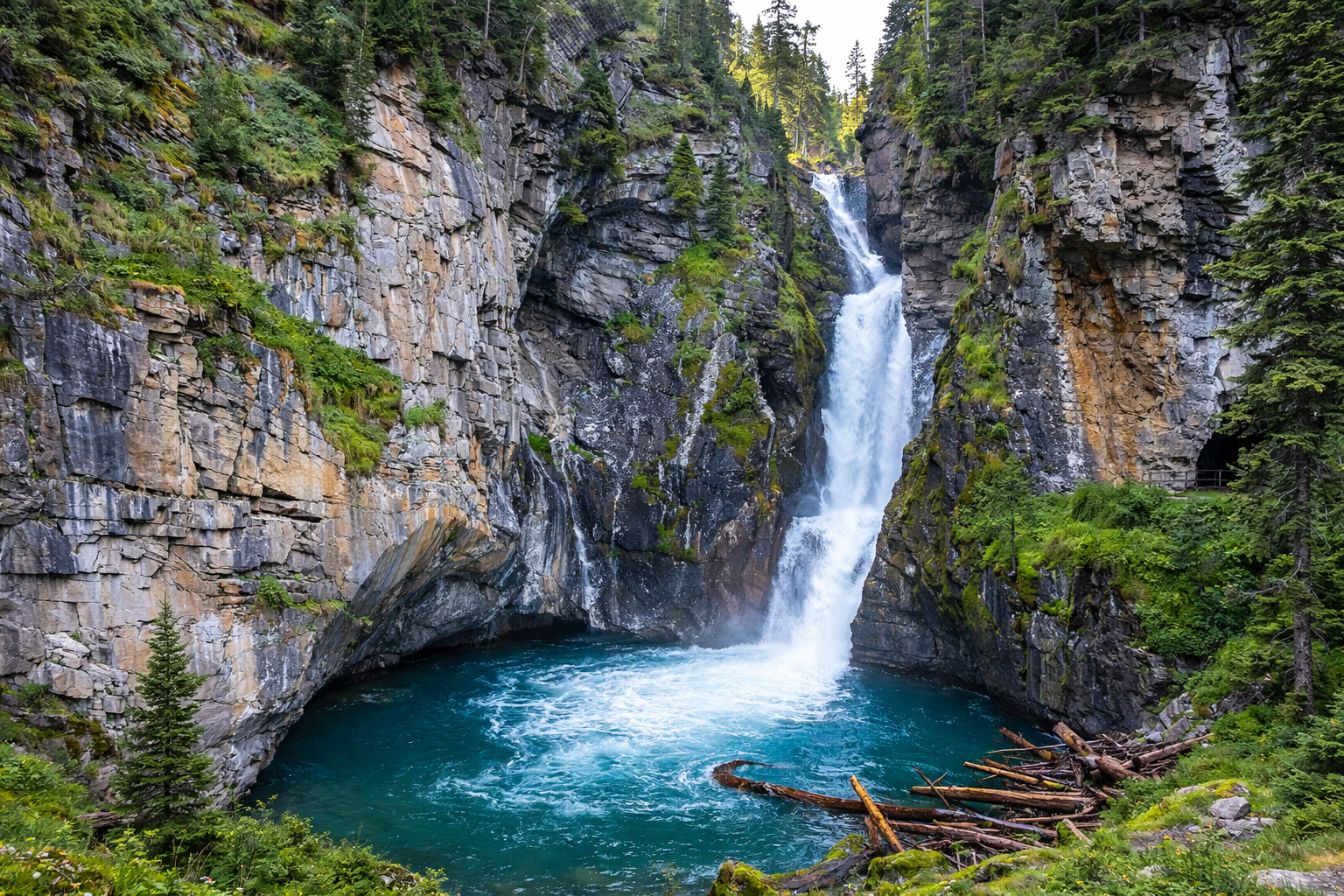 Five days in Banff gives you time for every major highlight plus the Icefields Parkway, a full day in Yoho or Kananaskis, and at least one serious half-day hike. This is the length most experienced mountain travelers recommend for a first visit.
Five days is where you stop managing logistics and start actually being in the mountains. Banff and Lake Louise Tourism themselves describe five days as “a good length of time to tick off the world-famous hot spots”, and they’re not wrong, though even they admit you could happily spend two weeks here.
Here’s how five days can look:
Day 1: Banff town orientation. Banff Avenue, Bow Falls, Vermilion Lakes, Cascade Gardens. Dinner at one of the spots on Banff Avenue. Early night, you have a long day coming.
Day 2: Lake Louise and Moraine Lake. First shuttle of the morning to Moraine Lake, then over to Lake Louise. Consider the Lake Agnes Tea House trail at Lake Louise for the afternoon, it’s 7.2km return with about 400m of gain, takes 3-4 hours, and ends with tea and pie at a backcountry teahouse at 2,135 metres. One of the better afternoons you’ll have in Canada.
Day 3: Icefields Parkway. This is a full day. Leave early from Banff or Lake Louise, work your way north through Bow Lake, Peyto Lake (Bow Summit viewpoint), Mistaya Canyon, Saskatchewan River Crossing, Parker Ridge if you want a proper hike, and the Columbia Icefield. The straight drive from Lake Louise to Jasper is just under three hours, but with stops, budget 8-10 hours minimum. Most people who don’t overnight in Jasper turn around at the Columbia Icefield and head back.
Day 4: Yoho National Park or Kananaskis. Both are short drives from Banff and get significantly fewer visitors. In Yoho: Emerald Lake in the early morning for reflections before the tour buses arrive, then Takakkaw Falls. In Kananaskis: no park pass required, beautiful terrain, a fraction of Banff’s crowds. If you’ve already covered Johnston Canyon on a previous day, Yoho makes a natural Day 4.
Day 5: Banff Gondola, Sulphur Mountain, or whatever you missed. Banff Upper Hot Springs. A slow morning on Banff Avenue. This day is intentionally lighter, your legs will probably be grateful for it.
Need the full breakdown? Our complete Lake Louise guide walks you through everything from parking logistics to hiking options to when the lake actually looks turquoise.
What Does A 7-Day Banff Itinerary Look Like?
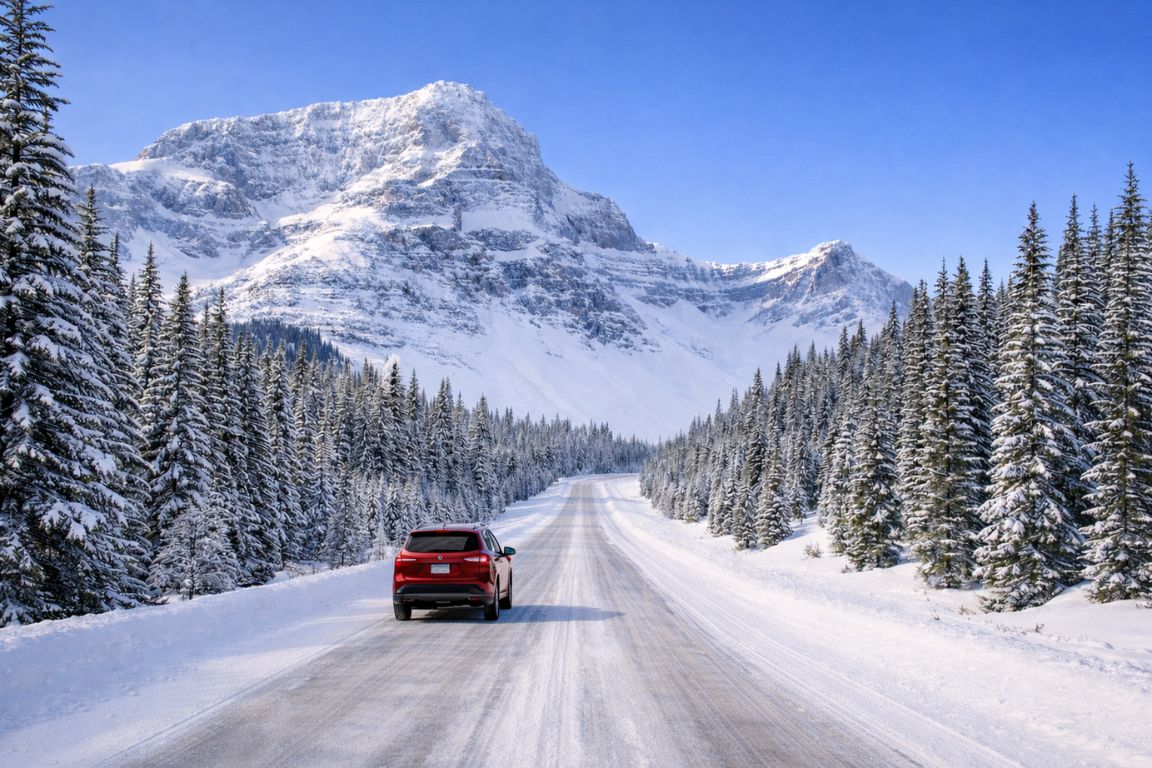 Seven days in Banff is enough to add Jasper National Park to your trip and drive the full Icefields Parkway properly. It’s the recommended minimum for anyone who wants both parks, and Jasper is absolutely worth the extra days.
Seven days is the structure most Canadian Rockies itinerary guides are built around, and there’s a reason for that. It gives you three solid days in the Banff area, one full day on the Icefields Parkway, and two to three days in Jasper, which deserves its own proper visit. Jasper National Park is nearly twice the size of Banff, has roughly half the visitors, and offers a noticeably different feel to the whole thing.
The 232km Icefields Parkway between Lake Louise and Jasper is genuinely one of the most beautiful drives in the world. Straight drive time is about three hours, but with stops at all the main viewpoints, short hikes, and the Columbia Icefield, you’ll easily fill a full day. Some experienced travelers recommend two days on the Parkway, overnighting near the Columbia Icefield at Glacier View Lodge or one of the backcountry campgrounds at Rampart Creek, so you’re not rushing past everything.
A solid seven-day split looks something like this: two days for Banff town and surroundings, two days for Lake Louise, Moraine Lake, and Yoho, one day driving the Icefields Parkway to Jasper, and two days exploring Jasper National Park itself. That means Maligne Lake, the Jasper Gondola to Whistlers Summit, Athabasca Falls, and a few of the trails closer to Jasper town.
One thing worth knowing: Jasper National Park suffered significant wildfire damage in July 2024. As of early 2026, the townsite is welcoming visitors back and most major sights are accessible, but check 511 Alberta and the Parks Canada website for current conditions before finalizing your itinerary.
Heading to the Ten Peaks? I’ve put together a complete Moraine Lake travel guide covering shuttle reservations, timing, and how to actually get there now that they’ve banned parking.
Is 10 Days In Banff Too Much?
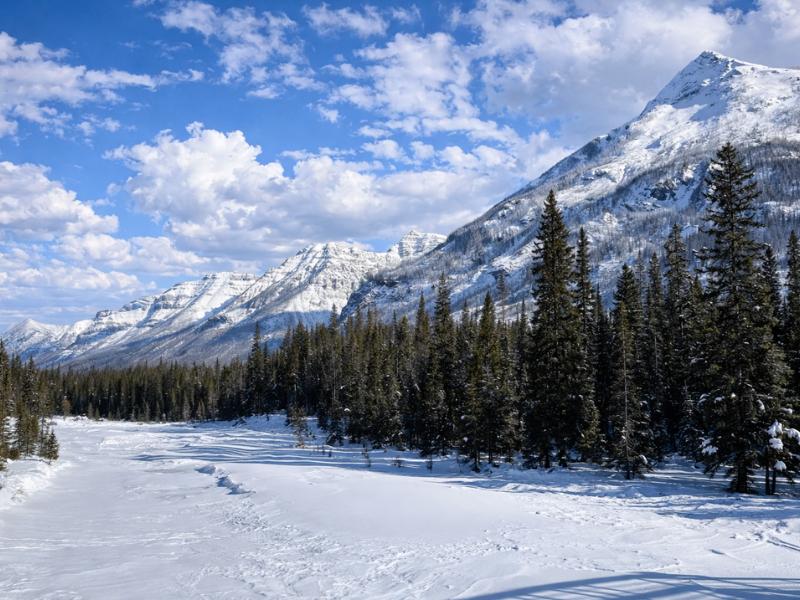
Ten days in Banff and the surrounding Canadian Rockies parks is not too much, it’s actually the minimum serious hikers and backcountry campers want. There are over 200 trails in Banff National Park alone, plus Yoho, Kootenay, Kananaskis, and Jasper within reasonable driving distance.
Experienced Banff visitors on TripAdvisor forums often say the ideal would be “at least ten days in Banff and a week in Jasper.” That sounds extreme until you’re actually there. The park is 6,641 square kilometres, roughly the size of Delaware, and 96% of it is wilderness. You could hike every day for two weeks and still have trails you haven’t touched.
Ten days opens up multi-day backcountry routes that are impossible on shorter trips. The Skoki Lodge route out of Lake Louise is a classic, taking you well away from the day-trip crowds into proper alpine terrain. The Rockwall Trail in Kootenay National Park runs 55km through some of the most dramatic scenery in the Rockies. These require advance permit applications, proper gear, and time, none of which fit in a five-day trip.
Even without going into the backcountry, ten days lets you revisit places in different light, different weather, and different moods. Morning mist at Moraine Lake on day two is a completely different experience from the bluebird afternoon you had on day one. You start to understand why so many people who come here once end up coming back every few years.
Ten days is also the time horizon where you can realistically add both Yoho and Kootenay National Parks to your itinerary without cramming them in. Those two parks share borders with Banff and are World Heritage Site territory, visiting either one feels like discovering a less famous painting by the same artist.
How Many Days Do You Need If You’re Adding Jasper?
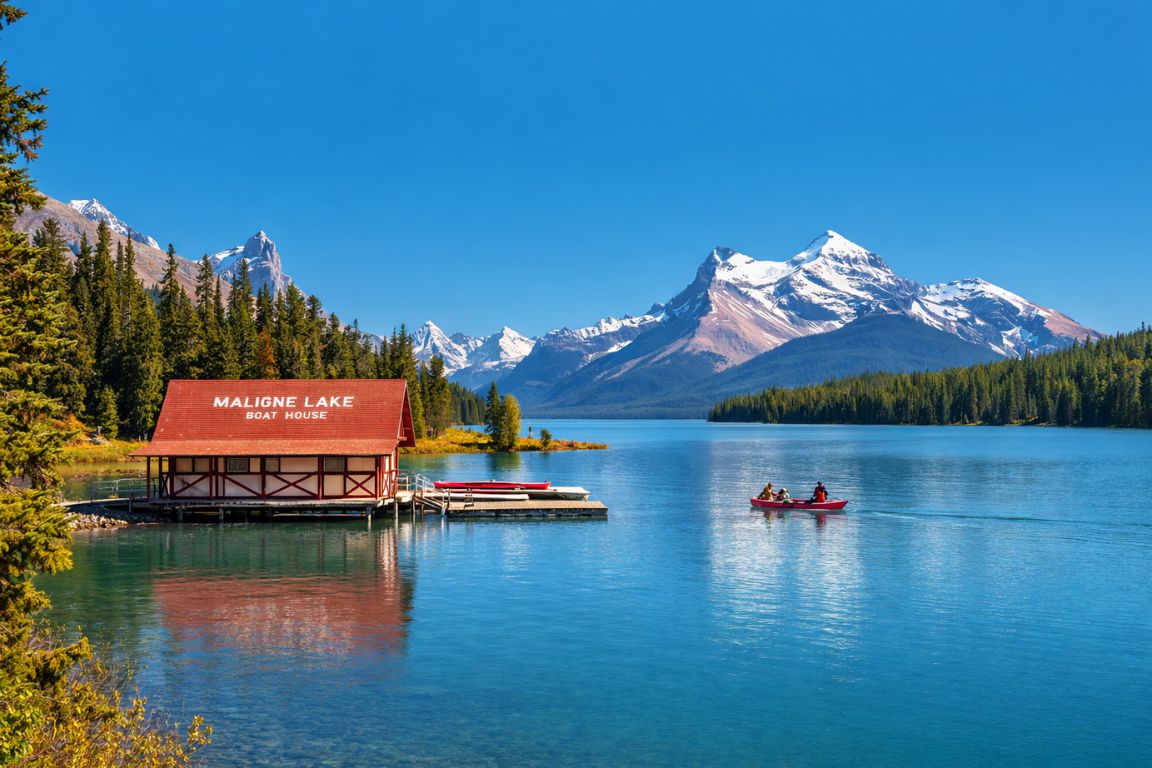 If you’re combining Banff and Jasper, budget a minimum of 7 days total: 3-4 days in Banff, 1 day on the Icefields Parkway, and 2-3 days in Jasper. Trying to cover both parks in under 7 days results in a rushed trip through both.
The distance between Banff town and Jasper town is 288km via the Icefields Parkway, about 3.5 hours of driving without stops. That’s not a day trip. Attempting to do both parks in 5 days or fewer means you end up spending two days just in transit and logistics, leaving almost no time to actually experience either place.
Jasper’s must-do list is its own project. Maligne Lake boat tours to Spirit Island run primarily in July and August and book out well in advance. The Jasper Gondola climbs to 2,263 metres at Whistlers Summit. Athabasca Falls, about 30km south of Jasper town, is the most powerful waterfall in the Canadian Rockies. Pyramid Lake and Patricia Lake are a five-minute drive from town and offer some of the best morning reflections in the entire park system.
If Jasper is on your list, and it should be, the minimum worthwhile allocation is two nights and two full days in the park. Three nights is better. That means your Banff-Jasper trip as a whole is really a 7-8 day commitment, not a five-day one.
| 7 days | 3-4 | 1 | 2 |
| 9 days | 4-5 | 1 | 3 |
| 11 days | 5-6 | 1-2 | 3-4 |
| 14 days | 6-7 | 2 | 4-5 |
A note on the Icefields Parkway: most itineraries treat it as a transit day, which undersells it completely. If your schedule allows, consider splitting the drive into two days and overnighting at either Rampart Creek Hostel or the Glacier View Lodge near the Columbia Icefield. That gives you sunset and sunrise light on the peaks and glaciers, and the road feels entirely different when you’re not rushing through it.
Doing both parks in one trip? Use the Banff–Jasper planning guide to decide how the Columbia Icefield fits your Parkway day; no Icefield ticket is verified in this shortlist.
We’ve broken down Banff vs Jasper National Park so you can figure out which suits your trip better – or whether you should make time for both.
How Many Days Do You Need In Banff If You’re Skiing?
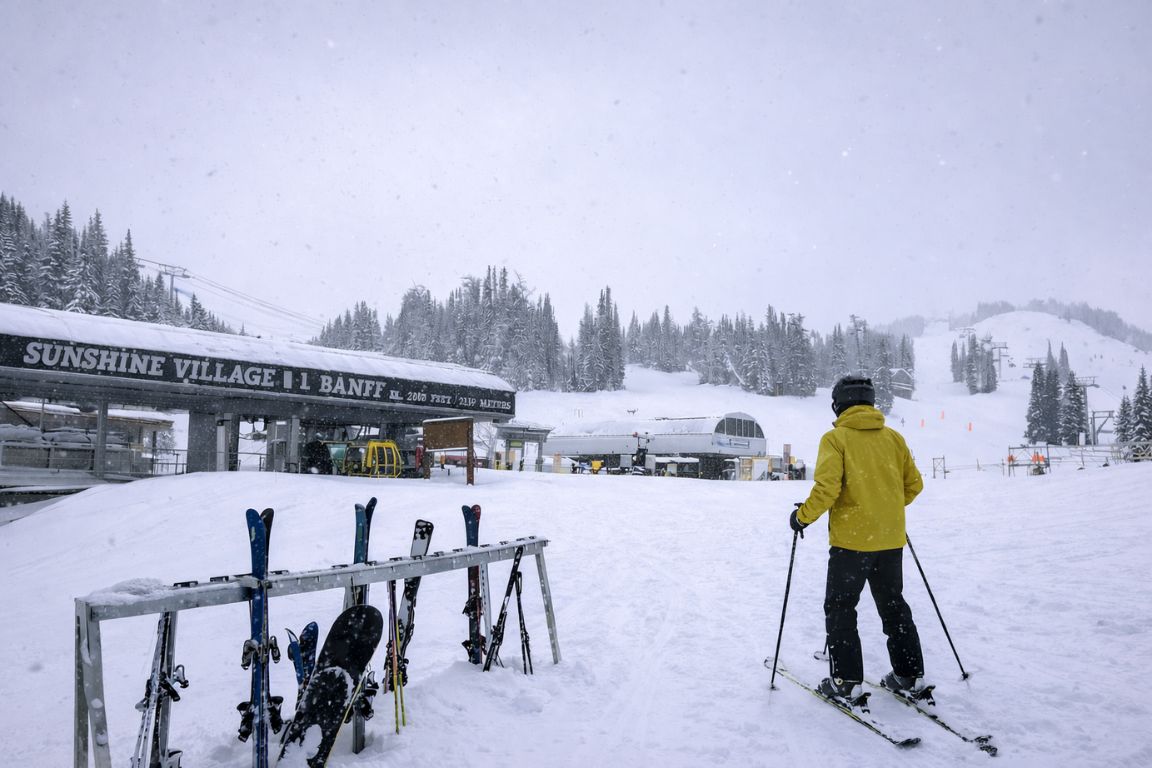 A ski trip to Banff works well at 4-5 days, which gives you time to ski all three SkiBig3 resorts, Banff Sunshine, Lake Louise, and Mt. Norquay, plus explore Banff town itself. Serious skiers who want to fully cover one or two resorts can do a shorter 3-day trip.
Banff’s three ski resorts are known collectively as SkiBig3 and together cover nearly 8,000 acres of skiable terrain. They’re all within Banff National Park, so your Parks Canada pass is on top of lift tickets. The ski season runs from early November through late May, with Banff Sunshine typically having the longest season of any non-glacial resort in Canada.
Each resort has its own character. Banff Sunshine Village sits on the Continental Divide at around 7,200 feet, gets the most snow on average, and has the most extensive terrain for strong intermediate and advanced skiers. Lake Louise Ski Resort is the largest at 4,200 acres with 164 named runs, offering the most variety and some seriously long groomers. Mt. Norquay is the closest to Banff town, just seven minutes up the road, makes for a convenient half-day and has the only night skiing in the area, but its terrain is limited compared to the other two.
The practical reality of skiing Banff is that each resort deserves its own day. You could technically ski all three in three days, but you’d be spending your evenings reorganizing gear, figuring out shuttles, and eating at the resort cafeteria instead of experiencing Banff town. Four days is a better rhythm: two days at your resort of choice, one day at a second resort, and one day for exploring Banff Avenue, the hot springs, and whatever non-ski activities interest you.
Ski trips also need buffer for powder days. When a big dump hits Sunshine or Lake Louise, you don’t want to be locked into an itinerary that pulls you away. Building in one flexible day, where you either ski again or do a snow-based activity like snowshoeing or Johnston Canyon’s winter ice walk, is worth it.
| Banff Sunshine Village | ~3,358 acres | Nov 2, 2025 – May 18, 2026 | ~15 min drive + gondola to base | Natural snow, advanced terrain, longest season |
| Lake Louise Ski Resort | 4,200 acres | Nov 4, 2025 – May 4, 2026 | ~45 min drive | Terrain variety, families, groomers, beginners through experts |
| Mt. Norquay | ~190 acres | Nov 8, 2025 – May 1, 2026 | ~7 min drive | Proximity, night skiing, beginners, budget day options |
The SkiBig3 multi-day lift ticket covers all three resorts and offers a discount versus single-day pricing. Ikon Pass holders get access to SkiBig3 as part of their pass. If you’re planning a ski trip specifically, February is generally considered the sweet spot, conditions are prime, powder cycles are frequent, and the après ski scene in Banff town hits its stride.
What Affects How Many Days You Actually Need In Banff?
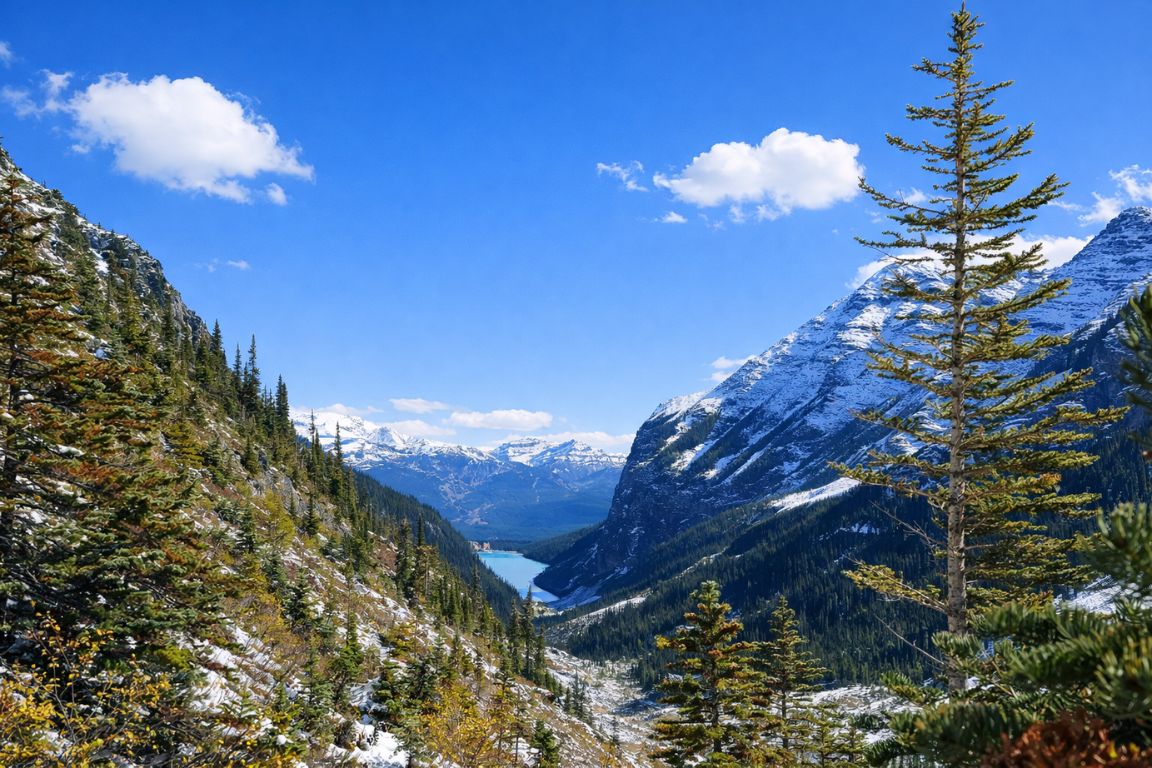 The main factors that change how many days you need in Banff are your travel pace, fitness level, whether you’re adding side parks like Jasper or Yoho, what time of year you visit, and how much you’re willing to front-load logistics like shuttle reservations and parking strategies.
Let’s go through each one honestly.
Travel pace. Some people can cover Moraine Lake and Lake Louise in half a day and feel satisfied. Others want to hike both the Rockpile at Moraine and the full Lake Agnes circuit, rent a canoe, and watch the sunset from the shoreline, that’s a full day just at those two lakes. Neither approach is wrong, but they require very different amounts of time. Knowing which type of traveler you are is actually the most important variable in calculating how many days you need.
Fitness and hiking ambition. If you want to do the Sentinel Pass hike out of Moraine Lake, 11.1km return with 749m of elevation gain, that’s most of a day. Same with the Plain of Six Glaciers at Lake Louise (14.6km return), or Parker Ridge on the Icefields Parkway. People who hike like this need more days, not because there’s more to see, but because each day covers less ground. The hikes in this park are genuinely spectacular and genuinely hard on some routes. Budget accordingly.
Season. Summer (late June through early September) compresses everything. Moraine Lake shuttle slots book out within minutes of opening day in mid-April. Lake Louise parking hits capacity before 8am on peak days. Every extra day you have in summer is a day you can afford to miss a sold-out shuttle and try again the next morning. In September, October, or May, logistics loosen up considerably and the same number of days accomplishes more.
Side parks. Yoho National Park is a 20-minute drive west of Lake Louise and absolutely worth a full day, Emerald Lake alone justifies the trip. Kananaskis Country is just east of Banff, requires no Parks Canada pass, and offers beautiful terrain with a fraction of the crowds. Kootenay National Park sits to the southwest. Each addition requires a day. If you want any of these, add time.
Calgary transit time. Banff is about 90 minutes from Calgary International Airport. If you’re flying in and out of Calgary, two half-days disappear to transit. That’s the equivalent of a full day of exploration. Factor it in, or plan to add an extra night on either end of your trip.
Weather days. Mountains have unpredictable weather. Mid-July can bring thunderstorms that close alpine trails by early afternoon. A single weather day that limits your hiking to valley-bottom activities isn’t a disaster, Banff’s lower elevation options are still beautiful, but it does mean you miss whatever you’d planned for the high route. One buffer day in any trip of five days or longer is a reasonable insurance policy.
| 1-2 days | 15-30% | More time at Moraine Lake; missed Lake Louise entirely |
| 3 days | 30-50% | Wished they had time for the Icefields Parkway |
| 4-5 days | 50-70% | Wished they’d added one more hiking day |
| 6-7 days | 65-85% | Wished they had extra time in Jasper |
| 8-10+ days | 80-95% | Already planning return trip |
Not sure where to start? Browse Banff tours that match a 3-, 5-, or 7-day trip, then check dates that fit.
Frequently Asked Questions
How many days is Banff worth visiting?
Banff is worth as many days as you can give it, the park doesn’t run out of things to do. For most first-time visitors, 4-5 days provides a genuine, unhurried experience of the main highlights. Three days covers the headline spots but leaves little room for flexibility or deeper exploration.
Is 4 days enough for Banff?
Yes, four days is a solid base for a first visit. You can cover Banff town, Lake Louise, Moraine Lake, and the Icefields Parkway to the Columbia Icefield. You’ll miss Yoho and Jasper, and you won’t have time for longer hikes, but you’ll leave having seen the parts of Banff that end up in people’s photos for life.
Can you see Banff in 2 days?
You can see Banff’s major lowland attractions in two days, but you’ll miss the lake experience that most people come here for. Two days is better treated as an introduction or a stopover, enough to see the town, Bow Falls, and maybe one lake, rather than a complete visit. Budget for at least three days if you specifically want Moraine Lake and Lake Louise.
Is 7 days in Banff too much?
Not even close. Seven days is a genuinely good amount of time, it’s where you can properly explore both Banff and Jasper, drive the full Icefields Parkway, visit Yoho National Park, and still have a slower morning or two. Most people who spend a week in Banff are already planning when they can come back.
How many days do you need for just Lake Louise and Moraine Lake?
Budget one full day minimum for both lakes, arriving early for Moraine Lake on the first shuttle. For a less rushed experience, including a hike at each, plan for two days with Lake Louise as a base. The Lake Agnes Tea House trail alone takes most of a half-day.
What is the minimum number of days for Banff?
Two days gets you through the town and one lake. Three days adds the second lake and one canyon or gondola experience. Four days is where most travelers stop feeling rushed. If you’re flying internationally to reach Banff, doing fewer than three days is hard to justify given the travel involved.
Written by Avery Claire Thompson
Canadian tour guide since 2014 · Founder, Banff National Park Tours
Avery has guided over 8,600 travelers through Banff National Park and the Canadian Rockies since founding the agency.
Fit A Tour Into Your Itinerary
Compare a guided day with the independent options in this guide. Confirm your date and meeting point before booking.
Match These Options To Your Trip
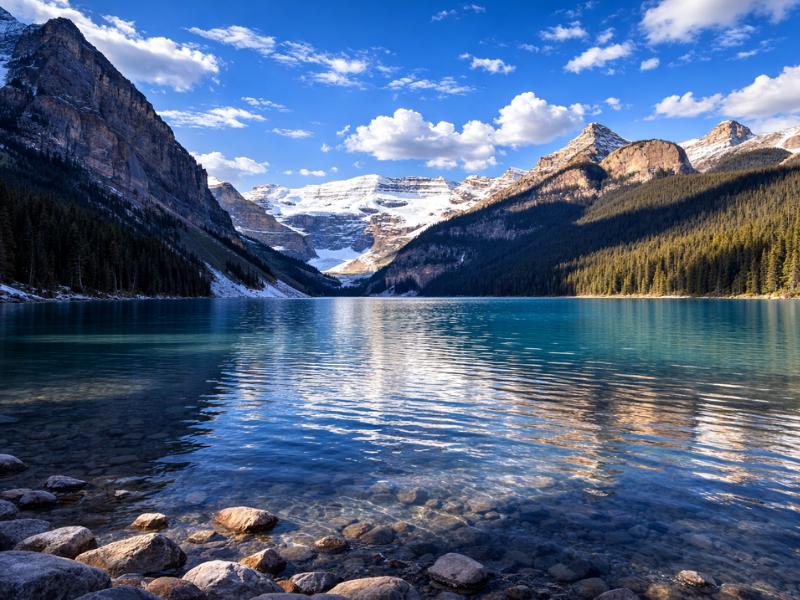 Our Starting Recommendation
Lake Louise And Moraine Lake Day Tour
Link the two lakes without organising separate transport.
8–10 hours · English
Pickup in Calgary, Canmore or Banff; confirm the selected meeting and end points.
Guide, transport and listed lake access. Meals and personal expenses extra.
No wheelchair access. Bring your own child seat for children under 7. Moraine Lake is seasonal.
Visit The Two Lakes ↗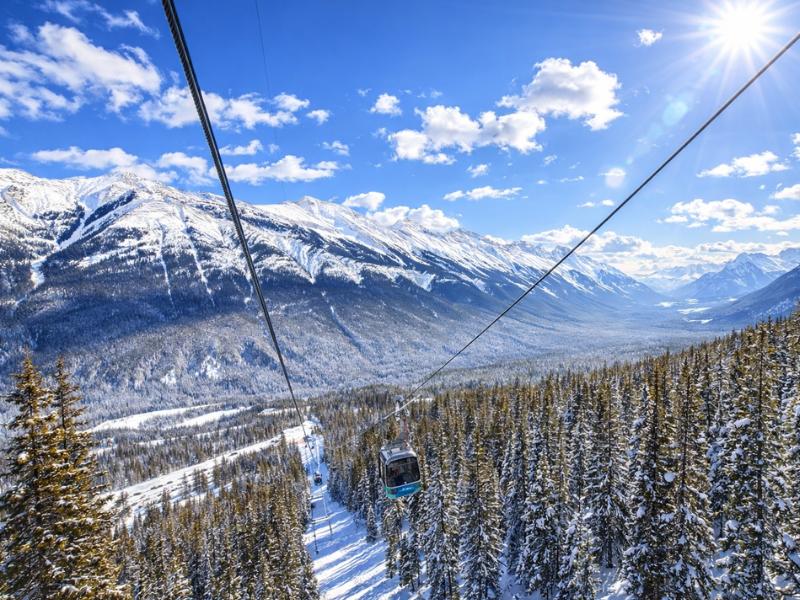 A Different Way To Spend The Day
Banff Gondola Summit Ticket
Reach Sulphur Mountain’s views without hiking the ascent.
Timed entry; ticket validity is 1 day · English
Make your own way to the Sulphur Mountain base.
Return gondola ride and summit interpretive facilities. Food, park admission and parking extra.
No strollers. Arrange accessibility requests with the operator at least 72 hours ahead. Confirm your return time.
Book The Summit Ride ↗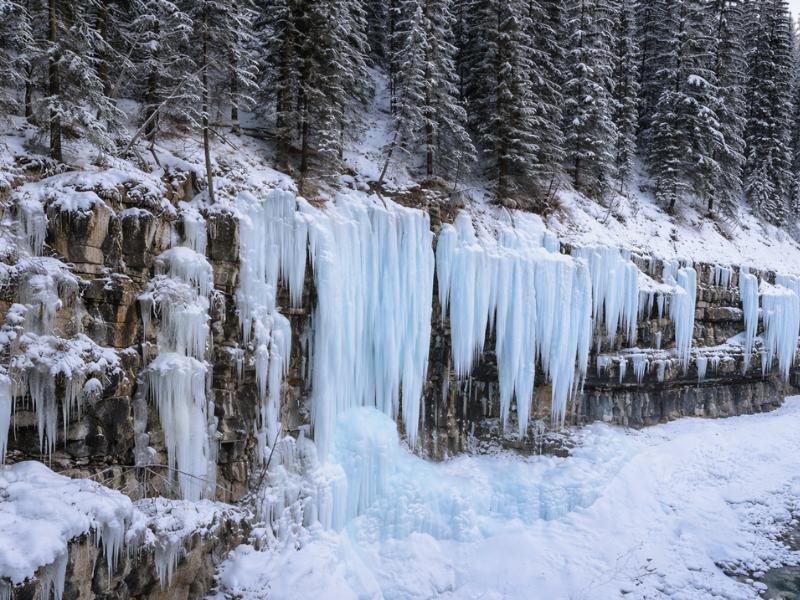 A Different Way To Spend The Day
Johnston Canyon Guided Icewalk
Walk to frozen waterfalls with a guide, ice cleats and poles provided.
4 hours · English
Banff pickup; confirm the listed morning or afternoon meeting time.
Guide, transport, ice cleats, poles, hot chocolate and cookie. Tips extra.
Ages 8+. A 5.4 km round trip with 135 m elevation gain. Moderate fitness and your own winter clothing needed.
Walk The Frozen Canyon ↗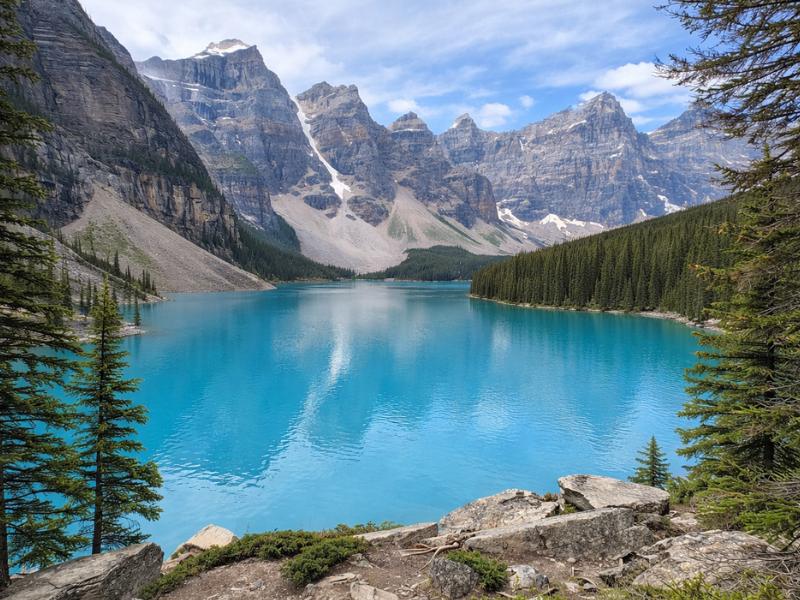 A Different Way To Spend The Day
Private Customisable Banff Day
Agree a sightseeing route around your group’s priorities.
8–11 hours · English
Request pickup or select a meeting point; returns to the meeting point.
Private vehicle, water and Parks Canada fees. Lunch and tips extra.
Moraine Lake access uses a shared shuttle. Not wheelchair accessible; moderate fitness listed. Confirm exact pickup and route.
Plan A Private Banff Day ↗No choices needed to use the recommendations above.
Work Out The Cost For Your Group
Enter complete quotes in CAD for the same people, date and itinerary. Include transport, parking, entry, food and any other extras on both sides. For shared versus private, enter the shared total first and private total second.
Use current quotes; no prices or savings are assumed.
Turn Your Plan Into A Day Out
Reserve the full-day anchor first and leave enough unbooked time for weather, rest, and independent walks.
Your Next StepLake Louise And Moraine Lake Day Tour
Link the two lakes without organising separate transport.
8–10 hours · English
Pickup in Calgary, Canmore or Banff; confirm the selected meeting and end points.
Guide, transport and listed lake access. Meals and personal expenses extra.
No wheelchair access. Bring your own child seat for children under 7. Moraine Lake is seasonal.
Visit The Two Lakes ↗Choose Your Date
Lake Louise And Moraine Lake Day Tour
Open the provider’s calendar to select your date, party and departure. Availability and prices are confirmed there.
Dates On GetYourGuide
Banff Gondola Summit Ticket
Choose a date and party to see current options. Confirm the meeting point and restrictions on the listing.
More Banff Sightseeing On Viator
Browse the site’s original Viator selection of Banff day tours, wildlife outings and lake excursions. These are additional ideas, not matches to the trip form. Check dates, duration, pickup and suitability on each listing.
Open The Recommended Outing ↗